





The Monsoon’s Gradual Goodbye
September in India is a month of transition, defined by the 'retreating' or 'withdrawing' monsoon. This isn't a sudden event where the rains just stop. Instead, it's a slow, staggered process that starts in the northwest and moves southeast over several
weeks. The India Meteorological Department (IMD) typically expects the withdrawal to begin from West Rajasthan around mid-September. This means that while Rajasthan and other parts of North India might start seeing clearer skies and drier days, the southern and eastern regions could still be experiencing significant rainfall. This gradual retreat is why you can't apply a one-size-fits-all weather forecast to India in September; the country’s vastness means one region can be post-monsoon while another is still in its grip.
The Post-Rainfall Paradise
The primary reward for travelling in September is the spectacular landscape. After months of rain, the country is draped in a vibrant green blanket. Hills and forests are at their most lush, waterfalls are full and powerful, and the air is often clean and fresh. This is particularly true in destinations known for their natural beauty, like the Western Ghats and the Himalayan foothills. Furthermore, September is a shoulder season, falling just before the peak tourist rush that begins in October. This often translates into fewer crowds at popular sites, more availability in hotels, and potentially lower prices, allowing for a more relaxed and immersive travel experience.
Destinations That Shine: The North
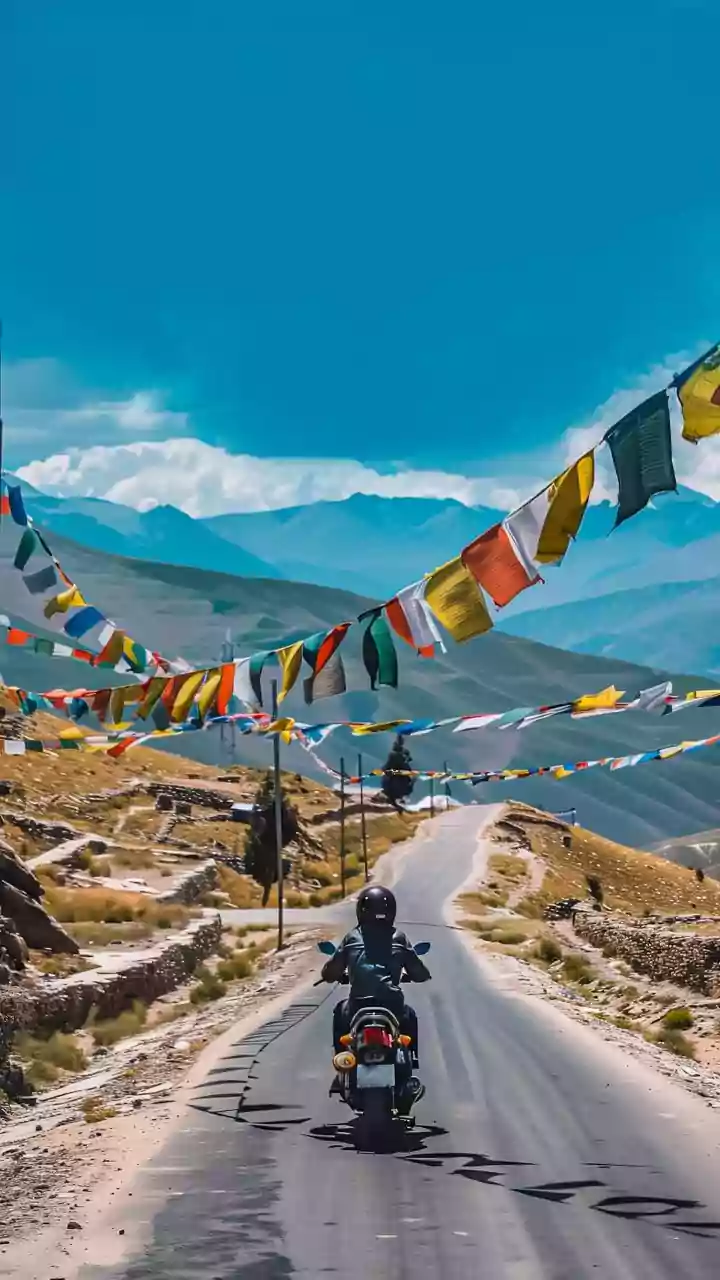
As the monsoon makes its earliest exit from the north, states like Rajasthan become prime for exploration. Cities like Jaipur, Udaipur, and Jodhpur, often scorching in summer, begin to cool down, making sightseeing at their magnificent forts and palaces more pleasant. In the Himalayas, the situation is more nuanced. While the heaviest rains have passed, some caution is still needed. However, places in Himachal Pradesh like Shimla and Dharamshala start to welcome visitors again with stunning, clear mountain views post-rain. For the truly adventurous, September can be an ideal time for high-altitude destinations like Ladakh and Spiti Valley, which are in a rain shadow area and offer dry, rugged landscapes.
Emerald Escapes: The South and West
In the south, the monsoon lingers longer, but this isn't necessarily a drawback. Kerala, the famed 'God's Own Country', is breathtaking in September. The backwaters in Alleppey are full, and the tea plantations of Munnar are intensely green. You may encounter short rain showers, but they often add to the region's romantic, misty charm. Similarly, in the west, the hills of Maharashtra, including Lonavala and Mahabaleshwar, are spectacular post-monsoon. Coorg in Karnataka, known as the 'Scotland of India', is another destination that thrives in September, with its coffee plantations and hillsides looking verdant and rejuvenated.
Travel Smart: What to Watch For
Despite the beauty, September travel requires caution. The withdrawing monsoon can still be unpredictable, with intermittent heavy showers possible almost anywhere. In mountainous regions, the risk of landslides and blocked roads remains a serious concern, even as the rain subsides. It's crucial to check local weather advisories and road conditions before and during your trip, especially if you're heading to the Himalayas. In the south and on the east coast, the retreating monsoon period (from September to December) can also be prone to tropical cyclones forming in the Bay of Bengal, which can bring intense rain and wind. Packing layers, waterproof gear, and having a flexible itinerary are key to a successful September journey.