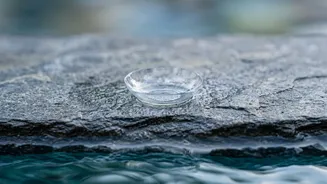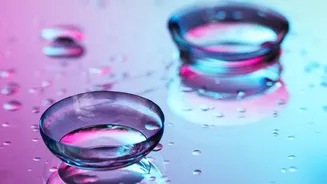



For millions, contact lenses are a part of daily life. But a common habit—exposing them to water—poses a serious, often underestimated risk. Understanding why water and contacts don't mix is the first step to safeguarding your vision.
The Hidden Dangers Lurking in Water
It may seem harmless
to rinse a lens with tap water or hop in the shower wearing them, but all water is a potential threat. Unlike sterile, specially formulated contact lens solution, water is not germ-free. Tap water, well water, lake water, and even chlorinated swimming pools can harbor a dangerous, microscopic organism called Acanthamoeba. This amoeba is a primary cause of Acanthamoeba keratitis, a rare but severe and painful infection of the cornea that can lead to permanent vision loss or even blindness. The porous material of soft contact lenses can absorb this and other microorganisms, trapping them directly against your eye and creating an ideal environment for infection.
Showering, Swimming, and Hot Tubs
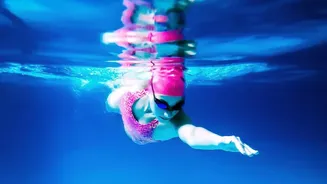
Health authorities like the CDC are clear: contact lenses should be removed before any activity that involves water. This includes showering, swimming, and using a hot tub. When exposed to water, a soft contact lens can change shape, swell, and stick to the surface of your eye. This not only causes discomfort but can also lead to tiny scratches on your cornea, known as corneal abrasions. These small injuries create an easy entry point for bacteria and other pathogens. Chlorine in pools doesn't eliminate all risk; it can't reliably kill Acanthamoeba and can also strip your eye's natural tear film, causing irritation. Hot tubs are particularly risky as the warm water can encourage microbial growth.
Acanthamoeba Keratitis: A Serious Threat
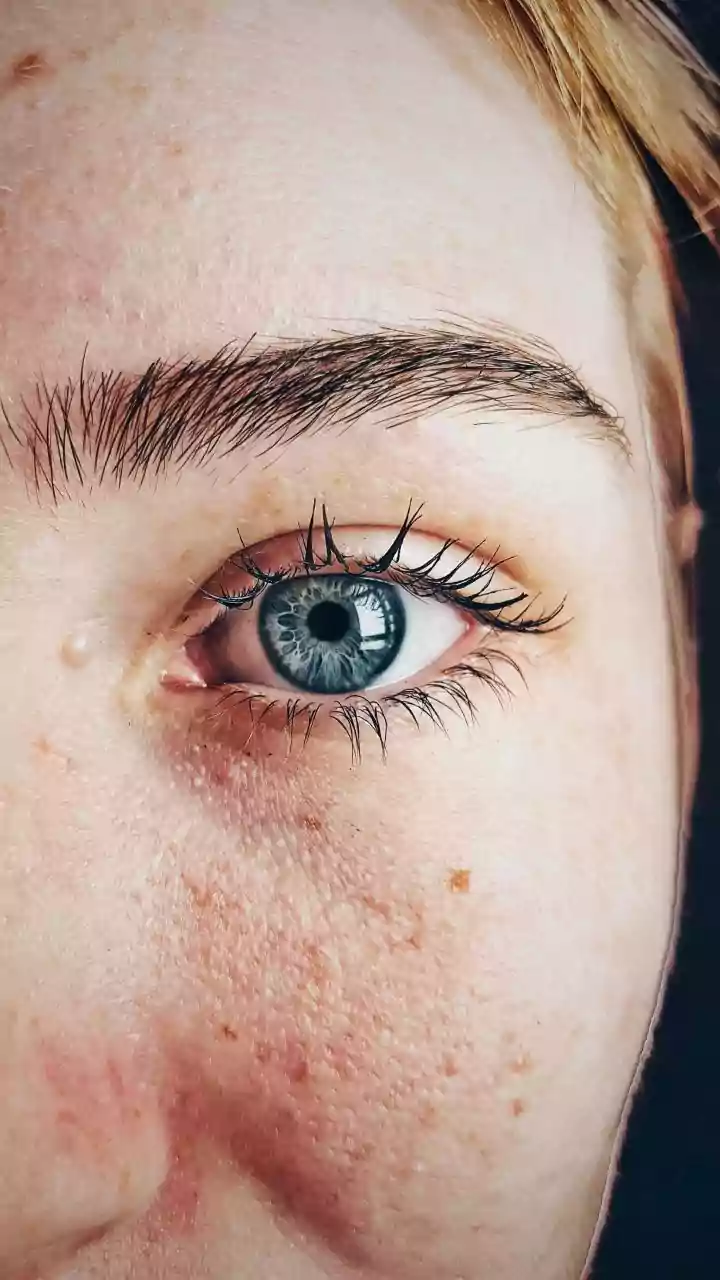
While rare, Acanthamoeba keratitis (AK) is one of the most serious risks for contact lens wearers, who account for the vast majority of cases. The infection is notoriously difficult to diagnose and treat, often requiring a year or more of intensive medical care. Symptoms can include severe eye pain, redness, blurred vision, excessive tearing, and a persistent feeling that something is in your eye. Because the amoeba can invade deep into the corneal tissue, the damage can be devastating. If you experience any of these symptoms, especially after your lenses have been exposed to water, you should remove your lenses immediately and contact your eye doctor.
Why Proper Lens Solution Is Not Negotiable
Contact lens solution is much more than just a storage liquid; it's a medical product designed to clean, rinse, and disinfect your lenses. Unlike water, multipurpose and hydrogen peroxide-based solutions are formulated to kill harmful germs, remove protein buildup, and keep lenses properly hydrated and comfortable to wear. Using tap water, saline solution, or rewetting drops as a substitute for proper disinfecting solution is ineffective and dangerous. Saline, for instance, is only for rinsing; it does not disinfect. Never 'top off' old solution in your case with new liquid, as this dilutes its disinfecting power and can lead to contamination. Always use fresh solution every single time you store your lenses.
Best Practices for Safe Contact Lens Care
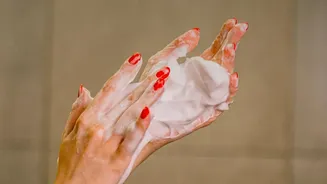
Protecting your eyes is about building consistent, healthy habits. Always wash your hands thoroughly with soap and dry them with a clean cloth before handling your lenses. Use the 'rub and rinse' method, even if your solution is marketed as 'no_rub'. Gently rub the lens in your palm with a few drops of fresh solution to physically remove debris and deposits before rinsing and storing. Your lens case also needs care. It should be rinsed with fresh solution (never water), wiped dry with a clean tissue, and stored upside down with the caps off to air dry after each use. Be sure to replace your lens case at least every three months to prevent germ buildup.