





A Classic Snack Reimagined
The tikki, or cutlet, is a beloved staple across India. Traditionally made with potatoes, peas, or lentils and shallow-fried to golden perfection, it’s a comforting and reliable snack. But a new variation is gaining attention, one that swaps the usual
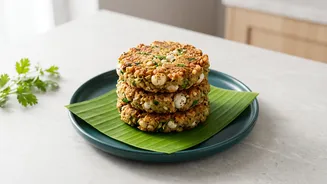
starchy base for two unlikely partners: earthy, protein-rich sprouts and light, airy makhana (fox nuts). This isn't just a simple ingredient swap; it's a fundamental change in the snack's DNA. The result is a tikki that is lighter, packed with more nutrients, and boasts a unique crispness, especially when cooked in an air fryer. This modern take preserves the spiced, savoury soul of a classic tikki while introducing a completely new mouthfeel.
The Unlikely Heroes: Sprouts and Makhana
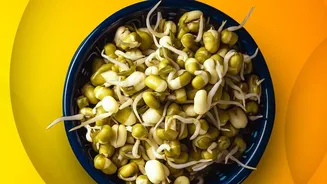
On their own, sprouts and makhana are nutritional powerhouses. Sprouts, such as moong beans, are celebrated for being rich in protein, fibre, and essential vitamins. The process of sprouting increases the availability of these nutrients and makes them easier to digest. Makhana, also known as fox nuts or popped lotus seeds, are low in calories and fat but high in protein, magnesium, and potassium. Traditionally, makhana is enjoyed roasted as a crunchy snack or added to rich curries and creamy kheer. They have a neutral flavour that allows them to absorb spices beautifully. Combining the firm, earthy bite of sprouts with the light, puffy nature of makhana creates a base that is both substantial and surprisingly delicate.
The Magic of Texture
The true genius of the sprouts-makhana tikki lies in its texture. The secret is in how the makhana is used. Instead of being left whole, the fox nuts are often coarsely ground into a flour-like powder. When mixed with mashed sprouts and spices, this makhana powder acts as a unique binding agent. Unlike heavy potato or breadcrumbs, which can make tikkis dense, ground makhana creates a lighter, almost crumbly interior. When air-fried, the outside of the tikki forms a distinctively crisp shell, while the inside remains soft but not mushy. This creates a delightful contrast—a crispy exterior gives way to a tender, flavourful centre, a texture that is hard to achieve with traditional recipes.
The Air-Frying Advantage
While these tikkis can be shallow-fried, using an air fryer elevates them to another level. Air-frying works by circulating hot air at high speed, cooking the food and creating a crisp finish with minimal oil. For the sprouts-makhana tikki, this method is ideal. It enhances the natural crispness from the makhana binder, ensuring the patties become golden-brown and crunchy without absorbing excess fat. This not only makes the snack significantly healthier but also prevents the tikkis from becoming soggy, a common issue with deep-fried snacks. The result is a guilt-free treat that delivers all the satisfaction of a fried snack, with a superior crunch that lasts longer.
Crafting the Perfect Tikki
Making these tikkis is straightforward. The process typically involves grinding roasted makhana, then combining the powder with boiled or steamed sprouts, finely chopped onions, ginger, green chillies, and fresh coriander. Aromatic Indian spices are key to giving the tikkis their signature flavour. A blend of chaat masala for tanginess, roasted cumin powder for earthiness, and amchur (dry mango powder) for a sour kick is essential. Once the mixture is formed into flat patties, they just need a light spray of oil before being placed in a preheated air fryer. Cooked in a single layer to ensure even crisping, they emerge ready to be served hot with mint chutney or a cooling yogurt dip.