




A New Wave of Mars Innovation
On July 8, 2026, NASA awarded seven contracts to advance the technology needed for future robotic explorers on Mars. The initiative, called Science Transport and Robotic Innovation for Deployment and Exploration (STRIDE), aims to develop novel systems
that can access scientifically rich areas that are currently out of reach for rovers like Perseverance and Curiosity. With a total potential value of around $17 million, these are not blockbuster deals to build a specific mission. Instead, they are designed to seed the market with fresh ideas and foster a new commercial ecosystem for planetary exploration. Work is expected to begin in the fall of 2026.
Meet the Companies Driving the Change
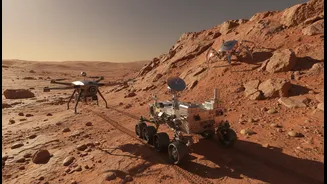
The seven selected companies represent a mix of established aerospace players and innovative robotics firms. The list includes AeroVironment, Astrobotic, Venturi Astrolab, Ground Control Robotics, Honeybee Robotics, Intuitive Machines, and MEI Technologies. This diverse group has been tasked with creating concepts and early-stage prototypes for both surface and aerial vehicles. By spreading the investment across multiple partners, NASA is encouraging a wide range of approaches to solve some of the Red Planet's toughest mobility challenges. This strategy invites participation from companies that may have terrestrial robotics expertise with potential applications for space.
The Challenge of Difficult Terrain
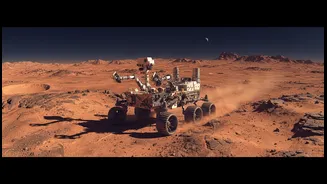
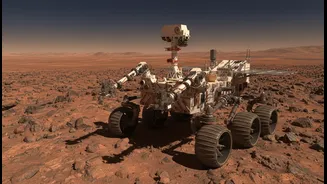
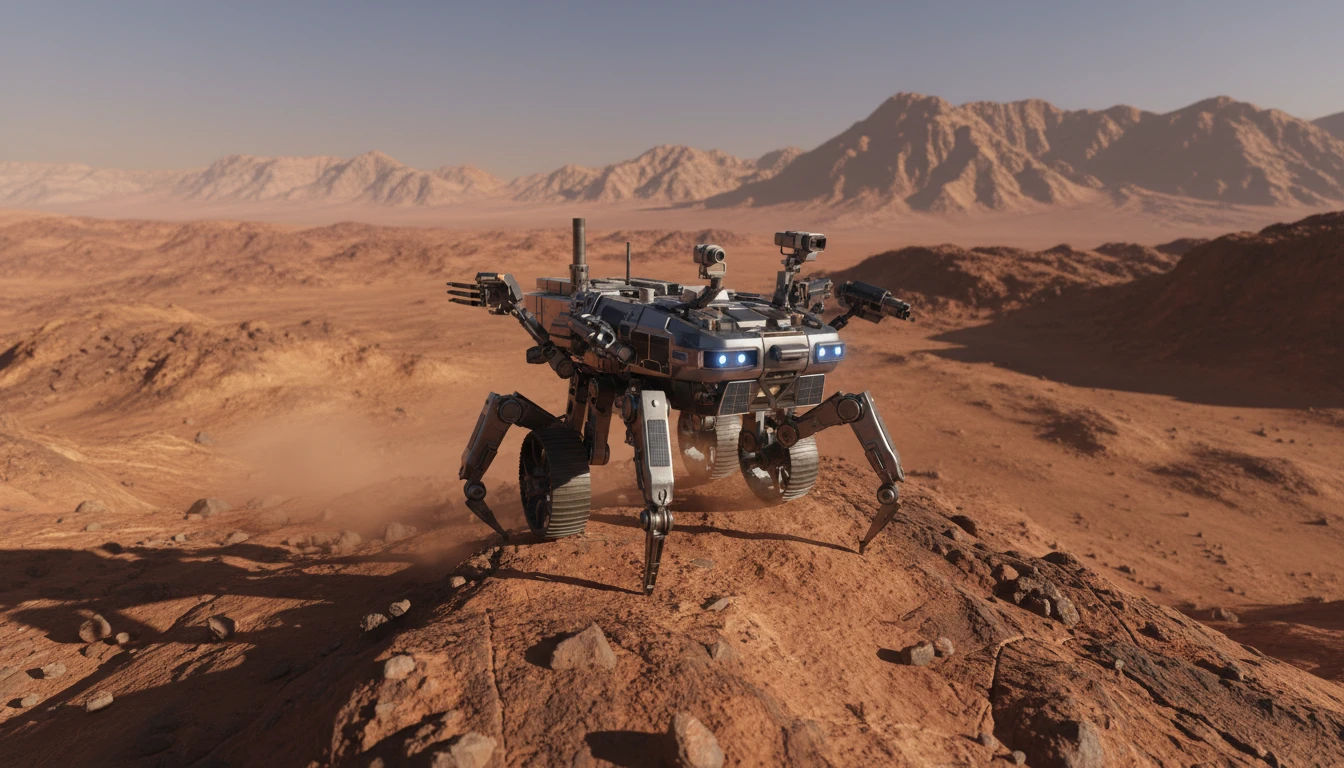
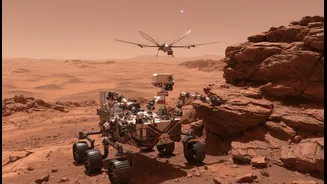
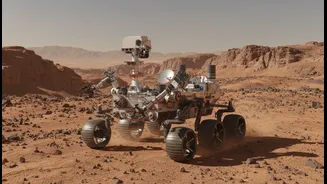
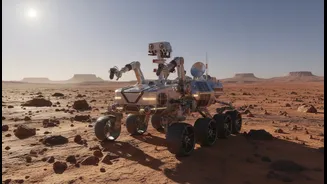
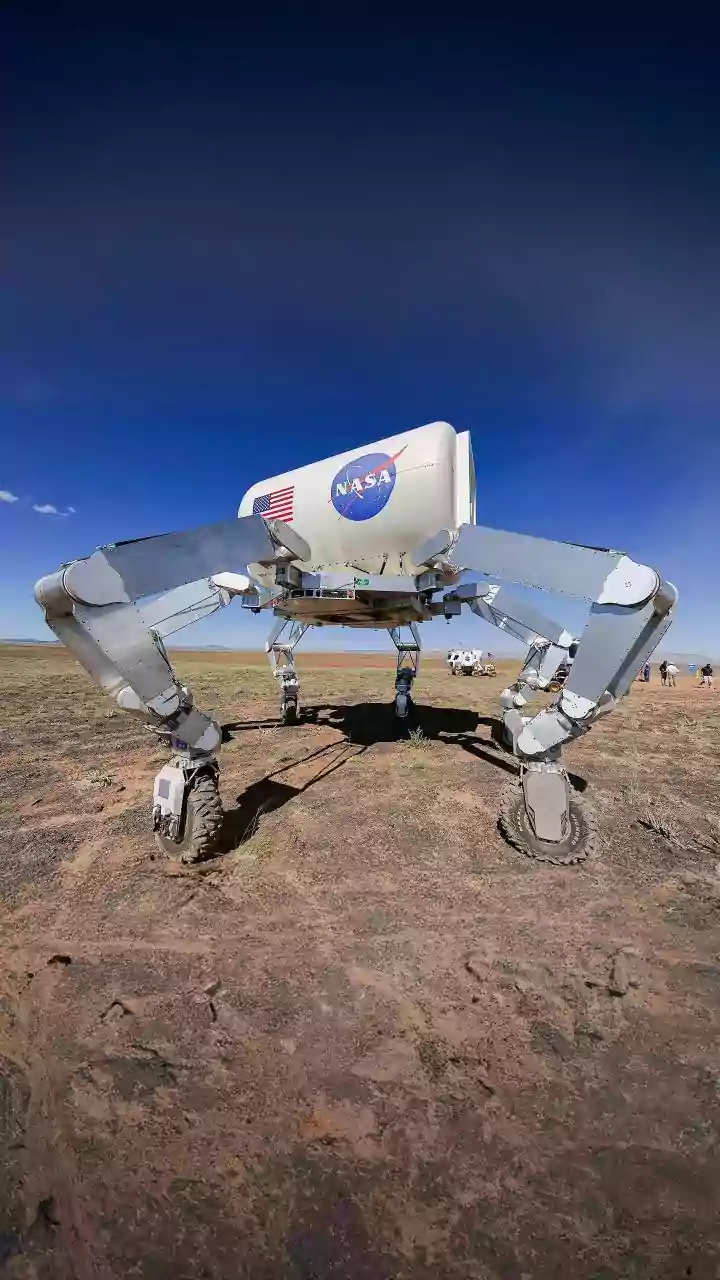
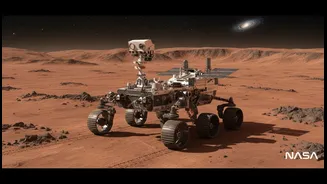
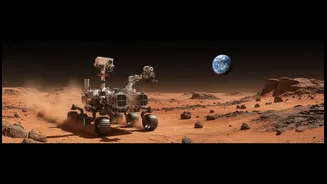
Mars is not a smooth, flat landscape. Its most scientifically intriguing regions—such as steep crater walls, deep canyons, and rocky fields—remain largely inaccessible. Current rovers, while incredibly successful, are limited in where they can safely travel. Previous generations of rovers struggled with challenges like soft sand and power-inhibiting dust storms. The STRIDE initiative is a direct response to these limitations. It seeks to spur the development of technologies like advanced drones, legged robots, or specialized rovers that can navigate extreme slopes and rugged ground, potentially unlocking new discoveries about the planet's history and potential for past life.
Why 'Development Contracts' Is a Key Phrase
The headline's reminder that these are "development contracts" is the most crucial part of the story. These are not agreements to build a flight-ready rover that will launch anytime soon. Rather, they are essentially research and development grants. NASA is paying these companies to conduct design studies and prove their concepts can work. This model is about a public-private partnership where NASA identifies key needs and the commercial sector competes to offer the most promising solutions. It's a lower-risk, higher-reward strategy for the agency. It avoids locking into one massive, expensive design and instead cultivates a portfolio of innovative options for the future.
A Proven Strategy for a New Frontier
This approach isn't entirely new for NASA. The agency has seen great success with similar commercial partnership models, most notably the Commercial Lunar Payload Services (CLPS) program, which is helping to deliver science and technology to the Moon's surface. By applying this lesson to Mars, NASA is signaling a strategic shift. Instead of relying solely on a few large, traditional contractors for every aspect of a mission, the agency is fostering a broader industrial base. This not only accelerates innovation but also helps build a sustainable space economy where more companies have the experience to contribute to ambitious goals, like eventual human missions to Mars.