





Your New Digital Spice Box
Imagine having a culinary assistant that has memorised thousands of regional Indian recipes, understands the complex chemistry of spices, and knows what ingredients are sitting in your fridge. That, in essence, is the promise of culinary AI. Using generative
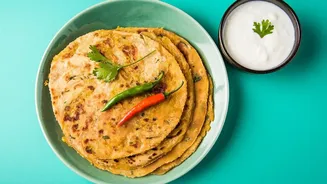
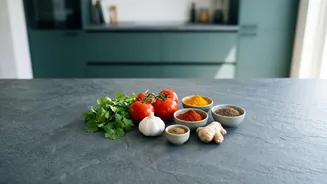
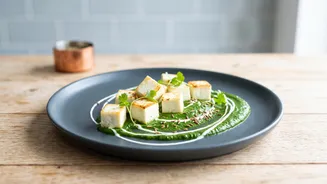
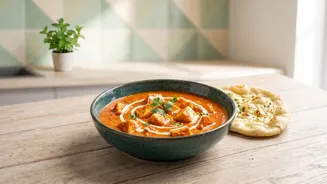
AI, the same technology behind popular chatbots, developers are creating platforms specifically trained on vast databases of Indian cuisine. These tools aren't just simple search engines; they can generate entirely new recipes, suggest creative ingredient pairings, and adapt dishes to specific dietary needs, like making a recipe vegan, spicier, or quicker to prepare. Platforms like CookMithra and RecipeGen allow users to input the ingredients they have on hand and receive a personalised Indian recipe instantly, complete with cooking instructions and even an AI-generated photo of the final dish.
From Tradition to Tech-Fusion
The most exciting application of this technology lies in its ability to spark innovation. By analysing data from thousands of cooking sessions, AI can identify emerging trends and generate novel fusion dishes that a human chef might not imagine. The results are both surprising and intriguing: think of Spiced Tandoori Croissants, where French pastry meets Indian grilling techniques, or a Gulab Jamun Cheesecake that marries a classic sweet with a Western dessert. Other AI-generated concepts include Paneer Tikka Tacos, Curry Leaf Pesto Pasta, and even Saffron-infused Sushi, each blending familiar Indian flavours with global culinary formats. It’s not about replacing authentic dishes but about asking, “What if?” and using technology to explore the answers in a delicious, new way.
The Chef and The Algorithm
Despite the futuristic feel, the goal isn't for robots to take over the kitchen. Instead, AI is positioning itself as a powerful collaborator. Celebrity chef Kunal Kapur notes that AI is becoming a useful tool for chefs, helping them articulate concepts and find new avenues for creativity. Many of the laborious parts of cooking, like fine-tuning spice blends or adapting a recipe for different dietary needs, can be outsourced to an algorithm, freeing up the chef to focus on the artistic aspects of cooking. In this partnership, the AI provides the data-driven inspiration—the unexpected flavour pairing or a new way to use a leftover ingredient—while the human chef provides the essential touch of intuition, technique, and taste. AI can suggest a recipe for a low-oil curry, but the chef's expertise is still needed to perfect the final product.
A Smarter, More Sustainable Kitchen
Beyond generating creative recipes, AI is also making Indian kitchens more efficient and sustainable. AI-powered smart appliances, from refrigerators to cooking assistants, are becoming more common in urban homes. These devices can track ingredients to reduce food waste, suggest meals based on what's about to expire, and automate cooking processes like chopping, sautéing, and stirring. Companies like Healthify are using generative AI to offer personalised nutrition advice based on meal photos, and even partnering with services like Swiggy to help users order healthy, AI-recommended meals. For a country with such a rich and diverse culinary heritage, these tools offer a way to preserve tradition while adapting to the demands of modern, fast-paced life.