





Beyond the Metros
For decades, Indian cricket was dominated by talent emerging from major urban centres like Mumbai, Delhi, and Bangalore. But a dramatic shift has occurred. Today, a significant number of national players hail from smaller, semi-urban, and rural regions.
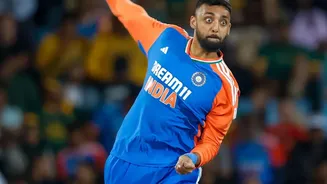
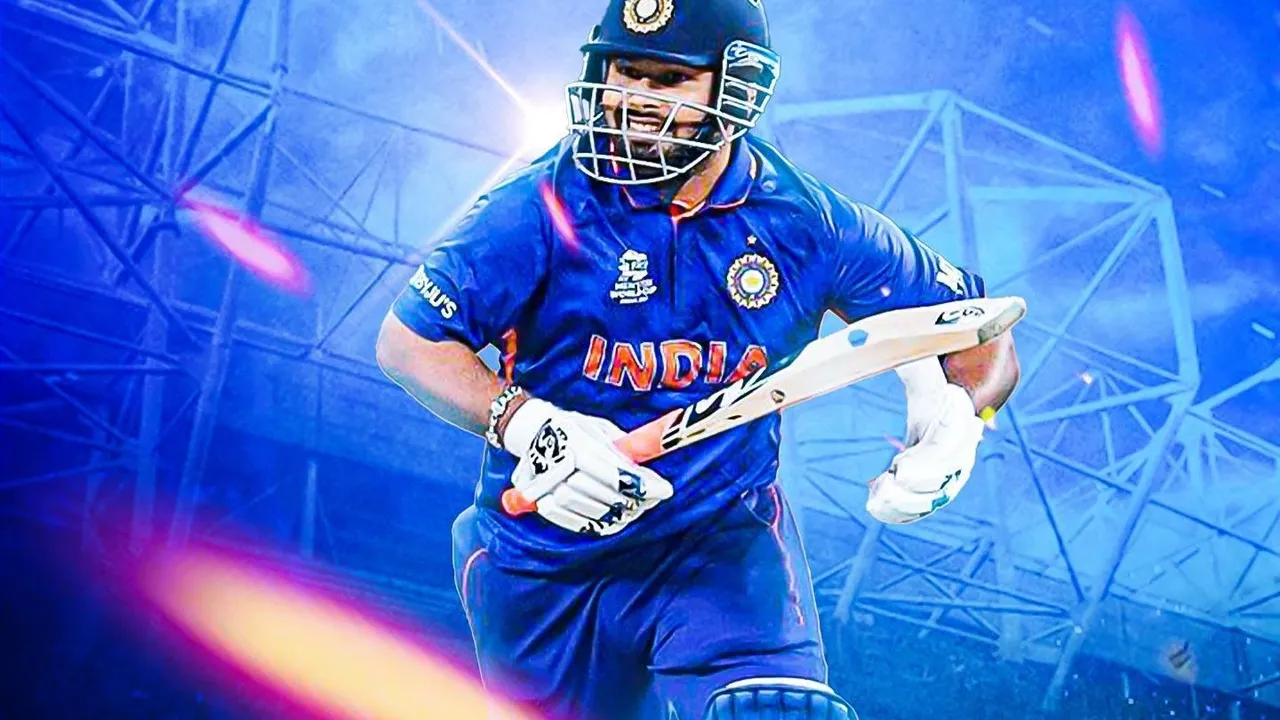
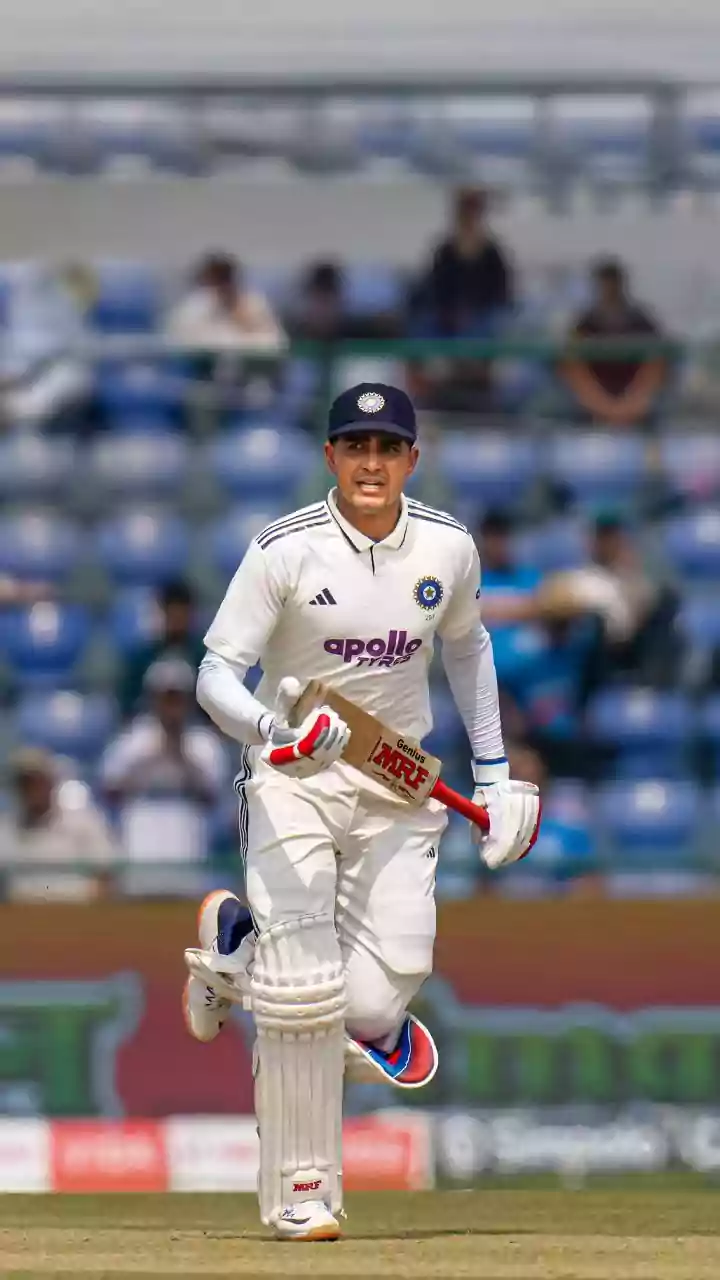
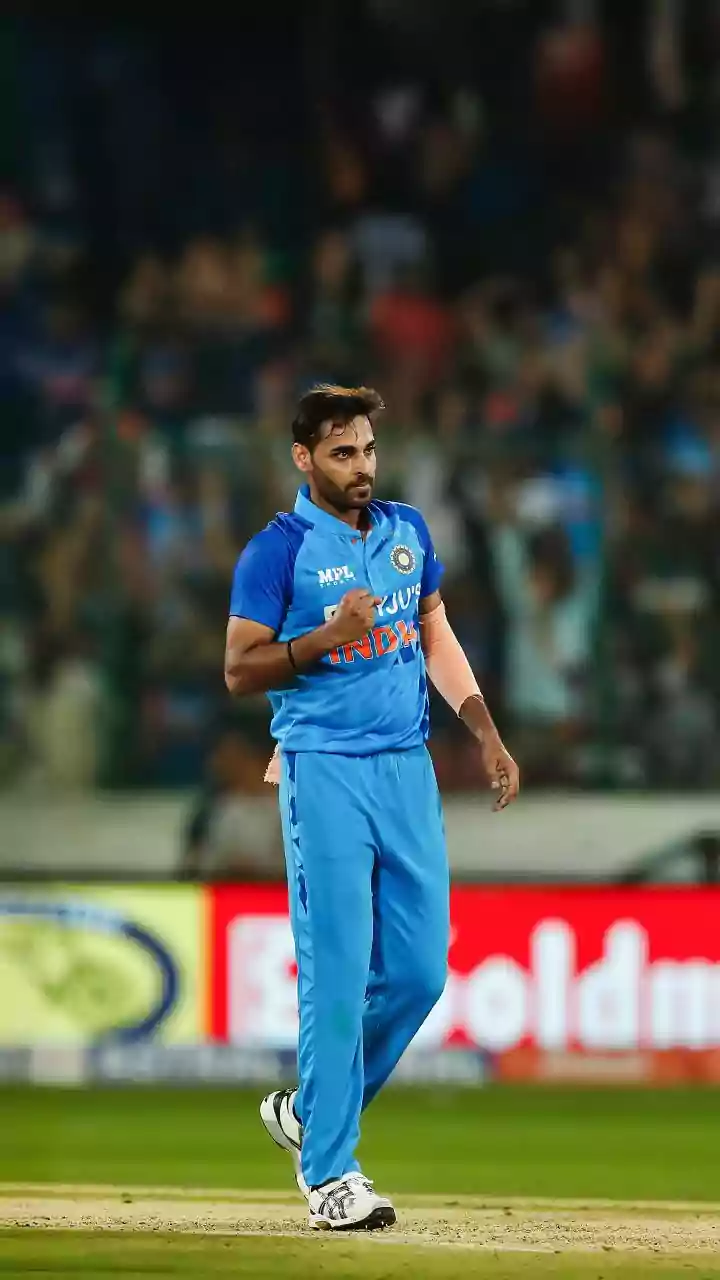
Players like Hardik Pandya, Rishabh Pant, and Shubman Gill are products of this change, rising from humble backgrounds to global stardom. This geographical diversification isn't an accident. It is the result of a sprawling, multi-layered system that operates largely outside the glare of mainstream media, ensuring that talent, no matter how remote, gets a chance to shine. The rise of smaller towns as breeding grounds has deepened India's talent pool, a key factor in its global dominance.
The Unsung Heroes: Local Coaches
At the heart of this network are the local coaches—the unsung heroes who are often the first to spot a special spark. These are the figures who work tirelessly at modest local clubs and academies, without fancy equipment or media attention. They are mentors like the late Tarak Sinha, who ran the Sonnet Cricket Club in Delhi and shaped the careers of stars like Rishabh Pant and Shikhar Dhawan, or Ramakant Achrekar, who famously groomed Sachin Tendulkar. These coaches do more than just teach technique; they instill discipline, build temperament, and often go to extraordinary lengths, like driving players across cities to matches, to ensure their pupils get the necessary exposure. Their work forms the foundational layer of talent identification in the country.
The Rise of the Academy Ecosystem
Complementing the work of individual coaches is a booming ecosystem of private cricket academies. While the BCCI's National Cricket Academy (NCA) in Bengaluru remains the pinnacle for elite and junior players, hundreds of other academies have sprung up across the country. Academies founded by legendary players like Virender Sehwag, MS Dhoni, and Madan Lal are specifically aimed at bringing world-class facilities and structured coaching to tier-2 and tier-3 cities. These institutions provide a crucial bridge for aspiring cricketers, offering everything from year-round training and video analysis to nutrition plans and, most importantly, a pathway to district and state-level selections. They have become vital hubs in the modern talent pipeline.
The Professional Scouts and the IPL Effect
The Indian Premier League (IPL) has professionalized scouting in an unprecedented way. Each franchise operates a year-round, data-driven talent scouting laboratory. Teams employ networks of 10 to 30 scouts who travel across the country, monitoring everything from domestic tournaments to local league games. They don't just look for raw talent; they assess a player's temperament, background, and cultural fit for the team. This intense scouting system means that by the time a player makes a spectacular IPL debut, they are already a known quantity to every franchise. The IPL provides a massive platform, exposing young players from small towns to high-pressure situations and world-class opponents, preparing them for the rigours of international cricket.
Technology and New-Age Platforms
The scouting network is also being supercharged by technology. Initiatives like the Spin and Swing Cricket Academy are using AI-powered performance analytics and dedicated mobile apps to identify and nurture rural talent. This allows for real-time tracking and video analysis, bridging the gap between raw talent and expert mentorship. Other platforms like Real Cricket Talent (RCT) and leagues like the Gramin Premier League are creating structured opportunities for players in remote areas to get noticed, using online registrations and organised trials to discover hidden gems. These tech-driven approaches are making the scouting process more democratic and accessible than ever before.