





From Hype to Habit: The Q-Commerce Takeover
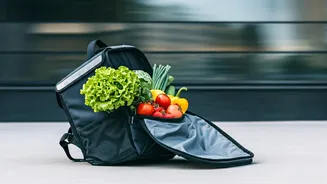
Just a few years ago, the idea of getting your weekly groceries delivered in the time it takes to watch a YouTube video seemed like a far-fetched luxury. Today, it’s an urban reality. Platforms like Zomato’s Blinkit, Swiggy’s Instamart, and the standalone
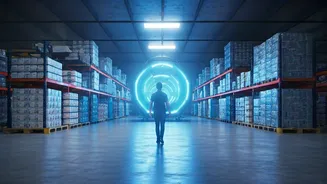
player Zepto have transformed consumer expectations. [4] This rapid adoption was fueled by a perfect storm of factors: increasing urbanisation, widespread smartphone use, and a pandemic that accelerated the shift to online everything. [2, 4] These companies built vast networks of 'dark stores'—small, hyperlocal warehouses—to make ultra-fast delivery possible, cementing quick commerce as a mainstream retail channel. [10] As of 2026, the Indian quick commerce market has surged to over $5.9 billion. [6]
The New Frontiers: Beyond the Metros
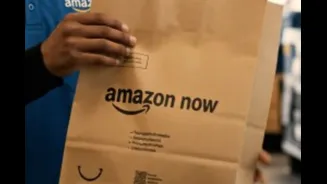
The next chapter of growth is unfolding beyond the traditional boundaries of Delhi, Mumbai, and Bengaluru. Players are aggressively pushing into Tier-2 and Tier-3 cities, where a rising appetite for convenience presents a massive, untapped market. [8] Swiggy Instamart, for instance, has expanded its services to over 100 cities, noting that one in every four of its new users now comes from these smaller markets. [23] Flipkart Minutes has seen a staggering 42x growth in Tier 2 and 3 markets over the past year. [21] Even Amazon is making a huge push, recently announcing plans to scale its Amazon Now service to over 300 cities nationwide. [25, 28] This geographic expansion is a clear signal that quick commerce is no longer just a big-city phenomenon. [11]
More Than Just Groceries
The expansion isn't just geographical; it's also categorical. While groceries still dominate, making up around 46% of the market, the real growth story is in diversification. [6, 18] Platforms are rapidly adding higher-margin products to their virtual shelves. Need a phone charger, a new lipstick, or even a small home appliance? Quick commerce is now the answer. [7, 18] Categories like consumer electronics, beauty and cosmetics, apparel, and personal care now account for a significant portion of sales. [14, 18] Blinkit’s average order value has steadily increased as it has expanded its product selection to include items like pet care and toys. [16] This move into non-grocery items is crucial for boosting profitability and turning platforms into a one-stop shop for immediate needs. [18]
The Billion-Dollar Question: Profitability
For years, the industry was plagued by doubts about its long-term viability due to high operational costs and thin margins. [3] The model is expensive, requiring heavy investment in a dense network of dark stores, delivery personnel, and technology. [9, 10] However, the narrative is shifting. Blinkit, under Zomato's parent company Eternal Ltd., achieved a significant milestone by reporting its first adjusted EBITDA profit in late 2025/early 2026, proving that a path to profitability exists at scale. [24, 25] The focus for all major players—including Zepto, which is eyeing an IPO—has moved from high-growth-at-all-costs to disciplined expansion and achieving positive unit economics. [17, 30] They are doing this by increasing order density, optimizing supply chains, and expanding into those lucrative high-margin categories. [19]
Competition and Challenges Ahead
Despite the positive momentum, the road ahead is not without obstacles. Competition is fiercer than ever, with market leader Blinkit controlling a large share, but facing intense pressure from a well-funded Zepto and a strategically expanding Swiggy Instamart. [26, 29] The recent, aggressive expansion of giants like Amazon and Flipkart into the space adds another layer of complexity. [21, 28] Logistical challenges, managing supply chains, and retaining customers who often switch platforms based on the best deals remain constant hurdles. [2, 9] Furthermore, ensuring product quality and safety at breakneck delivery speeds is a persistent operational challenge that can have significant reputational consequences. [9] The future will likely see a transition from blitzscaling to a more disciplined phase, where efficiency and customer loyalty, not just speed, will determine the winners. [12]