





Purity: What ‘Karat’ Really Means
The term 'karat' (K) measures the purity of gold on a scale of 24. 24K gold is the purest form you can buy, containing 99.9% gold with no other metals mixed in. Because of this, it is often referred to as pure gold. In contrast, 22K gold consists of 22 parts
gold and two parts other metals, making it approximately 91.67% pure gold. The remaining 8.33% is a mix of alloys like copper, silver, or zinc, which are added to enhance its properties. This fundamental difference in purity is the starting point for all other distinctions between the two.
Durability: The Strength to Last
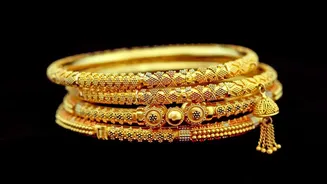
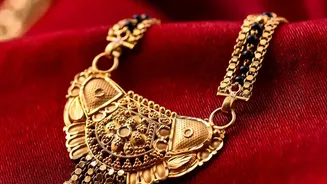
The biggest practical difference for jewellery buyers is durability. 24K gold is extremely soft and malleable, making it prone to scratching, bending, and deforming with daily use. This is why it's generally unsuitable for intricate or everyday jewellery, as it cannot securely hold gemstones and can easily lose its shape. 22K gold, on the other hand, is significantly harder and more durable because of the added alloy metals. This strength makes it the preferred choice for most Indian jewellery, including bangles, necklaces, and earrings, as it can withstand regular wear and tear while retaining its intricate designs.
Colour and Appearance
Purity also affects the metal's colour. 24K gold has a distinct, bright, and rich yellow hue that is unmistakable. This vibrant colour is a direct result of its high purity. 22K gold also has a rich yellow tone, but it is slightly less intense than 24K gold. The presence of alloy metals like copper can give it a slightly warmer or different shade, but for most, the difference is subtle. The choice between the two often comes down to a personal preference for that deep, pure golden glow versus a slightly less saturated colour.
Cost and Investment Value
Naturally, the price of gold is directly tied to its purity. Since 24K gold contains more pure gold per gram, it is more expensive than 22K gold. The price of 22K gold is typically calculated as a percentage (around 91.6%) of the prevailing 24K gold rate, before adding making charges and taxes. For investment purposes like coins and bars, 24K is the standard due to its higher intrinsic value. However, 22K gold jewellery is also considered a good investment, as it offers a practical balance of high purity and usability, making it a form of 'wearable wealth' with strong resale value.
Which One Should You Choose?
The right choice depends entirely on your purpose. For pure investment in the form of gold bars or coins, 24K is the undisputed winner. Its value is solely based on its purity and weight. For jewellery, especially pieces intended for frequent or daily wear, 22K is the more practical and popular option in India. It provides the perfect blend of high purity and the necessary strength to create durable, long-lasting ornaments. While some simple, thick 24K pieces can be made, they are generally reserved for special occasions due to their softness.
Checking for Authenticity: The BIS Hallmark
Regardless of your choice, always look for the Bureau of Indian Standards (BIS) hallmark to ensure authenticity. For 22K gold, the mark will include '22K916', signifying 91.6% purity. A complete hallmark in India now consists of three marks: the BIS logo, the purity grade (e.g., 22K916), and a six-digit alphanumeric Hallmark Unique Identification (HUID) code. This allows you to verify the item's details and ensures you are getting the purity you paid for.