






A Breeding Ground for Deadly Diseases
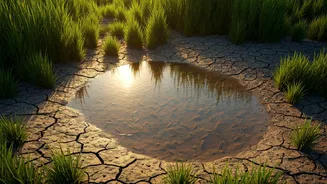
The most immediate and well-known danger of standing water in India is its role as a five-star hotel for mosquitoes. It’s the perfect environment for female mosquitoes to lay their eggs. Within just 7 to 10 days, these eggs hatch into larvae, then pupae,
and finally emerge as adult mosquitoes ready to bite. This isn't just an annoyance; it’s a public health crisis. These mosquitoes can be vectors for debilitating and sometimes fatal diseases, including dengue, chikungunya, malaria, and Zika virus. A small, forgotten bucket of water or a clogged drain can produce hundreds of mosquitoes, putting your entire family and neighbourhood at risk. Health authorities constantly warn that preventing water stagnation is the single most effective way to combat these seasonal outbreaks.
The Silent Damage to Your Property
Beyond health risks, stagnant water is a slow-motion disaster for your home. When water pools near the foundation of your building, it can seep into the concrete and soil. Over time, this weakens the structural integrity of your home, leading to cracks in the foundation and walls. On terraces and balconies, constant water accumulation can penetrate waterproofing layers, causing leakages, damp patches, and the peeling of paint on the ceilings and walls below. Furthermore, this persistent dampness is the ideal condition for mould and mildew to grow. Not only is mould unsightly and difficult to remove, but its spores can also trigger allergies, asthma attacks, and other respiratory problems, creating an unhealthy indoor environment.
A Magnet for Other Unwanted Pests
Mosquitoes are not the only pests that are drawn to stagnant water. These damp, undisturbed areas are also attractive to rodents like rats and mice, as well as cockroaches. These pests seek out water sources and can establish nests nearby, leading to a full-blown infestation in and around your home. Rodents and cockroaches carry their own set of diseases and can contaminate food and surfaces, posing an additional layer of health risks. By allowing water to collect, you are essentially rolling out the welcome mat for a variety of pests that are difficult and expensive to get rid of.
The Risk of Contamination and Foul Odours
Stagnant water doesn't stay clean for long. It quickly becomes a foul-smelling soup of algae, bacteria, and decaying organic matter like leaves and insects. This not only creates an unpleasant smell that can permeate your home and garden but also poses a contamination risk. In urban areas, standing water can easily mix with sewage from overflowing drains or chemical runoff from nearby roads. Children and pets playing nearby can come into direct contact with these contaminated pools, leading to skin infections, gastrointestinal illnesses, and other serious health problems. If the water seeps into the ground, it can also contaminate local groundwater sources.
The Hidden Electrical Danger
In many parts of India, especially in densely packed urban areas, waterlogging presents a lethal and often overlooked hazard: electrocution. When water accumulates, it can submerge exposed electrical wires, faulty underground cables, or junction boxes that are not properly sealed. Water is an excellent conductor of electricity, and stepping into a puddle that has been electrified can be instantly fatal. This danger is particularly high during and after heavy rains when streets are flooded. It’s a stark reminder that the dangers of standing water are not always visible, and exercising extreme caution around any deep puddle, especially near electrical poles or installations, is critical.