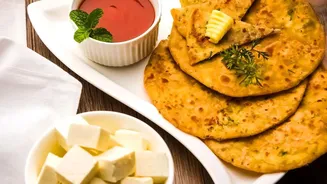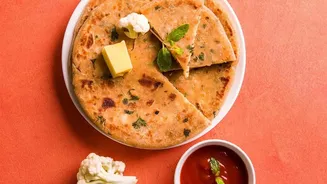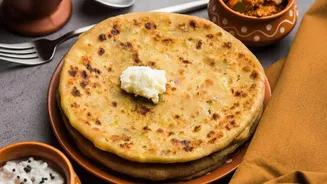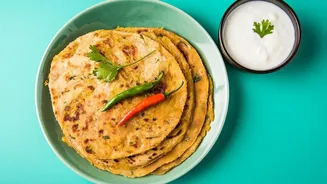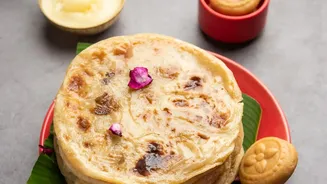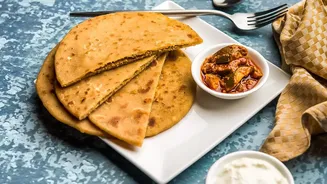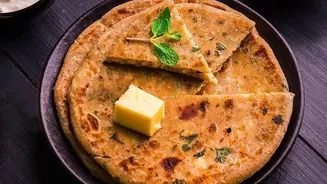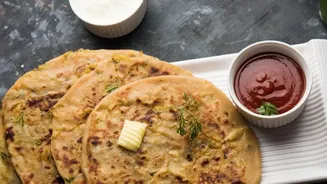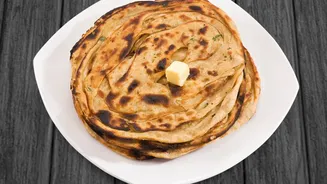


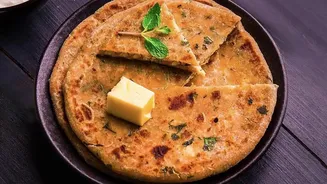
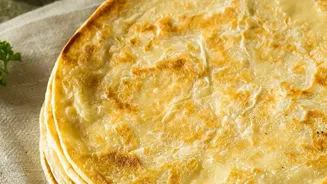
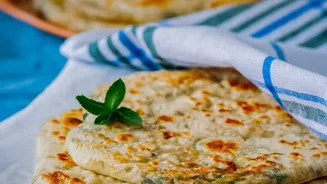
Looking for a wholesome twist on a classic flatbread? This simple paratha recipe brings together the earthy goodness of jowar flour and the sharp, peppery flavour of grated radish (mooli) for a truly satisfying and nutritious meal.
A Perfect Pairing of Health and Taste
The combination of jowar
(sorghum) and radish is a match made in culinary heaven, especially during the winter months when radishes are at their peak. Jowar, an ancient millet, offers a fantastic gluten-free alternative to wheat, bringing a host of health benefits and a mild, slightly sweet flavour. Radish, or mooli, adds a pungent and refreshing kick that cuts through the earthiness of the jowar, creating a balanced and flavourful paratha that is both light and filling. This pairing is not just delicious but also packs a powerful nutritional punch, making it an ideal choice for a healthy breakfast, lunch, or a light dinner.
The Nutritional Power of Jowar Flour
Jowar is a nutritional powerhouse that deserves a place in every modern kitchen. Being naturally gluten-free, it's an excellent option for those with celiac disease or gluten sensitivity. It is incredibly rich in dietary fibre, which aids digestion, promotes a feeling of fullness to help with weight management, and helps regulate blood sugar levels, making it beneficial for diabetics. Jowar is also a great source of essential nutrients like iron, magnesium, and antioxidants, which support everything from heart health by helping to lower bad cholesterol to boosting overall energy levels. Its complex carbohydrates provide a sustained release of energy, keeping you active throughout the day.
The Humble Radish's Many Benefits
Often overlooked, the humble white radish is packed with goodness. It has a high water content, making it hydrating, and is very low in calories. Radishes are an excellent source of Vitamin C, a powerful antioxidant that boosts the immune system and protects cells from damage. They are also rich in fibre, which supports a healthy digestive system and can help prevent constipation. Traditionally, mooli is known to be a natural detoxifier, helping to purify the blood and support liver function. Its sharp taste comes from compounds that can stimulate digestive enzymes, further enhancing its benefits for gut health.
Ingredients for Jowar Mooli Paratha
This recipe makes approximately 6-8 parathas. For the Dough: - 1.5 cups Jowar (Sorghum) Flour - 1 cup grated Radish (Mooli) - 1.5 cups hot water (approximately) - 2 tablespoons chopped Coriander Leaves - 1 Green Chilli, finely chopped (optional) - 1 teaspoon Carom Seeds (Ajwain) - 1/2 teaspoon Turmeric Powder - Salt to taste - Ghee or oil for cooking
Step-by-Step Preparation Guide
1. Prepare the Radish: Place the grated radish in a bowl and sprinkle with a little salt. Let it sit for 10-15 minutes. This will cause the radish to release its water. Squeeze out all the excess water firmly with your hands and set the radish aside. 2. Make the Dough: In a large mixing bowl, combine the jowar flour, the squeezed grated radish, chopped coriander leaves, green chilli, carom seeds, turmeric powder, and salt. 3. Knead with Hot Water: Slowly add hot water to the mixture. Using hot water is key to making a soft, pliable jowar dough as it has no gluten. Mix with a spoon initially, and once it's cool enough to handle, knead it well with your hands for 3-4 minutes until you form a smooth, soft dough. 4. Roll the Parathas: Divide the dough into equal-sized balls. Dust a clean surface or a piece of parchment paper with jowar flour. Take one ball and gently pat it or roll it out into a circle of about 4-5 inches in diameter. Jowar dough can be fragile, so rolling between two sheets of parchment paper can prevent it from breaking. 5. Cook the Parathas: Heat a tawa (griddle) over medium heat. Place the rolled paratha on the hot tawa. Cook for about a minute, then flip. Apply a little ghee or oil and cook the other side, pressing down gently with a spatula until golden-brown spots appear. Flip again, apply ghee, and cook until both sides are done.
Tips for Perfect, Soft Parathas
Making rotis with gluten-free flour like jowar can be tricky, but these tips will help. The dough should be soft and kneaded while still warm for the best results. If your dough feels too dry and is cracking at the edges, add a teaspoon of warm water and knead again. Don't roll the parathas too thin, as they might break. A slightly thicker paratha will hold together better and have a softer texture. Serve these delicious parathas hot off the tawa with a side of plain yogurt, pickle, or a simple vegetable curry for a complete and wholesome meal.