




Sabudana Khichdi
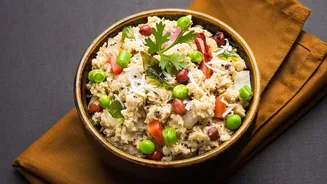
A quintessential fasting dish, Sabudana Khichdi is a flavourful and filling option to start your day. Made from soaked tapioca pearls (sabudana), it's a light yet satisfying meal that provides a good amount of energy. The preparation involves sautéing
the soaked pearls with cumin seeds, green chillies, and often boiled potatoes and roasted peanuts for an added crunch and protein boost. It’s crucial to use sendha namak (rock salt) instead of regular table salt to adhere to fasting rules. The key to a perfect, non-sticky khichdi lies in soaking the sabudana for the right amount of time, ensuring each pearl is soft but distinct. This dish is not only easy to digest but also keeps you full for a longer period, making it an ideal breakfast during vrat.
Kuttu Ki Puri with Vrat Ke Aloo
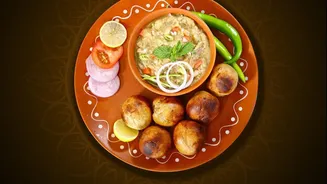
Another popular choice during fasting seasons like Navratri is Kuttu Ki Puri served with a simple potato curry. Kuttu ka atta, or buckwheat flour, is gluten-free and a permissible flour during most Hindu fasts. The puris are made by kneading buckwheat flour, often with mashed boiled potatoes which act as a binding agent, into a firm dough. These puris are then deep-fried until they are crisp and puffed up. They pair perfectly with Vrat Ke Aloo, a light potato curry made without onions or garlic. The curry is typically flavoured with tomatoes, green chillies, cumin seeds, and sendha namak, creating a comforting and wholesome meal. This combination is hearty enough to feel like a treat while still respecting the dietary restrictions of the fast.
Singhare Ke Atte Ka Halwa
For those who prefer a sweet start to their day, Singhare Ke Atte Ka Halwa is an excellent choice. This dessert-like breakfast is made from singhare ka atta, or water chestnut flour, which is another common ingredient in vrat recipes. The preparation is simple: the flour is roasted in ghee until it becomes aromatic and light brown. Then, a mixture of water or milk and sugar is added, and the halwa is cooked until it thickens and the ghee starts to separate from the sides of the pan. Garnished with chopped nuts like almonds and pistachios, this halwa is not only delicious but also provides a quick source of energy. Its warm, sweet flavour and rich texture make it a comforting and indulgent breakfast for a special day of observance.
Vrat Ke Jeera Aloo
If you're looking for something quick, simple, and savoury, Vrat Ke Jeera Aloo is the perfect answer. This dish is incredibly easy to prepare and requires minimal ingredients. It consists of boiled potatoes, cubed and sautéed in ghee or oil with a generous amount of cumin seeds (jeera). The seasoning is kept simple with sendha namak, black pepper, and perhaps some chopped green chillies and fresh coriander for added flavour. Some variations also include tomatoes to create a light gravy. This dish can be enjoyed on its own or as a side with kuttu ki puri or rajgira paratha. It's a humble, no-fuss meal that is both nourishing and compliant with fasting traditions, providing the necessary carbohydrates to keep you energised.
Fruit Chaat with Nuts
Perhaps the simplest and healthiest breakfast option for a vrat day is a refreshing bowl of fruit chaat. All fruits are permitted during fasting, making this an easy and versatile choice. You can combine your favourite seasonal fruits like apples, bananas, pomegranates, and papayas. To make it more interesting and filling, you can add a sprinkle of sendha namak and a pinch of black pepper powder. For an extra dose of energy and healthy fats, toss in a handful of nuts like almonds, walnuts, and roasted fox nuts (makhana). A squeeze of lemon juice can brighten up the flavours. This breakfast is not only hydrating and packed with vitamins but also requires no cooking, making it an ideal choice for a quick and effortless morning meal during your fast.