




1. Explore the Living Bridges of Meghalaya
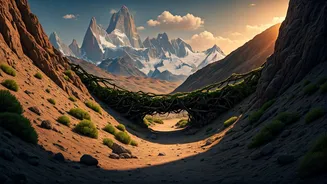
Forget manicured landmarks; in the northeastern state of Meghalaya, nature is the architect. Deep in the lush, rain-soaked hills, the Khasi people have for centuries guided the roots of rubber trees across rivers, weaving them into spectacular living
bridges that strengthen over time. Reaching them involves a challenging but rewarding trek down thousands of stone steps into dense jungle valleys near Cherrapunji. The experience is less about snapping a photo and more about immersing yourself in a world that feels pulled from a fantasy novel. You can swim in turquoise pools beneath the bridges and stay in a simple village homestay, swapping tourist chatter for the sounds of the forest and the quiet rhythms of Khasi life. This isn't just seeing a sight; it's stepping into a completely different way of seeing the world.
2. Find Otherworldly Silence in Spiti Valley
While many travelers flock to the green valleys of Himachal Pradesh, the real adventure lies further north, across the high mountain passes into Spiti. This is a high-altitude cold desert, a world of barren, dramatic landscapes, and jaw-dropping vistas that feel more like Tibet or the surface of Mars. The culture here is predominantly Tibetan Buddhist, and the silence is punctuated only by the flutter of prayer flags and the chanting of monks. You can visit ancient monasteries perched precariously on cliffs, like the famous Key Gompa, or hike to remote villages that have remained unchanged for centuries. A road trip through Spiti is a test of endurance, with rough roads and basic amenities, but the payoff is a profound sense of peace and a connection to a rugged, spiritual landscape that rewires your perspective.
3. Witness the White Desert of Gujarat
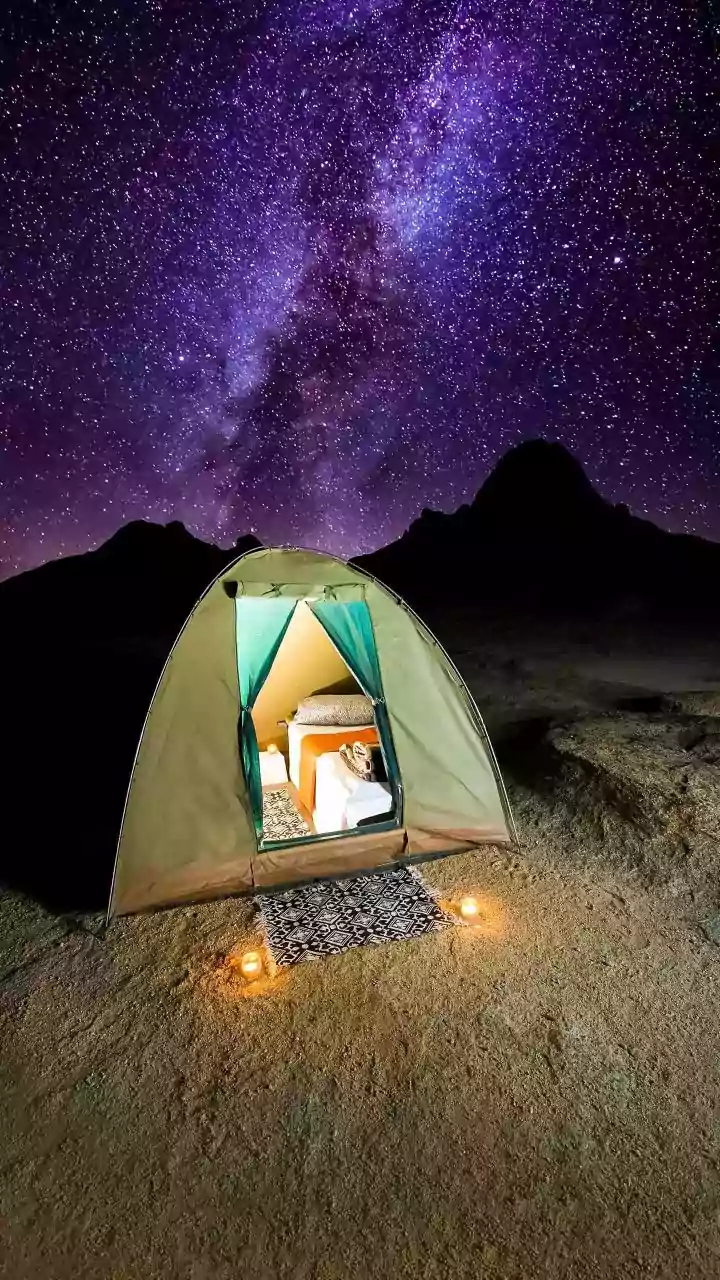
Most people don’t associate India with a vast, blindingly white salt desert, which is precisely why the Great Rann of Kutch is so magical. For much of the year, it’s a sprawling, cracked mudflat. But after the monsoon, it transforms into a shallow wetland, and as winter approaches, the water evaporates, leaving behind a surreal expanse of white salt crystals stretching to the horizon. From December to February, the state government hosts the Rann Utsav, a tent city festival celebrating the region’s vibrant culture with folk music, dance, and exquisite handicrafts. But the best moments are often the quietest: watching the sun set over the salt, casting long blue shadows, or seeing the landscape glow under the light of a full moon. It’s an ethereal experience that feels a million miles away from India’s bustling cities.
4. Go Beyond the Houseboats in Kerala
The backwaters of Kerala are on many itineraries, but the typical experience involves a large, slow-moving houseboat on the main thoroughfares of Vembanad Lake. To truly get 'off the map,' go smaller and deeper. Ditch the big boats and opt for a village homestay or a kayaking tour through the narrow, un-trafficked canals. Here, you'll paddle past small family homes where daily life unfolds on the water’s edge. You’ll see children going to school in skinny boats, watch fishermen mend their nets, and share meals prepared with ingredients grown in the backyard. This version of the backwaters is intimate, quiet, and far more connected to the local culture. It’s the difference between watching a movie of a place and actually being in it.
5. Wander the Bouldered Kingdom of Hampi
While not entirely unknown, Hampi’s location in central Karnataka keeps it off the standard first-timer’s route, and its sheer scale makes it feel like a secret world. The former capital of the Vijayanagara Empire, Hampi is a UNESCO World Heritage site where stunning temple ruins are strewn across a surreal landscape of giant, rust-colored boulders. It’s a place to be explored, not just seen. Rent a scooter or a bicycle and spend days getting lost among ancient bazaars, riverside carvings, and magnificent stone chariots. The vibe is incredibly laid-back. You can hike up Matanga Hill for a breathtaking sunrise over the entire kingdom or simply sit by the Tungabhadra River and watch the world go by. Hampi reminds you that history isn't just in museums; it's a living landscape you can climb, touch, and feel.