
A Symphony of Waterfalls
The single greatest reason to visit the Northeast during monsoon is the waterfalls. In Meghalaya, the “Abode of Clouds,” landscapes come alive with cascades that are either dormant or mere trickles during drier months. Cherrapunji and Mawsynram, two of the wettest
places on Earth, become epicentres of this natural spectacle. Mighty waterfalls like Nohkalikai, India's tallest plunge waterfall, and the Seven Sisters Falls become thunderous forces of nature, offering a powerful and humbling sight. The three-tiered Wei Sawdong Falls and the majestic Kynrem Falls also reach their peak glory, their roar echoing through mist-covered valleys. This season offers a chance to see these natural wonders as they are meant to be seen: full, powerful, and breathtakingly alive.
The Land Turns Emerald Green
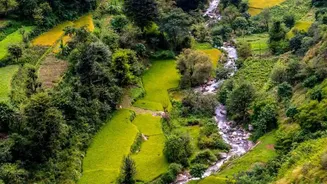
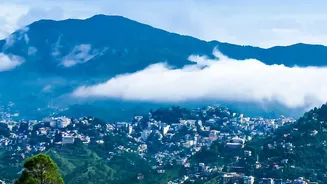
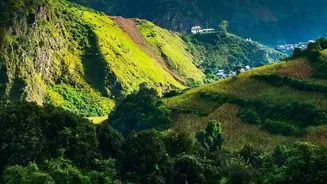
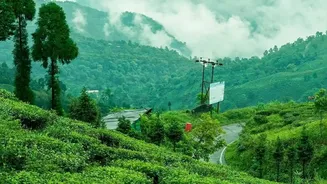
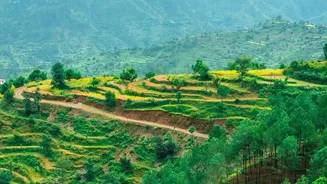
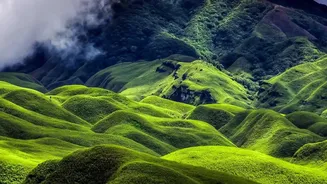
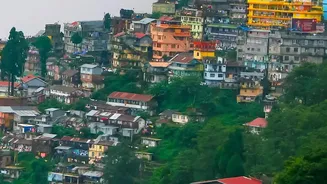
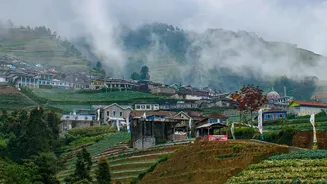
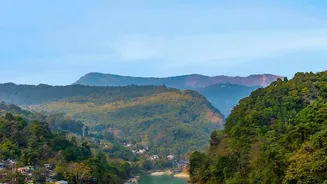
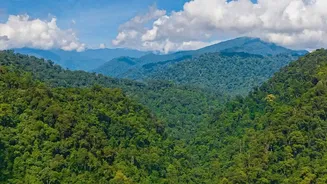
The term 'green' feels inadequate to describe the Northeast after the first few showers of monsoon. The rain washes away the dust, painting the hills and valleys in countless shades of emerald, jade, and lime. The sprawling tea gardens of Assam become impossibly lush, their manicured rows forming a vibrant contrast against the dark, cloudy skies. Haflong, Assam's only hill station, becomes a green paradise, its mist-covered hills creating a serene and picturesque landscape perfect for nature lovers. This intense greenery, fresh mountain air, and cool temperatures, often between 15°C and 25°C, provide a refreshing escape from the heat and humidity of the plains.
The Magic of Living Root Bridges
The living root bridges of Meghalaya are a marvel of bio-engineering, but to truly understand their purpose and genius, you must see them in the monsoon. Woven by the Khasi and Jaintia tribes from the aerial roots of rubber fig trees, these bridges are designed to withstand the very force that destroys conventional structures: torrential rain. During the monsoon, as rivers swell into roaring torrents below, these living structures don't just endure; they thrive. The wet roots glisten, the surrounding forest becomes a primeval paradise of moss and ferns, and you can viscerally understand why these bridges were grown. Crossing one is not just a photo opportunity; it’s a lesson in sustainable, nature-integrated living passed down through generations.
Fewer Crowds and Better Deals
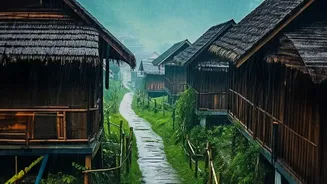
One of the most practical benefits of embracing a monsoon journey to the Northeast is the relative peace and quiet. The peak tourist season is typically during the drier winter and spring months, meaning the monsoon is considered the off-season. This translates to fewer crowds at popular spots like Shillong’s Ward’s Lake or the viewpoints for major waterfalls. You can experience the region’s attractions in a more intimate and personal way. Furthermore, this can often lead to more budget-friendly travel, with potential discounts on flights and accommodation. It's an ideal time for travellers seeking a more contemplative and less hurried escape.
A Note on Practical Planning
While the beauty is undeniable, travelling to the Northeast during the monsoon requires careful planning. Landslides and road blockages are a possibility, so flexibility is key. It's wise to build buffer days into your itinerary and avoid non-refundable bookings. Consult local travel operators who have on-ground knowledge of current conditions. Pack waterproof jackets, non-slip footwear, and protective covers for electronics. While some areas, like the high-altitude trek to Nongriat’s Double Decker bridge, may be challenging for casual visitors due to slippery steps, more accessible bridges like the one at Riwai are perfect for monsoon viewing. Always prioritize safety, especially near swollen rivers and waterfalls.