



The Science of a Sizzle
The magic behind this technique lies in basic food science. Many of the aromatic compounds that give spices their characteristic flavour and aroma are fat-soluble, not water-soluble. This means they need to be coaxed out with fat, like oil or ghee. When
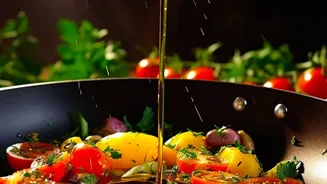
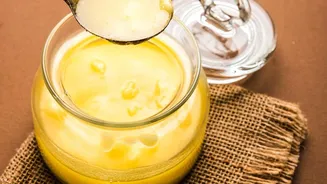
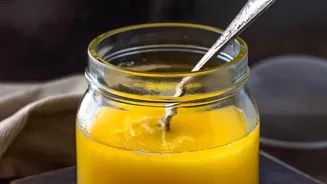
you simply drop spices into a water-based curry or dal, you are missing out on a huge amount of their potential. By heating spices in a small amount of hot fat, a process known as blooming or tempering, you break down their cellular structure and release these volatile essential oils. The hot fat acts as a delivery vehicle, extracting these compounds and distributing their flavour evenly throughout the entire dish, ensuring every bite is rich and balanced.
Mastering the 'Tadka'
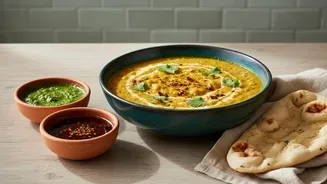
In India, this technique has been perfected for centuries and is known by many names, most commonly tadka, but also chaunk, vaghar, or phodni. A tadka is a small portion of spices briefly fried in hot fat, which can be added at the beginning of cooking to build a flavour base, or, more dramatically, poured over a finished dish as a final flourish. This finishing tadka delivers a sharp, pungent burst of flavour and an explosion of aroma that simply cannot be achieved by cooking the spices within the dish itself. A simple dal, for instance, is often simmered with just turmeric and salt, only to be completely transformed in the final seconds by a sizzling tadka of cumin seeds, mustard seeds, garlic, and dried chillies.
Your Guide to a Perfect Tadka
The process is swift and requires your full attention, as spices can go from fragrant to bitter in seconds. The key is preparation and heat management. Start by heating your oil or ghee in a small pan over medium heat. Have all your spices measured and ready. A common and effective order is to add hard, whole spices like mustard seeds first. Once they begin to pop and crackle, you can add other spices like cumin seeds, followed by more delicate ingredients like dried red chillies or garlic. Powders and fresh herbs like curry leaves go in last as they burn quickly. As soon as the spices are intensely aromatic—usually within 30 seconds—pour the entire sizzling mixture over your finished dish.
Beyond Indian Cuisine
While most associated with Indian cooking, the principle of blooming spices in fat is a global culinary concept. Chinese cooking uses a similar method with Sichuan peppercorns and star anise in hot oil to create flavourful bases. In Mexican cuisine, dried chillies are often toasted in fat for moles and salsas. You can apply this technique to almost anything. Try blooming some freshly cracked black pepper and red chilli flakes in olive oil before tossing it with pasta. Drizzle a cumin and coriander-infused oil over roasted vegetables. Or pour a garlic and herb-infused butter over a simple grilled chicken breast. The possibilities are endless.
Spices that Shine with Heat
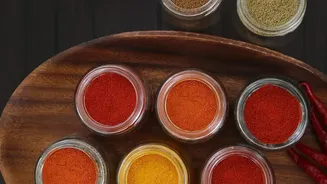
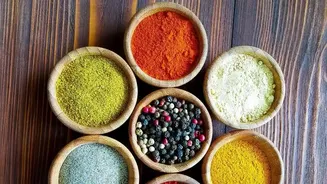
Certain spices are particularly well-suited for this technique. Whole seeds are often preferred as they contain trapped essential oils that release upon heating. Good starting points include mustard seeds, which will pop audibly, signalling the oil is at the right temperature, and cumin seeds, which release a warm, earthy aroma. Other excellent choices include fenugreek seeds, curry leaves, asafoetida (hing), and dried red chillies. Experimenting with different combinations will allow you to create complex layers of flavour and find your own signature finishing touch.