

Batch cooking promises efficiency, but the reality often involves disappointing, reheated meals. The secret isn't cooking more; it's cooking smarter. Choosing dishes that thrive after a day or two is key to a successful twice-weekly cooking plan.
The Science of a Great Reheat
Not all
leftovers are created equal, and food science explains why. The best dishes for reheating are those with ample moisture, like sauces and gravies, which protect ingredients from drying out. When food cools, starches can stiffen and proteins can lose moisture. This is why day-old bread becomes tough and plain chicken breast turns rubbery. The goal is to choose meals where these changes are minimal or even beneficial. Dishes where flavours can meld and deepen over time, like stews and curries, are ideal candidates. Conversely, anything prized for its crispy or delicate texture—think fried foods, breaded cutlets, and fresh salads—will inevitably become soggy or wilted and is best avoided.
Champions of the Reheat: Soups, Stews, and Curries
Wet dishes are the undisputed heroes of batch cooking. Soups, stews, and Indian curries often taste even better the next day as spices and aromatics have more time to infuse the dish. Lentil-based dishes like dal are particularly well-suited for batch cooking; they are economical, filling, and freeze beautifully. A base of onion-tomato masala can be prepared in a large quantity and used to create different curries throughout the week, such as chana masala or rajma. When reheating, these dishes may thicken as the ingredients absorb liquid, but a simple splash of water or broth will restore them to their original consistency. The sauce acts as a protective barrier, ensuring meats like chicken or lamb remain tender.
Smart Proteins: What to Cook
When it comes to protein, preparation method is everything. Slow-cooked and shredded meats, like pulled pork or chicken, are excellent choices because they are cooked in liquid and absorb sauce, preventing them from drying out. Meatballs are another fantastic option as they are easily portioned and stay moist when reheated in sauce. For vegetarians, legumes like chickpeas and beans hold their texture well, making them a reliable base for many make-ahead meals. Firm tofu that has been pressed and baked also maintains its structure and reheats nicely in stir-fries or curries. Thinly sliced steaks and delicate fish, however, tend to overcook and develop off-flavours, so they are best cooked fresh.
Grains and Vegetables: The Supporting Cast
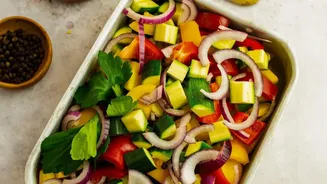
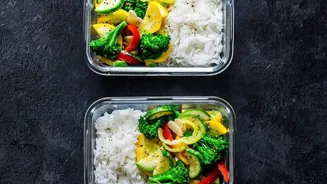
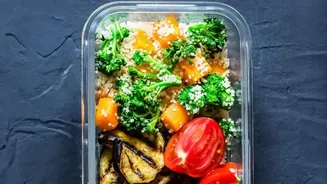
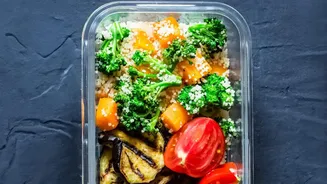
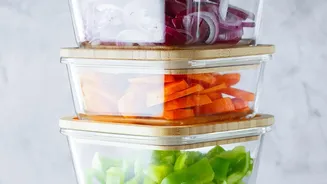
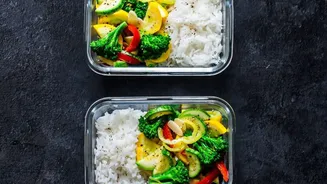
Grains and roasted vegetables form the foundation of many batch-cooked meals. Rice is a meal prep staple, but it can become dry. Adding a splash of water before microwaving helps to re_steam it. White rice tends to reheat better than brown rice, which can become harder. Sturdy roasted root vegetables like carrots, sweet potatoes, and butternut squash hold their texture and flavour well. It's often best to slightly undercook vegetables that you plan to freeze or reheat, as they will cook further during the warming process. One popular and effective strategy is component prepping: cook grains, proteins, and roasted vegetables separately and assemble them into bowls or salads just before eating. This keeps each element at its best.
Foods Best Left for Fresh Cooking
To avoid disappointment, it's just as important to know what not to batch cook. Fried and breaded foods will lose their signature crunch and turn soggy. Cream_based sauces have a tendency to separate or become grainy when reheated. Vegetables with a high water content, like cucumber and lettuce, will wilt and become limp. While cooked pasta can be reheated in a pinch, it often becomes mushy; if you must, undercook it slightly and store the sauce separately. For the best results, save these dishes for nights when you have a little more time to cook from scratch.