

A Strategy Beyond Palaces
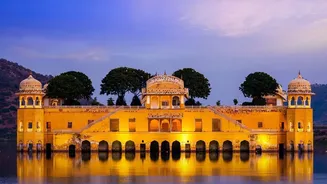
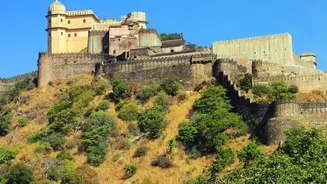
For decades, tourism in Rajasthan has revolved around the well-trodden circuit of Jaipur, Udaipur, and Jodhpur. However, the state government is now actively widening its focus. The new strategy involves promoting emerging regions like Banswara, Bundi,
and the Shekhawati and Marwar areas as compelling destinations in their own right. The goal is to reposition Rajasthan as a year-round destination with a diverse portfolio of experiences, from desert landscapes and wildlife to rural and eco-tourism. By encouraging tour operators to include these new spots in their itineraries and developing policies like a new homestay scheme, the state aims to create more balanced regional growth and reduce the seasonal pressure on its main hubs. This push also serves to strengthen domestic tourism, creating resilience against global uncertainties that can affect foreign visitor numbers.
The Last-Mile Problem
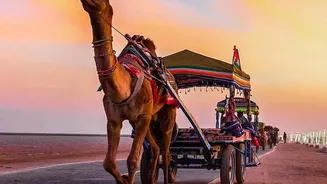
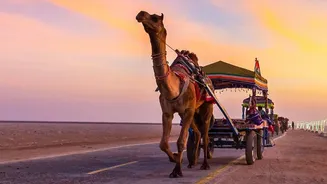
While inter-city connectivity in Rajasthan is improving, with significant investment in expressways, the challenge often lies in the last mile. Reaching the main tourist cities is one thing; navigating within them and, more importantly, getting to the newly promoted remote destinations is another. Many of these emerging spots lack adequate and proper conveyance facilities. Tourists frequently rely on a fragmented system of auto-rickshaws and private taxis, where issues like overcharging, language barriers, and a lack of metered fares can create friction. For many travellers, the experience can be confusing and uncomfortable, especially when travelling on poorly maintained roads or in vehicles without air-conditioning. This inconsistency in transport quality and pricing presents a significant hurdle to the state's vision of offering a seamless, high-quality experience across all its regions.
Lessons from India's Coasts
In this context, comparing Rajasthan's situation with other major tourist states is revealing. Kerala, for instance, offers a compelling model. Its tourism is also distributed across diverse locations like backwaters and hill stations. The state has cultivated a multi-modal transport system combining a large fleet of public KSRTC buses, private operators, an extensive passenger train network, and regulated ferries for its waterways. This integrated approach provides tourists with reliable and affordable options. On the other hand, Goa serves as a cautionary tale. For years, tourists have complained about being overcharged by a dominant local taxi lobby that has fiercely resisted the introduction of app-based aggregators and metered fares. This has damaged the state's tourism reputation, with government ministers publicly acknowledging the problem. While app-based services like GoaMiles are attempting to bring transparency, the ongoing friction highlights the difficulty in modernising a transport ecosystem without full stakeholder cooperation.
Plotting a Modern Route
For Rajasthan's new tourism strategy to succeed, a modernised transport plan is not just an option but a necessity. The solutions lie in a blended approach. Strengthening the state-run RSRTC bus network, especially on routes connecting hubs to emerging destinations, would provide a reliable backbone. Embracing technology is equally critical. Regulating and integrating auto-rickshaws and local taxis into a unified, app-based platform—similar to what is being attempted in Goa but with stronger government backing—could solve issues of transparent pricing and safety. Furthermore, investing in dedicated, eco-friendly transport for specific tourist zones, such as electric shuttles in heritage areas or premium vans for small groups exploring rural circuits, could mirror the success of comfortable, quality-focused vehicles seen in Kerala's tourism sector. The key is to create an integrated system where public and private transport work in concert, offering tourists clear, reliable, and fairly priced choices for every leg of their journey.