








The Power of Eating Seasonally
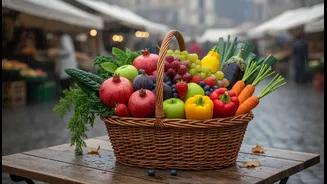
Following nature's clock is an age-old Indian tradition for good reason. When fruits and vegetables are in season, they are at their nutritional peak, offering more flavour and health benefits. Produce that is harvested at its natural time is fresher
and often contains higher levels of vitamins and antioxidants. Beyond the health perks, seasonal eating is kind to your budget. Basic economics dictates that when a particular vegetable or fruit is abundant, its price drops. This means you can fill your plate with high-quality produce without stretching your finances, making healthy eating accessible to everyone.
What a Balanced Plate Looks Like
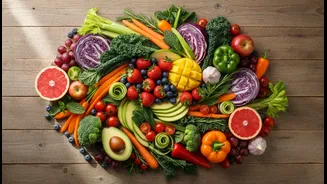
Before diving into seasonal specifics, it's helpful to understand the blueprint of a balanced meal. A simple and effective guide is the plate method. Imagine your plate is divided into three sections. Half of it should be filled with vegetables. The remaining half is split equally between a source of protein and carbohydrates. For protein, think dals, chickpeas, paneer, or eggs. For carbohydrates, choose whole grains like whole wheat roti, brown rice, or millets. This structure ensures you get a healthy mix of fibre, vitamins, protein, and energy in every meal.
Summer's Cooling Harvest (March–June)
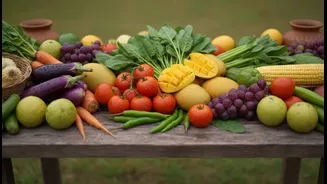
As temperatures rise, the body craves light, hydrating foods. Summer brings a wealth of options that are both cooling and affordable. Vegetables like bottle gourd (lauki), cucumber, and pumpkin are abundant and excellent for staying hydrated. Fruits such as watermelon, muskmelon, and, of course, mangoes are at their peak. A simple summer meal could be a lauki sabzi with a couple of rotis and a side of cucumber salad. For a protein boost, a bowl of moong dal is a light and easy-to-digest choice that complements the season's produce perfectly.
Monsoon's Immune-Boosting Foods (July–September)
The monsoon season calls for foods that are easy to digest and help boost immunity to ward off common infections. This is the time for vegetables like bitter gourd (karela), cluster beans (gawar), and lady's finger (bhindi). While available year-round, they are freshest during these months. Fruits like jamun, pears, and custard apples are monsoon specialities. Jamun, in particular, is celebrated for its health benefits, including its potential to help regulate blood sugar. A balanced monsoon plate might feature a simple bhindi sabzi, dal-rice, and a handful of jamuns for dessert.
Winter's Nourishing Roots and Greens (October–February)
Winter is the season for hearty, warming foods that provide sustained energy. The markets are flooded with a variety of leafy greens like spinach (palak), fenugreek (methi), and mustard greens (sarson). This is also the best time for root vegetables like carrots, beets, and radishes. Citrus fruits such as oranges and sweet limes (mosambi) are at their juiciest, providing a much-needed dose of Vitamin C to bolster immunity against colds and flu. A classic winter meal of sarson da saag with makki di roti, a side of carrot salad, and a fresh orange is a perfect example of seasonal, balanced eating.
Year-Round Staples for a Strong Foundation
While seasonal produce should be the star, your pantry's foundation relies on year-round staples. Lentils and pulses like masoor dal, chana, and rajma are incredibly affordable protein sources. Whole grains such as whole wheat atta, rice, and millets like jowar and bajra provide essential carbohydrates and fibre. Bananas, papayas, and guavas are fruits available throughout the year, offering consistent nutritional value. By stocking these staples, you always have the base for a balanced meal, which can then be elevated with the fresh, seasonal produce you find at your local market.