



A Journey Through Heritage
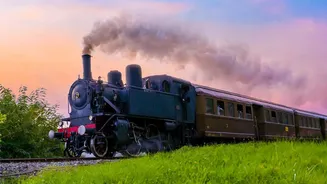
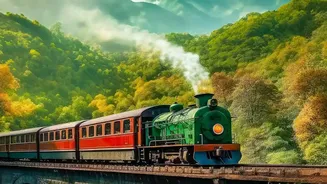
For most, the Kalka-Shimla Railway is a bucket-list travel experience. Inaugurated in 1903 to connect the British Raj's summer capital with the northern plains, this narrow-gauge line is a marvel of engineering. Spanning 96 kilometres, the train chugs
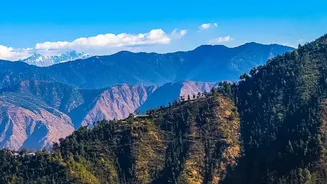
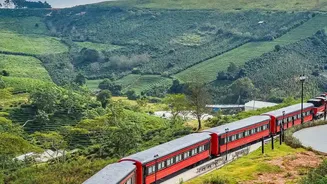
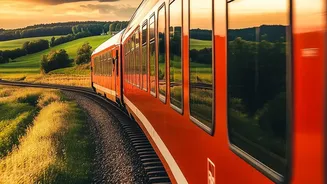
through over 100 tunnels, crosses more than 800 bridges, and navigates 919 sharp curves, climbing from 656 metres at Kalka to over 2,000 metres in Shimla. In 2008, it was inscribed as a UNESCO World Heritage Site, cementing its status as a piece of living history. Tourists flock to ride in special coaches like the Vistadome, which features panoramic glass windows and a transparent roof, offering uninterrupted views of the majestic Shivalik hills. Services like the Shivalik Deluxe Express and the Him Darshan Express are tailored for this scenic, leisurely journey, where the ride itself is the main attraction.
The Lifeline of the Hills
Beyond the postcard image, however, lies a different reality. For residents of the small towns and villages dotted along the route—like Dharampur, Solan, Kandaghat, and Barog—the train is not a luxury but a necessity. It serves as a reliable and affordable mode of daily transport for students, government employees, and vendors who commute to Shimla and other commercial centres for work and education. When landslides block roads during heavy monsoons, the railway often remains the only viable link to the outside world. While tourists might pay upwards of ₹600 for a seat in a premium coach, locals can travel the same route for as little as ₹50-₹70 on passenger trains. These services, like the 'Mix Up-Down' train, stop at all 18 stations, providing essential connectivity that buses or taxis cannot match in terms of cost or dependability.
Two Worlds on a Single Track
Indian Railways navigates this dual demand by operating a mix of services. On one end are the premium tourist trains, which offer comfort and enhanced viewing experiences, complete with pre-booked seats and sometimes meals. On the other are the general passenger coaches and the unique Rail Motor Car, a single-carriage vehicle that looks like a bus on rails, which is popular with both tourists in a hurry and regular commuters. The Himalayan Queen is another train that serves both crowds, with affordable chair car seats and numerous stops that benefit local passengers. This stratification ensures that the line can generate revenue from tourism while fulfilling its public service obligation. The presence of tourists also provides a steady source of income for vendors and taxi operators at stations along the way, creating a symbiotic economic relationship.
Resilience Against the Elements
Maintaining a century-old railway in the fragile Himalayan ecosystem is a monumental task. The line is extremely vulnerable to the region's harsh weather, especially during the monsoon season. In recent years, heavy rains and subsequent landslides have caused extensive damage, leading to prolonged service suspensions. A devastating cloudburst in 2023 washed away a critical bridge and damaged the track at nearly 175 points, bringing the entire service to a halt for months. The massive restoration effort undertaken by the railways to repair the line underscores its profound importance to the region. These repeated disruptions highlight the ongoing battle between preserving a heritage marvel and the increasing challenges posed by climate change and nearby infrastructure development, which threaten the stability of the track.