



The Fresh vs. Dried Debate
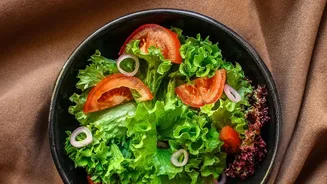
In the world of salads, fresh ingredients are king. Crisp lettuce, vibrant vegetables, and bright, freshly picked herbs are the standard for a reason. However, tender fresh herbs can often be a letdown. Once tossed with dressing, delicate leaves like
basil or parsley can wilt, bruise, and become disappointingly muted, their subtle aromas overwhelmed by vinaigrette. While fresh herbs are irreplaceable as a finishing garnish, incorporating them into the body of a salad requires a different approach. This is where drying offers a surprising advantage, creating a more robust and distinct herbal character that can stand up to other ingredients.
The Science of Flavour Concentration
The magic behind this technique lies in basic food science. The flavour and aroma of an herb come from its essential oils, also known as volatile oils. The process of drying removes water from the plant's leaves and stems, which in turn concentrates these oils. This is why dried herbs are significantly more potent by volume than their fresh counterparts. While this concentrated flavour can sometimes lean towards being bitter or dusty if the herbs are old or dried improperly, a quick, gentle drying process preserves the herb's character, transforming it into a powerful flavouring agent. The result is a crisp, intensely aromatic ingredient that adds both taste and a delightful texture when crumbled over a salad.
Which Herbs Work Best?
Not all herbs are created equal when it comes to drying. The best candidates are hardy, woody-stemmed herbs whose sturdy structure holds up well to the drying process. These are often described as "resinous" herbs because they have a higher concentration of those flavourful essential oils to begin with. Think of Mediterranean herbs like oregano, rosemary, thyme, marjoram, and sage. These herbs dry beautifully, their flavours becoming deeper and more pronounced. When you crumble a freshly dried oregano leaf over a Greek salad, you get a pungent, peppery burst that fresh oregano, chopped and tossed in dressing, simply can't replicate.
When to Keep It Fresh
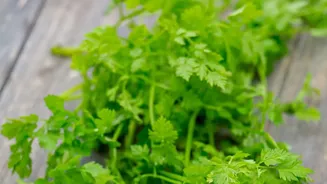
On the other hand, soft, tender-leaf herbs with high water content generally don't benefit from this method. Herbs like basil, cilantro, parsley, chives, and dill have delicate, bright flavours that are largely lost or unpleasantly altered during drying. Their appeal is in their freshness, and they are best used raw, either as a garnish or stirred in at the very last moment. Freezing is often a better preservation method for these finer herbs if you have an abundance, as it locks in their fresh character more effectively. So, for that Caprese salad, stick with fresh basil leaves rather than dried.
Simple Drying Methods for Salads
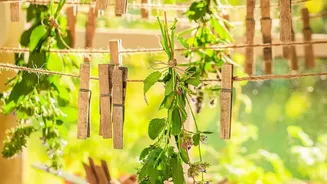
You don't need special equipment to prepare herbs for a salad. The goal is to make them crisp enough to crumble, which can be done in minutes. One of the quickest methods is using a microwave. Simply lay the clean, dry herb sprigs in a single layer on a plate and microwave in short bursts of 20-30 seconds until they are brittle. Alternatively, you can use a low oven. Spread the herbs on a baking sheet and place them in an oven set to its lowest temperature (ideally under 80°C) for 20-30 minutes, or until fully dry. For both methods, let the herbs cool completely before crumbling them to ensure maximum crispness.
Putting It All Together
Once your herbs are dried, the application is simple. Instead of mixing them into the salad where they might rehydrate and lose their textural advantage, use them as a finishing touch. Just before serving, crumble the crisp leaves between your fingers and sprinkle them over the top. This technique not only delivers a concentrated burst of flavour with every bite but also adds an interesting, slightly crunchy texture that contrasts beautifully with the other salad components. Try dried rosemary on a roasted potato salad, dried thyme on a salad with goat cheese and beets, or dried oregano over a simple tomato and cucumber mix to see the powerful difference it makes.