




First, What Is GRAP-1?
The Graded Response Action Plan (GRAP) is a set of emergency measures that activate progressively to combat worsening air pollution in the Delhi-NCR region. It is divided into four stages based on the severity of the Air Quality Index (AQI). Stage 1 is triggered
when the AQI is in the 'Poor' range (201-300). The Commission for Air Quality Management (CAQM) implements these measures not to disrupt life entirely, but to prevent the air quality from deteriorating further into the 'Very Poor' or 'Severe' categories. Think of it as a preventative first step in the annual battle against pollution. The focus is on curbing pollution at its source, particularly from dust, waste burning, and certain industrial activities.
Construction and Industrial Rules
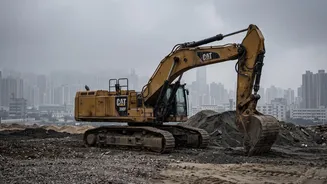
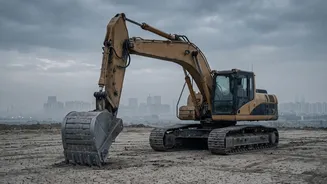
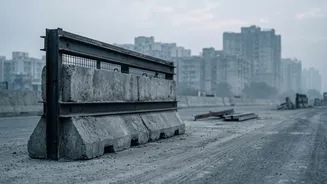
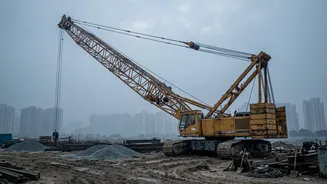
One of the most significant impacts of GRAP-1 is on construction and demolition (C&D) activities. All C&D projects on plots of 500 square metres or more must be registered on the government's web portal and comply with dust control norms. Authorities will enforce measures like covering debris, using water sprinklers, and setting up anti-smog guns to manage dust. While a blanket ban on all construction doesn't apply at this stage, non-compliant sites can be ordered to stop operations. On the industrial front, the use of coal and firewood in tandoors at hotels, restaurants, and open eateries is prohibited. There are also restrictions on the use of diesel generator sets, which are now allowed only for essential or emergency services, not as a regular power source.
Your Daily Commute and Vehicles
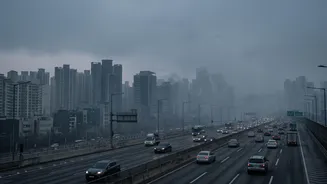
For the average resident, GRAP-1 has a moderate impact on daily travel. The primary focus is on enforcement. Traffic police will intensify checks for Pollution Under Control (PUC) certificates, and vehicles found to be visibly polluting may face penalties. Existing rules on overage diesel (10+ years) and petrol (15+ years) vehicles will be strictly enforced. To ease congestion and pollution from commercial traffic, non-destined trucks will be diverted to the Eastern and Western Peripheral Expressways. However, GRAP-1 does not include drastic measures like an 'odd-even' scheme for private cars or a ban on BS-IV diesel vehicles; those are reserved for more severe pollution stages. Public transport, including buses and the metro, continues to operate as usual.
Rules for Your Residential Area
The restrictions also extend to local neighbourhoods and residential colonies. The most important rule for residents is the strict prohibition on the open burning of any waste, including garbage and biomass. Municipal bodies are tasked with ensuring proper waste management and enforcing this ban. Water sprinkling and mechanised sweeping of roads will be increased to control dust, which can be a major source of local pollution. These measures aim to improve air quality at a hyper-local level and rely on both civic agency action and citizen cooperation to be effective.
What Is NOT Banned Yet?
It's equally important to know what GRAP-1 does not restrict. As of now, there are no orders for schools to close or for government and private offices to switch to work-from-home. These measures are typically considered only in Stage 3 ('Severe') or Stage 4 ('Severe+'). Your personal car, provided it has a valid PUC and is not overage, is not barred from the roads. While some eateries cannot use coal-fired tandoors, they are not being shut down. The goal of this initial stage is to manage emissions proactively without bringing the entire region to a standstill, which is reserved for public health emergencies triggered by much higher AQI levels.