


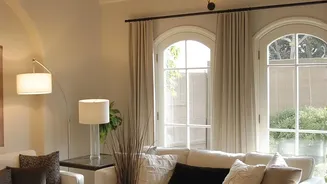
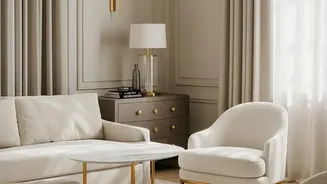
A neutral palette is the secret to a timeless, calming home. Far from being boring, shades of cream, beige, and grey offer a versatile canvas. Here are five ideas to transform your space using the sophisticated power of neutrals.
1. Layer Textures for Depth and Warmth
A room decorated entirely
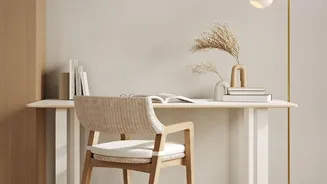
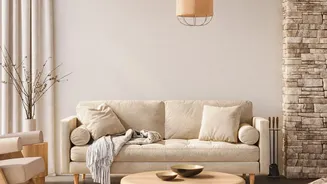
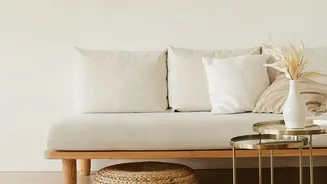
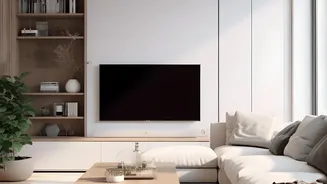
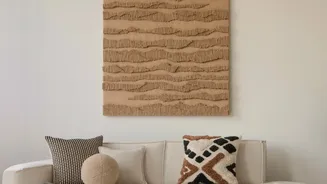
in one shade of beige can feel flat. The key to making neutrals sing is by introducing a rich variety of textures. Think about how different materials feel to the touch and look in the light. Combine soft, plush textiles like bouclé, velvet, or chunky knit wool with the crispness of linen or cotton. These soft surfaces can be beautifully contrasted with harder, natural materials such as a smooth wooden coffee table, a rattan accent chair, or a cool stone vase. This layering of different textures—from woven rugs underfoot to fabric curtains and throw pillows—adds visual weight and a sense of cosiness that prevents the space from feeling sterile. It creates a dynamic, inviting environment where the subtlety of the colour palette allows the materials themselves to shine.
2. Embrace the Japandi Philosophy
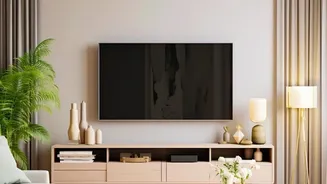
One of the most refined trends to emerge in recent years is Japandi, a hybrid of Japanese minimalism and Scandinavian functionality. This design philosophy is built on a foundation of warm, neutral colours, natural materials, and clean, uncluttered spaces. It champions the idea of 'fewer, better things', focusing on well-crafted, functional furniture and decor. To bring a Japandi feel to your neutral home, start by decluttering to create a sense of calm and open space. Choose low-profile furniture made from natural woods like oak or ash. The aesthetic also embraces the Japanese concept of 'wabi-sabi', which finds beauty in imperfection. This can be expressed through handmade ceramics, textiles with natural variations like linen, or furniture that shows its craftsmanship. The result is a space that feels both serene and deeply intentional.
3. Play with a Tonal Palette
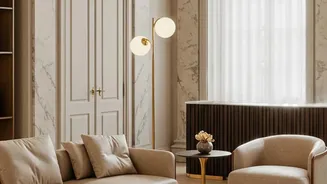
A sophisticated neutral scheme is rarely about a single colour. Instead, it involves expertly layering different tones from the same colour family. Don't just stick to one beige; explore a spectrum of related shades to create depth and interest. For instance, you could pair soft cream walls with a slightly deeper oatmeal-coloured sofa, taupe cushions, and a rich cognac leather accent chair. This tone-on-tone approach creates a cohesive and harmonious look that is visually rich without being overwhelming. You can also mix warm and cool neutrals for a more complex and modern feel. For example, warm beiges and sand tones can be balanced with cooler greys or stone colours. This subtle variation in tone is what gives a neutral room its sophisticated, designer-led quality.
4. Ground the Space with Black Accents
To prevent a neutral room from feeling washed out, introduce strategic black accents. Black is a powerful neutral that adds contrast, depth, and a touch of modern elegance. It acts as a visual anchor, giving the eye a place to rest and making the surrounding lighter tones pop. You don't need much to make an impact. Think of black accents as the punctuation in a sentence. This could be in the form of black metal window frames, a sleek black floor lamp, dark picture frames, or even the legs of a chair or table. Using black sparingly in this way grounds the room, adds a graphic element, and creates a finished look that feels both timeless and contemporary.
5. Make a Statement with Natural Materials
In a neutral setting, the inherent beauty of natural materials can become a powerful focal point. Instead of relying on bright colours for drama, let a statement piece made from wood, stone, or woven fibres take centre stage. This might be a dining table with a prominent wood grain, a large marble coffee table, or a sculptural light fixture made of rattan or bamboo. These organic materials bring a connection to the outdoors and add a layer of authenticity and warmth to the space. By keeping the surrounding palette simple and muted, you allow the texture, pattern, and form of these natural elements to become the room's main feature. This approach creates a design that is both calming and captivating, proving that a neutral scheme can be full of personality.