








The Individual Wellness Burden
In India’s bustling cities, the pursuit of health has become a highly visible, and often expensive, personal quest. From boutique yoga studios to organic cafes, a multi-billion dollar wellness industry tells us that health is a product to be bought and a status
to be achieved. The narrative is simple and seductive: if you try hard enough, you can be healthy. The flip side, however, is a subtle but pervasive culture of blame. When an individual struggles with conditions like obesity, diabetes, or stress, the fault is often placed on their lifestyle choices. This perspective, however, ignores the environment in which these choices are made. It fails to ask whether our cities are designed to support well-being or if they actively work against it, creating a system where only the privileged can afford to be healthy.
Your City, Your Health: The Unseen Barriers
For millions of urban Indians, the 'healthy choice' is rarely the easy one. The urban environment itself presents formidable barriers. Many cities lack well-maintained sidewalks, forcing pedestrians to navigate chaotic traffic, which discourages walking. The scarcity of accessible public parks and green spaces limits opportunities for recreation and relaxation, forcing residents onto polluted streets. Air quality is a major concern, with many Indian cities consistently ranking among the most polluted in the world. This chronic exposure to pollutants like PM2.5 is directly linked to a higher risk of respiratory illnesses, asthma, heart disease, and even premature death. The rise of non-communicable diseases (NCDs) like hypertension and diabetes in urban areas is not just a result of poor diets but is exacerbated by sedentary lifestyles enforced by poor urban planning and chronic stress from daily life. Mental health is also at risk, with studies showing that depression and anxiety are more prevalent in urban areas due to factors like isolation, noise pollution, and the stress of navigating unsafe environments.
Shifting Focus: From Personal Failure to Public Planning
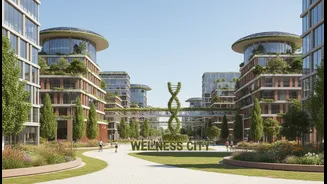
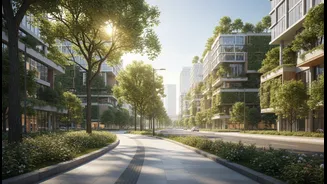
The conversation needs to shift from blaming individuals to examining our collective responsibility in shaping healthier urban ecosystems. This means looking at urban planning and public policy as primary healthcare tools. The concept of a 'Healthy City,' promoted by the World Health Organization, reimagines urban spaces with a health equity lens. It’s about creating environments where the healthy choice becomes the default. This includes designing 'walkable' cities with safe, continuous, and shaded footpaths, which not only encourage physical activity but also reduce carbon emissions. In Chennai, for example, the construction of over 100 kilometers of footpaths was found to have prevented thousands of tonnes of CO2 emissions annually and reduced mortality by promoting walking. Integrating green spaces, such as parks and even roadside tree canopies, is crucial for both mental and physical health, helping to lower urban temperatures and reduce stress.
A Blueprint for Healthier Indian Cities
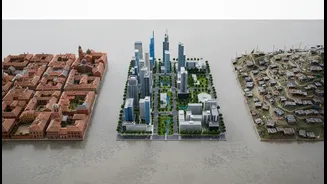
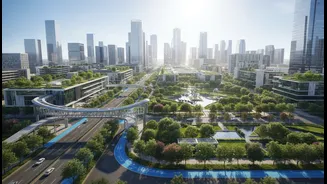
The path forward involves intentional design and policy choices. The National Urban Health Mission (NUHM) and initiatives like the Ayushman Bharat scheme represent steps toward strengthening urban health infrastructure, but a deeper integration with urban planning is needed. Cities like Pune and Bhubaneswar have already begun implementing walkability and cycling initiatives. The goal should be to create '15-minute cities,' where residents can access essential services, work, and recreation within a short walk or bike ride. This reduces reliance on vehicles, cleans the air, and fosters a sense of community. It also requires addressing systemic issues like the lack of safe public transport, the challenge of providing sanitation in informal settlements, and ensuring equitable access to nutritious food. By focusing on these structural factors, cities can create a foundation for health that benefits everyone, not just those who can afford a gym membership.