

The Kitchens of Yesterday
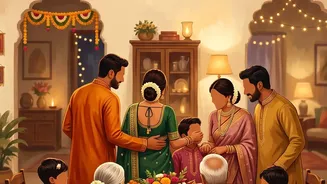
For generations, the Diwali kitchen was the undisputed domain of women. Preparations would begin weeks in advance, with mothers and grandmothers leading the charge, their hands expertly rolling out dough for mathris and shaping ladoos. It was a space
of intense labour but also of bonding, where treasured family recipes for sweets like gujiya, murukku, and shankarpali were passed down. Men and children were often delightful spectators or enthusiastic taste-testers, but their roles seldom involved kneading, frying, or stirring. This division of labour was deeply ingrained, with the kitchen work seen as a woman's responsibility and her expression of love during the festival.
A Shift in Roles and Recipes
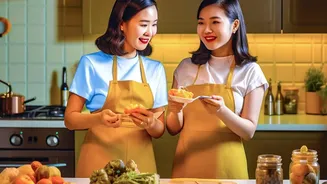
Today, that traditional script is being rewritten. In many urban and semi-urban homes, the kitchen doors have swung open. More men are stepping in, not just to assist, but to actively participate in the cooking process. This shift is driven by a combination of factors, including the rise of nuclear families, dual-income households, and a genuine desire among younger generations to share the festive workload more equitably. The notion that the kitchen is solely a woman's responsibility during festivals is being challenged. As one chef noted, while her mother's generation was conditioned to see unpaid cooking as their role, today's dynamics are changing, albeit slowly. This collaborative spirit makes the process less of a chore and more a part of the shared celebration.
The Convenience Economy Knocks
Perhaps the most significant change has been the arrival of the convenience economy. Food delivery platforms report a massive surge in orders during the festive season, with one executive noting that food delivery has become 'the heart of how India celebrates together'. Quick-commerce apps have also revolutionised last-minute preparations; a forgotten ingredient is now just a ten-minute delivery away. This digital pantry also includes instant sweet mixes and ready-to-fry snacks, which help families retain the taste of home-cooked food while saving precious time. The choice is no longer between spending days in the kitchen or having nothing homemade. A new middle ground has emerged.
From Traditional Mithai to Gourmet Treats
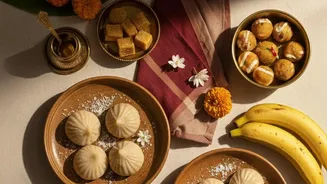
The sweets themselves are also evolving. While classics like kaju katli and ladoos remain popular, there's a growing appetite for modern, gourmet, and health-conscious options. Younger generations, particularly Gen Z, may prefer a box of artisanal chocolates or glutenfree desserts over traditional desi ghee sweets. Food delivery data shows choco lava cakes trending in metros alongside timeless favourites like biryani. This has given rise to fusion sweets like chocolate mohanthal and a demand for highend mithai that focuses on innovative techniques and premium packaging. It reflects a broader trend where tradition is not being discarded but thoughtfully adapted to contemporary tastes and wellness concerns.
Blending Old and New
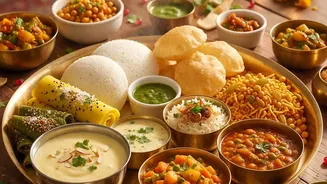
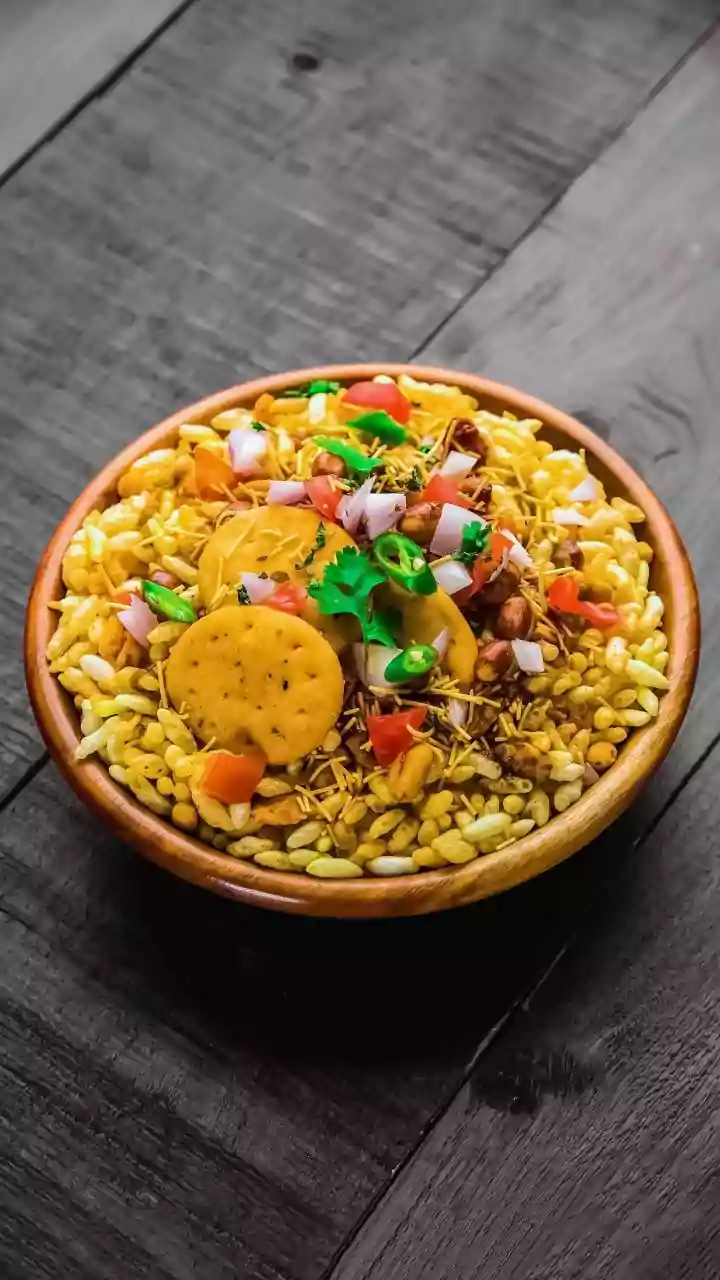
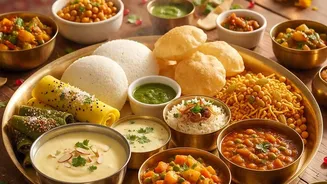
The modern Diwali kitchen is not about replacement, but fusion. Many families now strike a balance, preparing a few signature dishes at home—the ones that truly signify Diwali for them—while outsourcing the rest. They might make a batch of dahi vadas, a family favourite, but order the main course online. Or they might prepare a traditional platter of savoury snacks, known as 'faral' in Maharashtra, but buy the sweets from a trusted confectioner. This hybrid approach preserves the emotional core of the festival—togetherness and sharing food—while embracing the practicalities of modern life. It allows everyone, including the women of the household, to spend less time labouring and more time celebrating with loved ones.