



The Underrated Power of Lines
Before we even get to colour or texture, let’s talk about the simple power of a line. In interior design, stripes are more than just a pattern; they are a secret weapon for manipulating the perception of space. A rug with horizontal stripes, running across
the width of a room, can make a narrow space feel wider and more expansive. Conversely, placing a rug so the stripes run lengthwise can draw the eye forward, elongating the room and creating a sense of depth. This simple optical illusion is one of the fastest ways to alter a room's proportions without moving a single wall. It’s a foundational trick designers use to solve spatial challenges, and a rug makes it incredibly easy to implement.
Bold and Graphic vs. Subtle and Serene
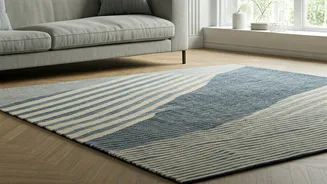
Not all stripes are created equal. The width of the stripes on your rug will dramatically influence the room’s atmosphere. Wide, chunky, high-contrast stripes—like classic black and white or navy and cream—make a bold, graphic statement. They feel modern, confident, and can serve as the undeniable focal point of a room. They work beautifully in minimalist or contemporary spaces where the rug is the star. On the other hand, thin, delicate pinstripes or stripes with low contrast (like beige and cream) offer a more subtle and serene effect. They add texture and a hint of pattern without overwhelming the space, making them perfect for traditional, coastal, or rustic decor schemes where you want gentle visual interest rather than a loud declaration.
Monochrome Magic or a Riot of Colour?
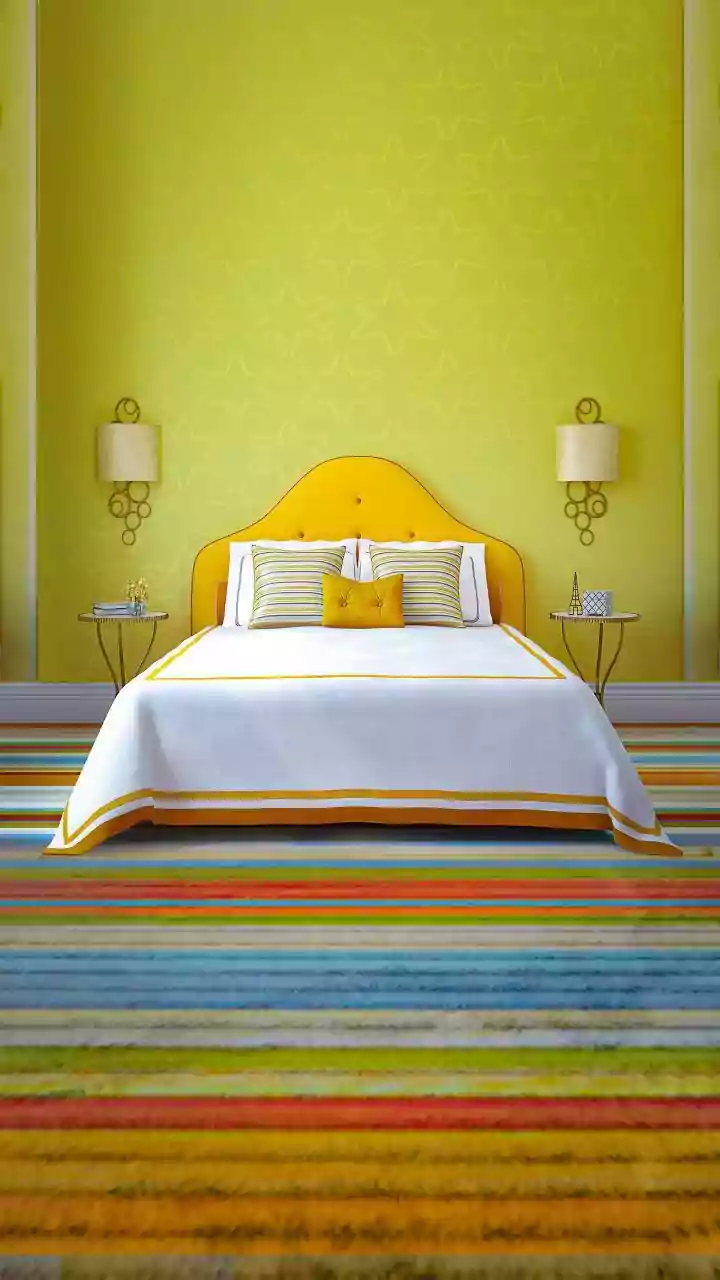
Once you’ve decided on the scale of your stripes, it’s time to think about colour. A monochromatic striped rug is a timeless classic. It’s sophisticated, versatile, and can anchor a room filled with colourful furniture or art. A black-and-white or grey-and-white rug provides a neutral foundation that still feels dynamic and intentional. But if playfulness is your primary goal, a multi-coloured striped rug is the ultimate shortcut to a joyful space. A rug featuring a rainbow of colours or a curated palette of three or four complementary shades can instantly inject energy and fun. It’s an especially effective choice for a child’s room, a creative office, or a living area that needs a dose of cheerfulness. It ties together disparate colours in your decor and gives you a built-in palette to pull from for accent pieces like cushions and throws.
Placement Creates Purpose
How you place your striped rug is just as important as the rug itself. A large area rug with bold stripes can anchor an entire living room seating arrangement, creating a cohesive and defined zone. Make sure at least the front legs of your sofa and chairs are on the rug to create a unified look. In a dining room, a striped rug can define the eating area, but be sure it’s large enough so that the chairs remain on the rug even when pulled out. Don’t be afraid to use smaller striped runners to create pathways and add interest to hallways, kitchens, or entryways. They are brilliant at guiding the eye and making a long, boring corridor feel more designed and less utilitarian. A small striped rug can also be used to carve out a mini-zone, like a cosy reading nook with an armchair and a lamp.
Mixing Patterns Without Fear
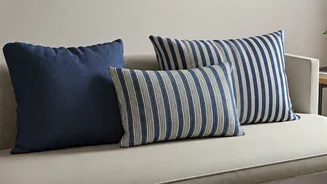
The idea of mixing a striped rug with other patterns can be intimidating, but the key is to follow one simple rule: vary the scale. If you have a rug with bold, wide stripes, pair it with smaller-scale patterns on your cushions, curtains, or art—think delicate florals, small geometrics, or subtle polka dots. Conversely, if your rug has thin pinstripes, you can afford to go bigger with the patterns on your furniture. This variation in scale prevents the patterns from competing with each other and creating visual chaos. Another pro tip is to stick to a cohesive colour palette. If your striped rug is blue and white, your other patterns can incorporate those same shades to ensure the room feels harmonious and pulled-together, not messy.