





More Than Just Noise
When you hear about sound repelling pests, you might picture those little ultrasonic plug-in devices sold online, which have a shaky reputation at best. But the technology making waves in agriculture is far more sophisticated. Called bio-acoustic pest management,
this field of science isn't just about making an annoying noise. It’s about tapping into the hidden world of how insects communicate. Many pests, especially tiny ones like aphids and whiteflies, use plants as a kind of organic telephone line, sending specific vibrations through stems and leaves to find mates or warn of danger. This new approach is less about scaring pests away with loud, generic sounds and more about disrupting their private conversations.
Jamming the Signal
Think of it like signal jamming. Scientists first study the specific vibrational frequency a target pest uses to mate. For example, a male leafhopper might send a specific vibrational 'song' through a grapevine to attract a female. Once that signal is identified, researchers can program devices to broadcast a disruptive vibration across the same plant or trellis system. This essentially floods the communication channel with static, making it impossible for the pests to find each other. The result isn't a mass exodus, but a significant drop in mating, which can cause the pest population to dwindle over time without a single drop of pesticide. Other methods use vibrations to mimic the presence of a predator or simply make the plant an irritating place to rest, encouraging pests to move along.
A Highly Targeted Playlist
One of the biggest advantages of this technology is its precision. A chemical pesticide is a blunt instrument, often harming beneficial insects like bees and ladybugs along with the pests. Sound, however, can be tailored. Researchers can isolate the precise vibrational frequencies used only by the target pest. This means a farm could deploy a signal to disrupt the mating of a specific type of stink bug while leaving pollinators and other helpful critters completely undisturbed. This level of specificity is the holy grail for organic farming, which relies on maintaining a healthy, balanced ecosystem. It allows growers to surgically remove a threat without causing collateral damage to the very insects they depend on.
From the Lab to the Lettuce Patch
So, is your local rooftop garden buzzing with these devices? Not quite yet. While the headline points to a growing trend, vibrational pest control is still an emerging technology. It's currently being tested and proven in larger agricultural settings, like vineyards in Europe and in collaboration with research institutes in Japan. Patents have been filed for devices targeting destructive pests like the brown marmorated stink bug. The technology is moving out of the laboratory and into real-world field trials, but it's not yet an off-the-shelf tool for the average urban farmer. It represents the cutting edge—a glimpse into what the future of pest control looks like, rather than a widespread current practice. For now, it remains in the hands of researchers and pioneering tech firms.
The Future Sounds Promising
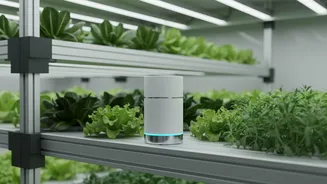
The potential for this technology is enormous, especially for the enclosed, high-value environments of many urban and vertical farms where pesticide use is highly undesirable. The promise is a completely non-toxic, sustainable, and automated form of pest management. However, there are hurdles to overcome before it goes mainstream. The cost of the equipment, the need for further research to identify the right frequencies for a wider range of pests, and the challenge of making the signals effective over larger areas are all being worked on. But as the technology becomes more affordable and effective, the idea of tuning a farm to the right frequency to keep pests at bay could become a fundamental part of growing our food.