





The Ultimate Test for the Human Body
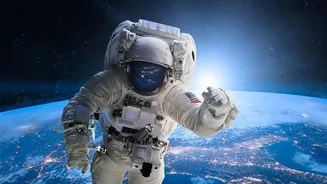
Space is an unforgiving environment. Without gravity, the human body undergoes rapid and often detrimental changes. Astronauts experience a fluid shift towards their upper body, causing facial puffiness and cardiovascular strain. More critically, their muscles
and bones, freed from the constant load of gravity, begin to weaken. An astronaut can lose 1% to 2% of their bone density for every month spent in space, a rate ten times faster than osteoporosis on Earth. Muscles can atrophy by up to 20% in less than two weeks without rigorous exercise. The immune system also becomes less effective, and psychological stress from isolation adds another layer of complexity. Studying these extreme adaptations provides a unique, accelerated model of human diseases and the aging process.
Solving for Bone Loss and Muscle Atrophy
The rapid bone and muscle deterioration seen in astronauts is a significant risk for long-duration missions. However, this challenge presents a massive opportunity for terrestrial medicine. Research into countermeasures for astronauts—from specialised exercise regimes to potential drug therapies—can be directly applied to patients on Earth. The insights gained could revolutionize treatment for osteoporosis, a condition affecting millions, and improve care for bedridden patients or the elderly who suffer from muscle wasting (sarcopenia). By understanding how to keep an astronaut’s skeleton strong in zero gravity, scientists can develop better strategies to help people maintain mobility and bone health throughout their lives on Earth.
Telemedicine for the Final Frontier and Rural India
How do you treat a patient when you are hundreds of kilometers away? This is the daily reality for flight surgeons monitoring astronauts on the International Space Station. The need to diagnose and manage health issues remotely has driven incredible innovation in telemedicine, from portable ultrasound devices to sophisticated remote monitoring systems. This exact technology has transformative potential for India, where a large percentage of the population lives in rural and remote areas with limited access to specialist medical care. The systems developed to keep astronauts healthy in orbit can be adapted to connect rural patients with urban doctors, conduct remote diagnostics, and provide critical care where none was previously available, effectively closing the vast distances in India's healthcare landscape.
A Laboratory for India’s Medical Future
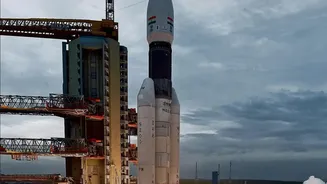
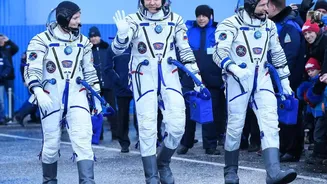
Recognizing this immense potential, the Indian Space Research Organisation (ISRO) is actively collaborating with top medical institutions. Partnerships with the All India Institute of Medical Sciences (AIIMS) and Sree Chitra Tirunal Institute for Medical Sciences & Technology (SCTIMST) have been established to spearhead research for the Gaganyaan mission. These collaborations will focus on everything from the physiological and psychological health of astronauts to developing crew medical kits and biomedical support systems. This national effort will not only safeguard India's future 'vyomanauts' but also create a unique ecosystem for medical innovation. The research promises to yield benefits for public health, inspire a new generation in STEM careers, and position India as a leader in the specialised field of space medicine.