





Fabric First: The Foundation of Monsoon Comfort
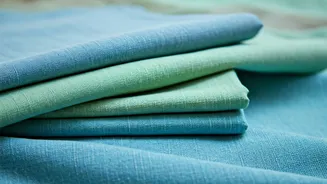
The single most important decision for monsoon dressing is choosing the right fabric. The goal is to pick materials that are breathable, quick-drying, and ideally, sustainable. Organic cotton is a reliable choice; it's lightweight, allows air to circulate,
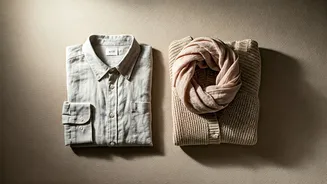
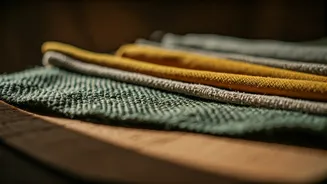
and absorbs moisture. However, it can be slow to dry. For superior performance in humidity, consider fabrics like linen, which is exceptionally breathable and dries faster than cotton. Modern eco-friendly options like bamboo and Tencel (Lyocell) are also excellent. Bamboo fabric is naturally moisture-wicking and soft, while Tencel is known for its smooth feel and ability to dry quickly, making it perfect for high-humidity regions. Hand-spun Khadi is another brilliant option, offering breathability rooted in Indian tradition. Avoid heavy materials like denim and silk, which take ages to dry and can be ruined by watermarks.
Smart Silhouettes for Splash-Proof Style
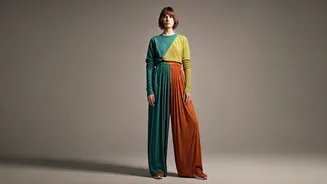
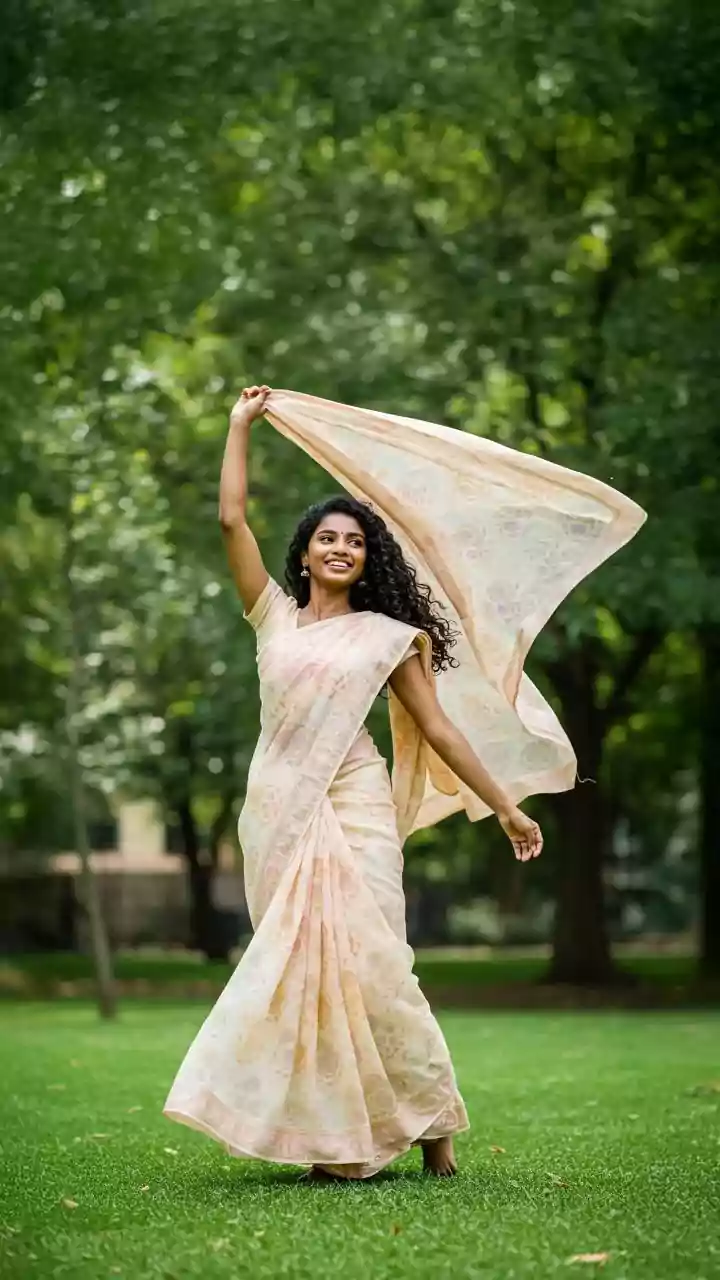
Once you've chosen your fabric, think about the cut of your clothes. The key is to avoid anything that might drag through puddles or cling uncomfortably. Shorter hemlines are a practical choice. Think knee-length or midi dresses, short kurtis, and cropped trousers. These styles prevent your hems from getting soaked and muddy. Flowy and relaxed fits, such as A-line skirts, kaftans, and loose pants, are also ideal. They don't stick to your skin in the humidity, allowing for better air circulation and comfort. Jumpsuits made from lightweight fabrics can be a surprisingly practical and stylish all-in-one outfit. For ethnic wear, pair a short or knee-length kurti with ankle-length straight pants or culottes instead of long, flared palazzos.
A Conscious Colour Palette
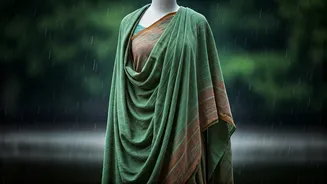
While white and very light shades can feel fresh, they run the risk of becoming transparent when wet and showing mud stains easily. A conscious monsoon palette leans into practicality without sacrificing personality. Bright, cheerful colours like yellows, pinks, and blues can lift your spirits on a gloomy day. These vibrant hues stand out beautifully against a grey sky. Another smart strategy is to embrace prints or darker, muted tones like dusty greens and terracotta. Patterns are excellent at camouflaging any stray water marks or stains, keeping you looking polished even after an unexpected shower.
Functional Footwear and Accessories
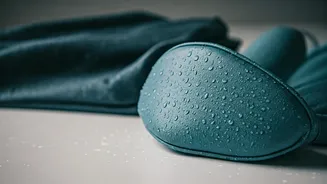
The wrong footwear can ruin a monsoon day. Leather and suede are a definite no-go as water can cause permanent damage. Instead, opt for waterproof or water-resistant choices like stylish rubber boots, PVC flats, or sandals. Look for options with good grip to avoid slipping on wet surfaces. When it comes to bags, swap your leather tote for one made from waterproof materials like recycled polyester or even a sturdy canvas that can withstand a drizzle. As for jewellery, minimalism is key. Heavy pieces can feel cumbersome in the humidity, so stick to simple, waterproof items.
Caring for Your Clothes
A conscious wardrobe is also one that lasts. The monsoon can be tough on clothes, with the constant dampness posing a risk of mould and mildew. Proper care is essential. Always aim to air dry your clothes naturally instead of using a machine dryer to save energy. Ensure they are completely dry before storing them in a well-ventilated space. Using gentle, eco-friendly detergents can also help preserve the fabric's quality. By taking good care of your garments, you extend their lifespan, which is a cornerstone of sustainable fashion.