



The Science of Thirsty Roots
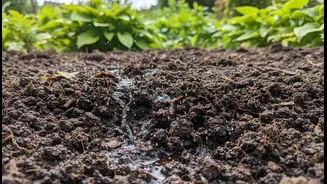
It’s a common misconception that roots only need water. In reality, they need a balance of both water and oxygen to thrive. In their natural habitat, soil has plenty of tiny air pockets that provide this oxygen. When you put a plant in a pot without drainage,
excess water has nowhere to go. It saturates the soil, filling those crucial air pockets and effectively suffocating the roots. This lack of oxygen prevents the roots from performing their essential metabolic functions, which are necessary for the plant to absorb nutrients and grow.
The Enemy Below: Understanding Root Rot
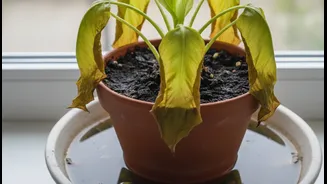
When roots are deprived of oxygen in waterlogged soil, they begin to decay. This creates the perfect breeding ground for fungi and bacteria, leading to a condition called root rot. Healthy roots are typically firm and white or light-colored. Rotted roots, however, turn brown or black, feel soft and mushy, and may even emit a foul, sour odor. One of the trickiest signs of root rot is that the plant's leaves will start to wilt and turn yellow, making it look thirsty. This often prompts well-meaning plant owners to water it even more, which only accelerates the decline. Once root rot sets in, the roots can no longer absorb water and nutrients, and the damage can quickly spread to the rest of the plant.
More Than Just Draining Water
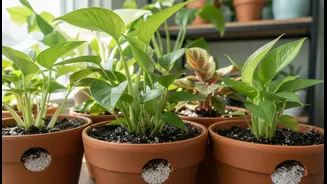
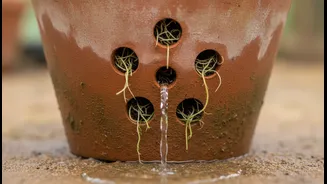
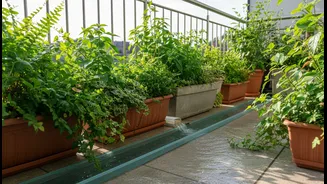
Drainage holes do more than just prevent water from pooling. They also play a vital role in flushing out excess salts and minerals that accumulate in the soil over time, especially from tap water and fertilizers. Without a way to escape, these salts can build up to toxic levels, leading to burnt leaf tips and stunted growth. Proper drainage allows you to water your plant thoroughly, ensuring all the soil gets moistened, while simultaneously washing away these harmful residues. This process helps maintain a healthier soil environment for the long term, promoting stronger and more efficient root growth.
What If Your Pot Has No Holes?
So, what do you do with that beautiful, hole-less pot you couldn't resist? You have a few options. The safest and most recommended method is to use it as a decorative cachepot. This means you keep your plant in its original plastic nursery pot (which has holes) and simply place it inside the decorative one. After watering, you can easily remove the inner pot, dump any excess water that has collected in the cachepot, and then put it back. This gives you the best of both worlds: great aesthetics without sacrificing your plant's health.
DIY Drainage Solutions
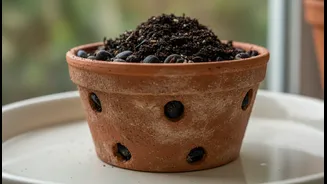
If you're feeling adventurous, you can drill your own drainage holes. Using a special diamond or masonry drill bit, you can carefully create holes in ceramic, glass, or terracotta pots. Another popular but less effective trick is to add a layer of gravel or rocks to the bottom of the pot. While this creates a small reservoir for water to collect, it doesn't actually remove the water from the pot and can still lead to a waterlogged environment over time. For this reason, most horticulturalists stand by the golden rule: either use a pot with a hole or use the cachepot method for a truly happy plant.