


Saturn Shines Brightly Before its Big Show
While Saturn’s opposition, when it's at its biggest and brightest for the year, is on October 4, 2026, it will be a brilliant object in the sky throughout late August. As Earth moves between the Sun and Saturn, the ringed planet becomes visible all night
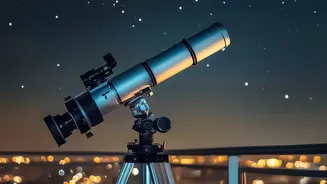
long, rising in the east around sunset and tracing a path across the sky. To the naked eye, it will appear as a steady, bright, yellowish-white point of light. You won’t see the rings without a telescope, but its brightness makes it an easy and rewarding target. Look for it in the constellation Cetus. It will be one of the most prominent 'stars' that doesn’t twinkle, a key giveaway that you are looking at a planet.
Catch the Fading Perseid Meteor Shower
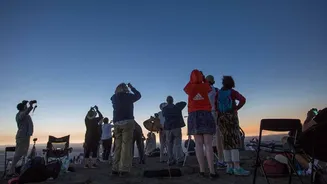
The famous Perseid meteor shower peaked around August 12-13, but its activity continues until about August 24. This means you can still catch some “shooting stars” in the last weeks of the month. The Perseids are known for producing bright, fast meteors that can leave glowing trails. For the best chance of spotting them, find a location away from city lights, ideally after midnight. Lie back, let your eyes adjust to the darkness for about 20-30 minutes, and look towards a wide patch of sky. While the peak rates of over 50 meteors per hour will have passed, patience might still reward you with a few dazzling streaks of light.
A Parade of Planets in the Morning
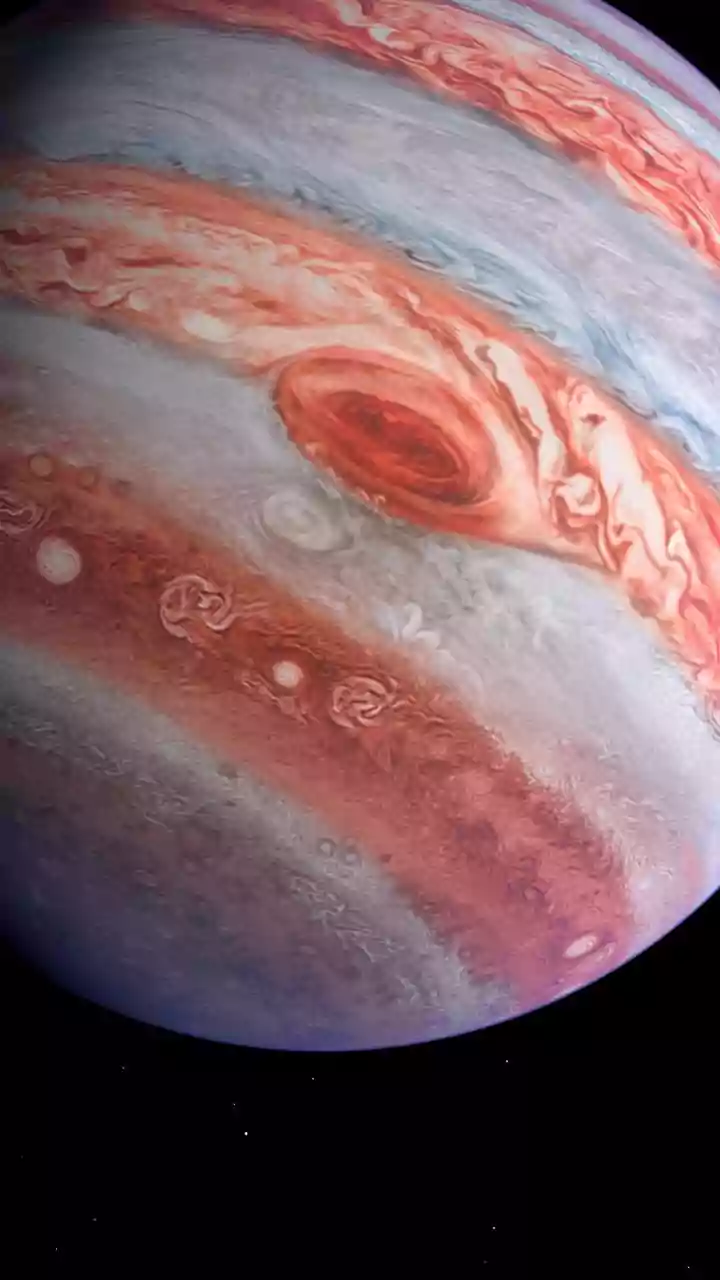
In mid-August, especially around the 12th and 13th, a lineup of planets graced the pre-dawn sky. Even later in the month, you can still spot some of these worlds. The best time to look is about 60 to 90 minutes before your local sunrise. Facing east, you might be able to spot several planets. Mars will be visible, appearing as a reddish point of light. Saturn will still be visible from the night before, setting in the west. Jupiter and Mercury will be very low on the eastern horizon, making them challenging but possible to see if you have a clear, unobstructed view without buildings or trees in the way.
Find the Summer Triangle High Overhead
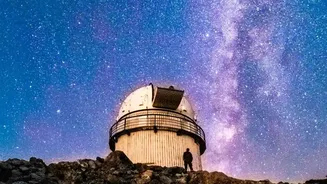
One of the easiest and most impressive patterns to find in the August night sky is the Summer Triangle. This is not a constellation, but an asterism—a large, simple shape made of three bright stars from three different constellations. The three stars are Vega (in the constellation Lyra), Deneb (in Cygnus), and Altair (in Aquila). On August evenings, the triangle will be high overhead for observers in India. Vega is the brightest of the three and one of the brightest stars in the entire night sky. Once you spot it, you can easily trace the vast triangle it forms with Deneb and Altair. It’s so large you can’t cover it with your outstretched hand. Under dark skies, you may even see the faint, misty band of the Milky Way passing through it.
Tips for the Best Viewing Experience
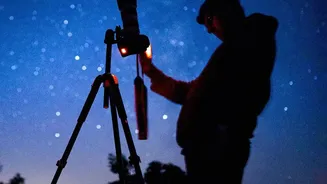
You don’t need any fancy gear, but a few simple preparations can make all the difference. First, get away from city lights. Light pollution washes out fainter stars and meteors, so a rural or suburban spot is best. Second, give your eyes time to adapt. It takes about 20-30 minutes for your eyes to become fully sensitive to low light, so avoid looking at your bright phone screen. Finally, be patient and comfortable. Use a reclining chair or lie on a blanket to avoid neck strain. Stargazing is a waiting game, so relax and enjoy the vastness of the cosmos above you.