






The King of Fruits Reigns Supreme
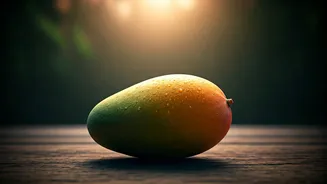
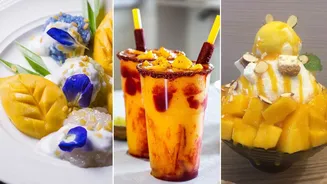
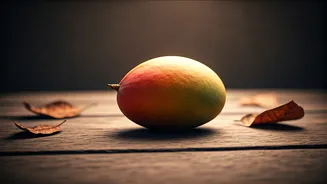
To call the mango a mere fruit in India is like calling the Super Bowl just another football game. It’s a national obsession, a cultural marker, and the undisputed ‘king of fruits.’ From late March through July, life revolves around its arrival. Markets
overflow with fragrant, jewel-toned pyramids of them. Family WhatsApp groups buzz with photos of the first purchase of the season. Debates over which variety is superior can fracture friendships, while the shared joy of eating one can mend them. This isn't just about food; it's an event woven into the fabric of summer. The mango appears in ancient Sanskrit texts, is a symbol of love and fertility, and its paisley-shaped form is a ubiquitous motif in Indian art and textiles. Its brief, glorious season is a period of pure, unadulterated joy.
A Delicious Regional Rivalry
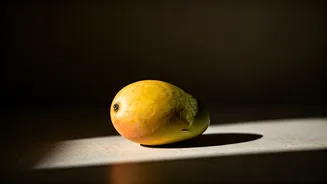
America has its East Coast vs. West Coast debates; India has its mango rivalries. The most famous contender is the Alphonso, or ‘Hapus,’ from the western states of Maharashtra and Gujarat. Known for its saffron-hued flesh, creamy texture, and near-total lack of fiber, it commands exorbitant prices and is a point of immense pride. But to someone from Uttar Pradesh in the north, the sweet, intoxicatingly fragrant Dasheri is the only mango worth discussing. In the south, the Banganapalli holds court, while the Gir Kesar from Gujarat, with its vibrant orange pulp and sweet-tart flavor, has its own legion of devotees. This isn't just about taste preference. It’s a matter of identity, of childhood memories tied to a specific flavor profile. Sending a box of your region's best mangoes to friends and family across the country is a love language understood by all.
A Season of Ritual and Memory
The mango obsession is deeply personal. It’s the memory of grandmothers soaking mangoes in buckets of cool water to temper their ‘heat.’ It’s the specific, practiced way each family cuts them—some in precise cubes, others in ‘cheeks’ to be scooped out with a spoon, and for children, often scored into a ‘hedgehog’ pattern. The season is a sensory explosion: the feel of a perfectly ripe mango, firm but with a slight give; the intoxicating scent that perfumes the entire house; and, of course, the sublime taste of that first bite, with juice inevitably dripping down your chin. No matter how old you are, eating a mango in India can transport you back to childhood summers. It’s a ritual that connects generations, a shared experience that transcends class and creed.
A Sweet and Satisfying Conclusion
This year, the season started with some anxiety. A delayed start and fluctuating weather patterns had many worrying about a sparse, expensive harvest. But as the season progressed, the supply steadied, and beloved varieties arrived in abundance, albeit a bit later than usual. The markets eventually hit their stride, offering a bumper crop that brought prices down to accessible levels for millions. For farmers, it was a sigh of relief. For consumers, it was a green light for indulgence. The national obsession could proceed as planned. As the monsoon rains now begin to wash over the subcontinent, signaling the natural end of the mango season, the feeling is one of contentment. The craving has been satisfied, the rituals honored, and the memories made. The sweet note on which the season ends isn’t just about the fruit itself, but the successful culmination of a cherished cultural tradition.