







The Rise of the ‘Clean Label’ Consumer
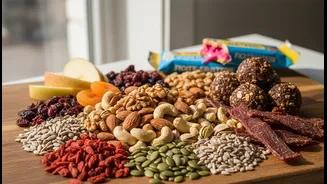
The driving force behind this shift is the demand for “clean labels.” While there's no official definition, it's a consumer-led push for products made with simple, natural, and easily recognizable ingredients. Indian consumers, particularly in urban centres,
are no longer just looking at the price; they're flipping over packages to read ingredient lists. This growing awareness, amplified by social media and a post-pandemic focus on health, means shoppers are actively avoiding artificial colours, preservatives, and chemical-sounding names. They are increasingly skeptical of heavily processed foods and want to know where their ingredients come from. This desire for transparency and authenticity is now moving from the supermarket aisle to the cafe menu.
Why the Backlash Against Artificial Sweeteners?
For years, artificial sweeteners like aspartame, sucralose, and saccharin were seen as a guilt-free way to enjoy sweetness without the calories. However, public perception is changing. Ongoing debates and a mix of scientific studies have raised consumer concerns about the long-term health effects of these synthetic substitutes, from their impact on gut health to potential links with metabolic issues. While regulatory bodies generally consider them safe in limited amounts, a growing number of health-conscious individuals prefer to err on the side of caution. This sentiment is particularly strong among younger, wellness-oriented demographics who prioritize natural and holistic lifestyles. The preference is shifting away from lab-created chemicals towards ingredients perceived as more wholesome and less processed.
A Challenge and Opportunity for Cafes
For urban cafes, this trend presents both a challenge and a significant opportunity. The word “force” in the headline is apt; many cafe owners feel pressured by a combination of direct customer requests and the need to stay competitive in a crowded market. Switching to natural alternatives isn't always simple. Natural sweeteners like stevia, monk fruit, coconut sugar, and jaggery can be more expensive than their artificial counterparts, affecting a cafe’s bottom line. Recipes may need to be reformulated to account for different levels of sweetness and flavour profiles. However, embracing the clean label trend is also a powerful branding tool. Cafes that remove artificial ingredients can market themselves as healthier, more premium choices, attracting a loyal clientele willing to pay more for products they trust.
The New Sweeteners on the Block
As artificial options fade, a diverse range of natural sweeteners is taking their place. Plant-based, zero-calorie sweeteners like stevia and monk fruit are gaining immense popularity in India, valued for being diabetic-friendly and not impacting blood sugar levels. There is also a strong return to traditional Indian sweeteners. Jaggery (gur) and palm sugar are being celebrated for their unrefined nature and mineral content, adding an earthy, caramel-like flavour to coffees and teas. Other options like date syrup, honey, and coconut sugar are also appearing on menus, each offering a unique taste and a perceived health halo that resonates with the clean-eating ethos. These alternatives align perfectly with the cultural appreciation for Ayurveda and natural ingredients.