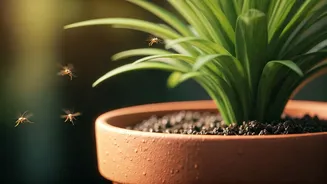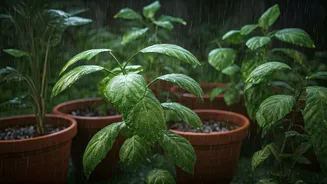





Start With a Strong Defence
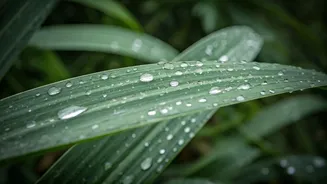
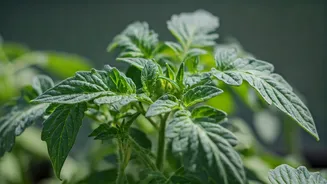
The first rule of pest-proofing is that healthy plants are naturally more resilient. Pests often target weak or stressed plants, so building a strong foundation is your best defence. It starts with the soil. Enriching your soil with compost and ensuring
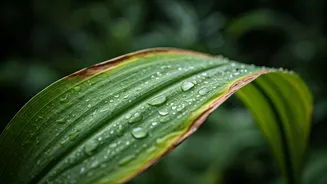
it's well-draining gives your plants the nutrients they need to thrive. Proper watering is also crucial; watering at the base of plants in the morning helps prevent fungal diseases that can weaken them and attract insects. Finally, make sure you're not over-fertilising, especially with nitrogen, as the resulting lush, soft growth can be an open invitation for pests like aphids and mites.
The Buddy System: Companion Planting
One of the smartest strategies, widely shared in the gardening 'group chat', is companion planting. This involves growing certain plants together for mutual benefit. Aromatic herbs and flowers can confuse or repel pests, protecting their vegetable neighbours. The classic trio is tomato, basil, and marigold. Basil is known to repel aphids and whiteflies from tomatoes. Marigolds are champions at deterring nematodes in the soil and warding off whiteflies. Other powerful pairings for Indian gardens include planting chillies with garlic chives to deter mites, or okra next to marigolds to keep aphids at bay. It’s a natural, beautiful, and effective way to reduce pest problems significantly.
DIY Sprays From Your Kitchen
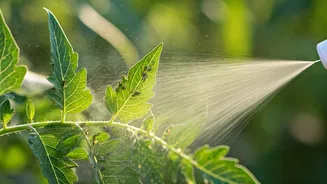
When you need to take direct action, you don't have to reach for harsh chemicals. Your kitchen likely holds the ingredients for several potent, organic pest control sprays. Neem oil, extracted from the neem tree native to India, is a powerful tool. It disrupts the lifecycle of over 200 types of insects but is generally safe for beneficial bugs like bees and ladybirds. A standard recipe is to mix 5ml of neem oil and a few drops of mild liquid soap (which acts as an emulsifier) into one litre of warm water. Spray this solution on the tops and undersides of leaves in the evening to avoid burning the foliage. For another simple repellent, a garlic and chilli spray works wonders against aphids and caterpillars.
Create a No-Entry Zone
Sometimes, the most straightforward solution is a physical one. Creating barriers can effectively block pests from ever reaching your precious plants. Fine mesh netting or floating row covers are excellent for shielding crops from flying insects, caterpillars, and even birds without blocking sunlight or water. For crawling pests like slugs and snails, which can be a nuisance especially during the monsoon, you can place copper tape around the rims of your pots or raised beds. Sprinkling coarse eggshells or wood ash around the base of plants can also deter these soft-bodied invaders. Another simple but effective tool is the yellow sticky trap, which can help you monitor and control populations of whiteflies, aphids, and fungus gnats.
Invite the Good Bugs to the Party
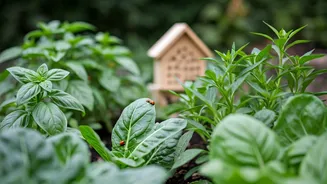
Not all insects are your enemy. In fact, inviting beneficial insects into your garden creates a self-regulating ecosystem where predators keep pest populations in check. Ladybugs are famous for their voracious appetite for aphids, while their larvae can eat thousands in their lifetime. Lacewing larvae, often called 'aphid lions', also devour pests like mealybugs and mites. You can attract these helpful allies by planting flowers they love. Small, clustered flowers like dill, coriander, cosmos, and marigolds provide the nectar and pollen that beneficial insects need to thrive. Providing a shallow dish of water with some pebbles for them to land on ensures your new security team will stick around.