





Understanding the Digital Media Loan
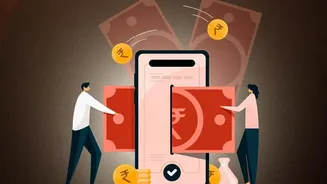
A 'digital media loan' is not a single, universal product but a category of financing tailored for the creator economy. These are essentially business or personal loans offered by banks, Non-Banking Financial Companies (NBFCs), and fintech platforms to self-employed
professionals like YouTubers, podcasters, and social media influencers. Unlike traditional loans that often require a physical storefront or conventional employment, lenders are increasingly recognising the business of content creation. They assess your eligibility based on financial records like bank statements, ITR filings, and platform payouts, focusing on income stability and credit history rather than just follower counts.
What These Loans Can Cover
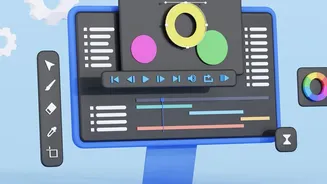
The primary purpose of these loans is to cover the upfront costs associated with producing high-quality digital content. This directly addresses one of the biggest hurdles for creators aiming to professionalise their work. Funds can be used for a wide range of essential expenses, including investing in professional equipment like cameras, microphones, and lighting gear. You can also finance the purchase of high-performance computers and subscriptions to essential editing software. Beyond the tech, these loans can cover costs for setting up a home studio, marketing and promotion campaigns, and even collaborating with other professionals to elevate your content.
Are You Eligible? Key Criteria for Creators
Lenders in India evaluate creators based on a combination of factors that prove you run a viable, albeit modern, business. Generally, you need to be an Indian resident between the ages of 21 and 65. While specific requirements vary, many fintech lenders look for a minimum monthly income, which could be around ₹25,000, and a healthy credit score of 700 or more. Lenders will ask for proof of income through bank statements for the last 6-12 months, ITR filings for the past couple of years, and sometimes, GST registration if your turnover is significant. A well-prepared business plan or a detailed project proposal outlining your content strategy and revenue projections can significantly strengthen your application.
How to Apply: A Step-by-Step Guide
The application process, especially with modern fintech lenders, is designed to be fast and digital. The first step is to get your documents in order. This includes your PAN card, Aadhaar card, proof of address, and all your financial records like bank statements and ITRs. Next, research potential lenders. While traditional banks offer MSME loans, specialised NBFCs and digital lenders like DMI Finance, IIFL, and Home Credit might offer products more attuned to creators. Many have fully online application portals where you upload your documents, complete e-KYC, and receive a decision within a few days. It's crucial to avoid applying to multiple lenders simultaneously, as this can negatively impact your credit score.
Exploring Alternative Financing Options
A formal loan isn't the only way to fund your creative projects. For smaller, specific needs, an equipment finance loan focuses solely on funding your gear purchases. Government-backed initiatives like the MUDRA scheme can also be an excellent option, offering funds from ₹50,000 up to ₹10 lakh under its 'Shishu' and 'Tarun' tiers for small entrepreneurs, including creators. For established creators with consistent AdSense revenue, some platforms offer advances on future earnings. Finally, a standard personal loan can also be used for these purposes, often with a quick disbursal process, though interest rates and terms may differ from a dedicated business loan.