



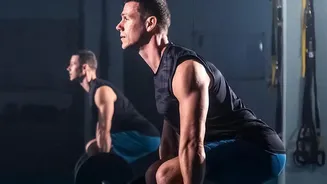
A Shift from Aesthetics to Ability
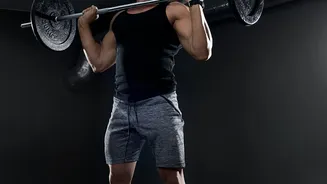
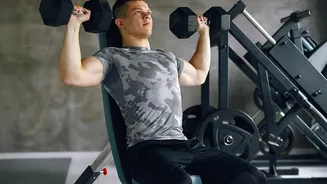
For years, the term 'strength training' conjured images of bodybuilders flexing in front of mirrors. The goal seemed to be purely aesthetic: bigger muscles and a perfectly sculpted physique. But a significant cultural shift is underway. Everyday people,
from young professionals to active seniors, are picking up weights with a different purpose in mind. The focus is no longer on looking a certain way, but on feeling a certain way: capable, energetic, and resilient. This new wave is all about functional fitness—training that enhances your ability to perform daily tasks with ease, whether it's lifting groceries, playing with your children, or simply getting up from a low chair without a struggle. It’s a move away from training for the mirror and toward training for life.
Beyond Biceps: The Real-World Benefits
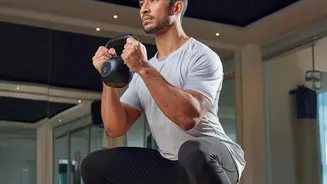
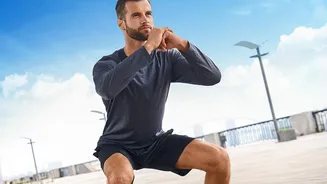
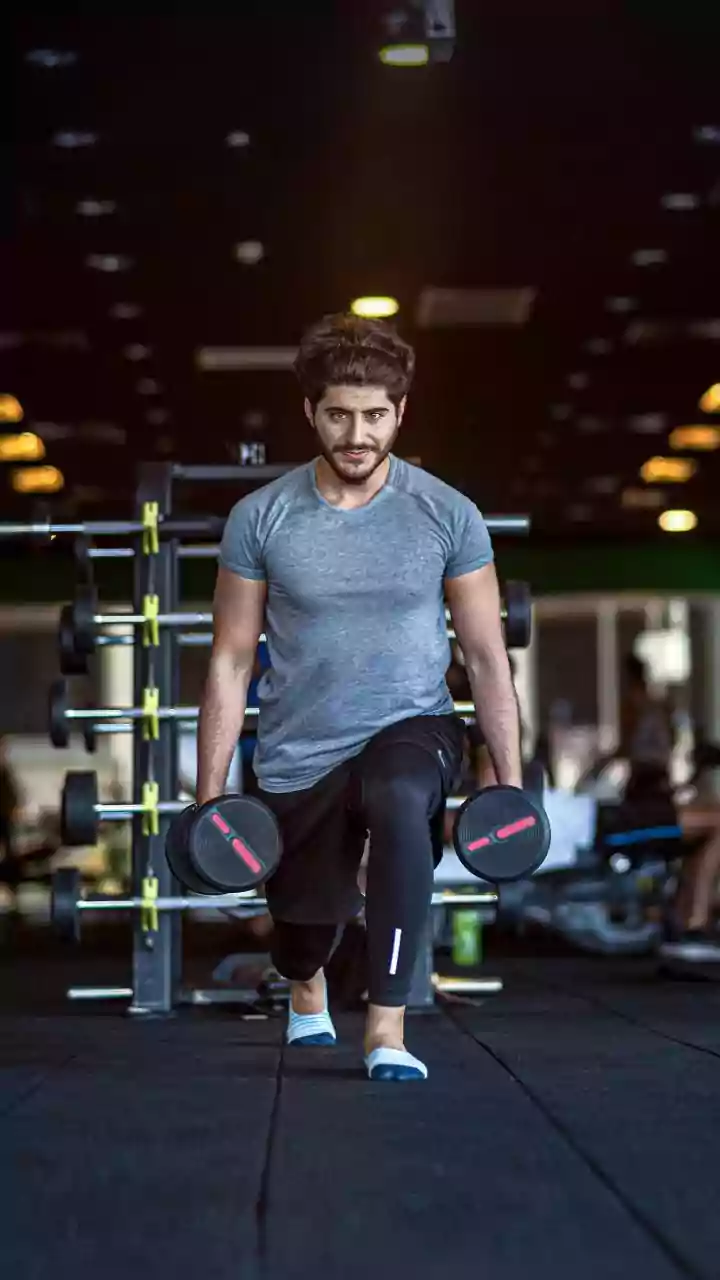
The true magic of strength training for the average person lies in its practicality. Unlike bodybuilding, which often isolates specific muscles, functional strength exercises like squats, lunges, and rows train muscles to work together, mimicking real-world movements. This integrated approach improves not just strength, but also balance, coordination, and stability, which can help prevent injuries in daily life. Regular resistance training also gives your metabolism a gentle but sustained boost. Muscle tissue burns more calories at rest than fat tissue, so building even a modest amount of lean muscle can help with long-term weight management. Essentially, you're building a more efficient engine for your body.
Debunking the Biggest Myths
Several persistent myths often stop beginners, especially women, from starting. The most common fear is 'getting too bulky'. The reality is that building significant muscle mass is incredibly difficult and requires a specific, intense training and nutrition regimen that most people don't follow. For most, strength training creates a leaner, more toned physique. Another myth is that it’s dangerous or only for the young. In fact, when done with proper form, strength training is incredibly safe and beneficial at any age. It's particularly important for older adults as it can significantly increase bone density, helping to fend off osteoporosis and reduce the risk of falls. Many also believe they are 'too weak' to start, but the beauty of resistance training is that it's infinitely scalable. You can start with no weight at all, using just your body's resistance, and gradually progress.
A Boost for Your Mind, Not Just Your Body
The advantages of getting stronger extend far beyond the physical. A growing body of research shows that resistance training has profound mental health benefits. It's been proven to be a powerful tool for reducing symptoms of anxiety and depression, sometimes as effectively as medication for mild to moderate cases. The act of lifting weights releases mood-boosting neurotransmitters like endorphins and serotonin. Furthermore, the focus required during a workout provides a form of active mindfulness, offering a mental break from daily stressors. Achieving new personal bests, no matter how small, also provides a tangible sense of accomplishment that can boost self-esteem and confidence in all areas of life.
How to Take Your First Step
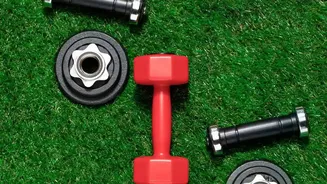
Getting started is simpler than you think. You don't need a gym membership or a rack of heavy weights. Begin by mastering basic bodyweight movements at home, like squats, push-ups (which can be done against a wall to start), lunges, and planks. Focus on learning the correct form before anything else; a few well-executed reps are far better than many sloppy ones. Aim for consistency over intensity, starting with just two sessions a week. As you get more comfortable, you can introduce light dumbbells or resistance bands. The key is to start small and listen to your body. Every person in the gym who looks like they know what they're doing was once a beginner, too.