






Decoding the Weather Window
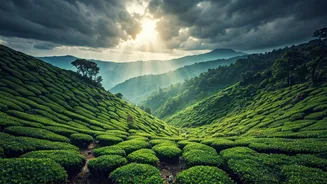
Timing your trip to the Northeast is crucial, and it almost entirely revolves around the monsoon. The region experiences intense rainfall from roughly June to September. As of early July 2026, heavy monsoon rains have already caused significant disruptions,
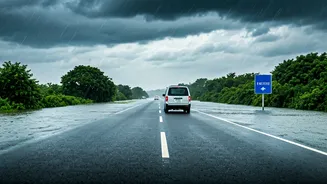
leading to flash floods and landslides in states like Arunachal Pradesh and Assam. According to the India Meteorological Department (IMD), widespread rainfall is expected to continue across the region, with specific warnings issued for multiple states. This isn't just a minor inconvenience; heavy downpours can lead to impassable roads, disrupt train services, and make many scenic areas inaccessible. The post-monsoon period, from October to April, is generally considered the best time to visit, offering clearer skies and more stable conditions. However, even within this window, weather in the hilly terrain can be unpredictable. Always check local forecasts right before and during your travel.
Navigating the Roads
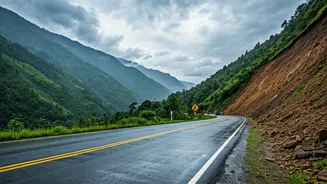
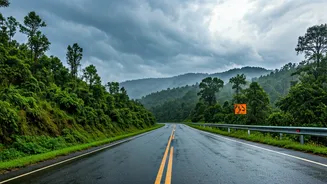
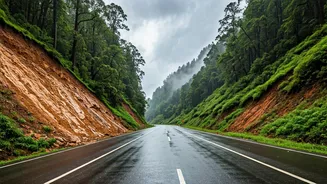
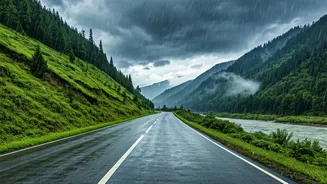
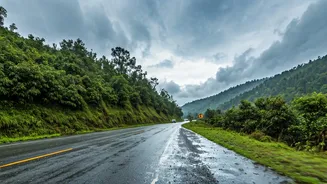
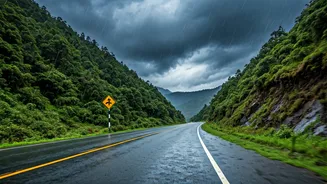
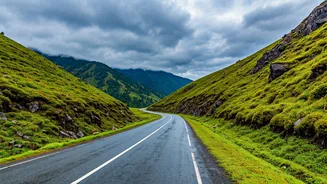
The journey is often the destination in the Northeast, but it can be a demanding one. While infrastructure is improving, road travel remains a challenge. The mountainous terrain makes the region prone to landslides, especially during and immediately after heavy rain. Recent reports from June and July 2026 confirm multiple road blockages and damage to national highways, including NH-13 in Arunachal Pradesh. Key road stretches have been washed away, severing connectivity between major towns and leaving commuters stranded. It's not uncommon for a seemingly short distance on a map to take several hours to cover due to winding roads and potential blockages. For this reason, many travellers opt for 4x4 vehicles and experienced local drivers. Before setting out, especially on routes through places like Arunachal Pradesh, Sikkim, or Nagaland, it's vital to get real-time updates on road conditions from local authorities or your tour operator.
The Most Important Item to Pack: Patience
The third, and perhaps most crucial, element for a successful trip to the Northeast is patience. Unpredictable weather and road conditions mean delays are not just possible, but probable. A landslide can block a road for hours, or even days, completely upending a tightly packed itinerary. Train services can be suspended due to track damage from erosion, as seen in Assam recently. Power cuts can be common, and mobile connectivity might be non-existent in more remote areas. Rather than viewing these as frustrations, a better approach is to build flexibility into your plan. Add buffer days to your schedule, don't try to cram too many destinations into one trip, and be prepared for plans to change. Engaging with the local way of life, where things move at a different pace, is part of the experience. Opting for homestays can be a great way to not only manage costs but also gain local insights and hospitality, making unexpected downtime more enjoyable.
Smart Preparations for a Smoother Journey
A little preparation goes a long way. Given the current weather alerts, authorities are advising the public to avoid unnecessary travel and stay away from landslide-prone areas and riverbanks. If travel is essential, doing so during daylight hours is strongly recommended. Pack a comprehensive kit that includes a raincoat, waterproof bags for documents and electronics, a power bank, a first-aid kit, and any essential medications. It is also wise to carry some dry snacks and water. Given the potential for getting stranded, having physical or offline copies of your travel documents, hotel vouchers, and emergency contacts is a must. Some states, like Arunachal Pradesh and Sikkim, require special permits for entry, so ensure your paperwork is in order well in advance. Focusing on one or two states, like the more accessible Assam and Meghalaya, can be a more manageable and rewarding experience for first-time visitors.