
From Waste to Wonder
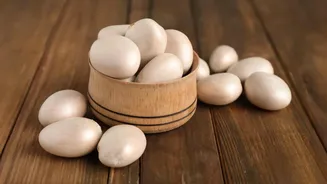
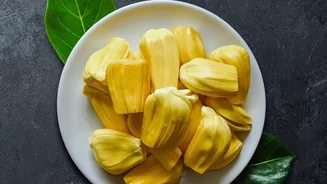
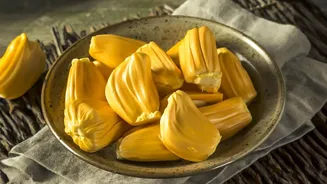
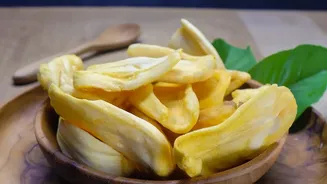
For ages, the large, starchy seeds of the jackfruit have been an afterthought, often discarded during processing. In India, while some communities boil or roast them, a vast majority end up as food waste. This is where upcycling comes in. Upcycling transforms
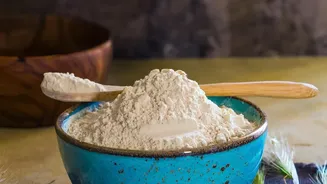
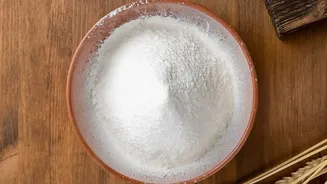
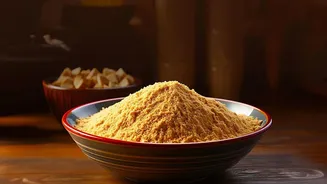
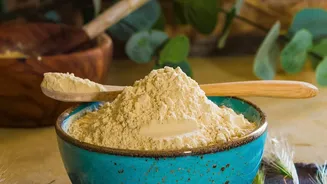
these by-products into a valuable new ingredient: jackfruit seed flour. The process is simple yet ingenious—seeds are cleaned, dried, and ground into a fine, versatile powder. This not only tackles the environmental problem of food waste but also unlocks a powerhouse of nutrition that was previously overlooked.
A Nutritional Powerhouse for Your Pantry
So, what makes this flour so special for health-conscious bakers? It’s packed with benefits. First, it's naturally gluten-free, making it an excellent choice for those with celiac disease or gluten sensitivity. Its nutritional profile is impressive, boasting high levels of protein, dietary fibre, and resistant starch, which acts as a prebiotic to support gut health. Compared to many other gluten-free flours like rice or tapioca, it's significantly higher in protein. It is also a good source of essential minerals like potassium, magnesium, and iron, along with B vitamins such as thiamine and riboflavin. This combination of nutrients helps promote better digestion, manage blood sugar levels, and provides a more satisfying, balanced energy source.
The Ultimate Eco-Friendly Ingredient
The 'upcycled' aspect is what truly appeals to the eco-conscious foodie. Jackfruit processing generates significant waste, with seeds accounting for up to 15% of the fruit's total weight. By turning this waste into flour, we embrace a circular economy, reducing the burden on landfills and making our food systems more sustainable. This approach is a clear example of valorisation—the process of converting waste materials into more useful, higher-value products. Choosing upcycled jackfruit seed flour means you're not only making a healthy choice for your body but also a responsible one for the planet.
How to Use It in Your Kitchen
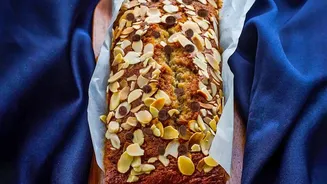
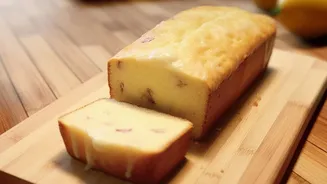
Integrating jackfruit seed flour into your baking is surprisingly easy. It has a mild, slightly nutty flavour that doesn't overpower other ingredients, making it suitable for both sweet and savoury dishes. Studies and home bakers have found success substituting it for a portion of wheat flour in recipes for bread, cookies, and cakes, often around 10-25%. Doing so can increase the protein and fibre content of your baked goods. It also works well as a thickener for soups and stews or as the base for gluten-free flatbreads and pancakes. Its excellent water and oil absorption properties can lead to better texture and moisture retention, combating the dryness sometimes found in gluten-free baking.