



The Promise of Perfection
VAR was introduced with a clear and noble mission: to eliminate the kind of clear and obvious errors that could wrongly decide a match and become infamous moments in football history. At the 2026 World Cup, there were undeniable instances where it succeeded.
A study before the tournament found that VAR increased the accuracy of refereeing decisions from 92.1% to 98.3%. This was evident in several key moments, such as a mistaken identity case where a yellow card was correctly transferred from one player to another after a review, ensuring the right person was cautioned. Fans of the system point to these moments as proof that, despite its flaws, VAR is a necessary tool. It catches what the human eye misses, corrects game-changing mistakes, and ultimately pursues a fairer version of the sport. The goal is to stop blatant injustices, like a clear offside goal being allowed or a vicious tackle going unpunished.
The Thief of Joy
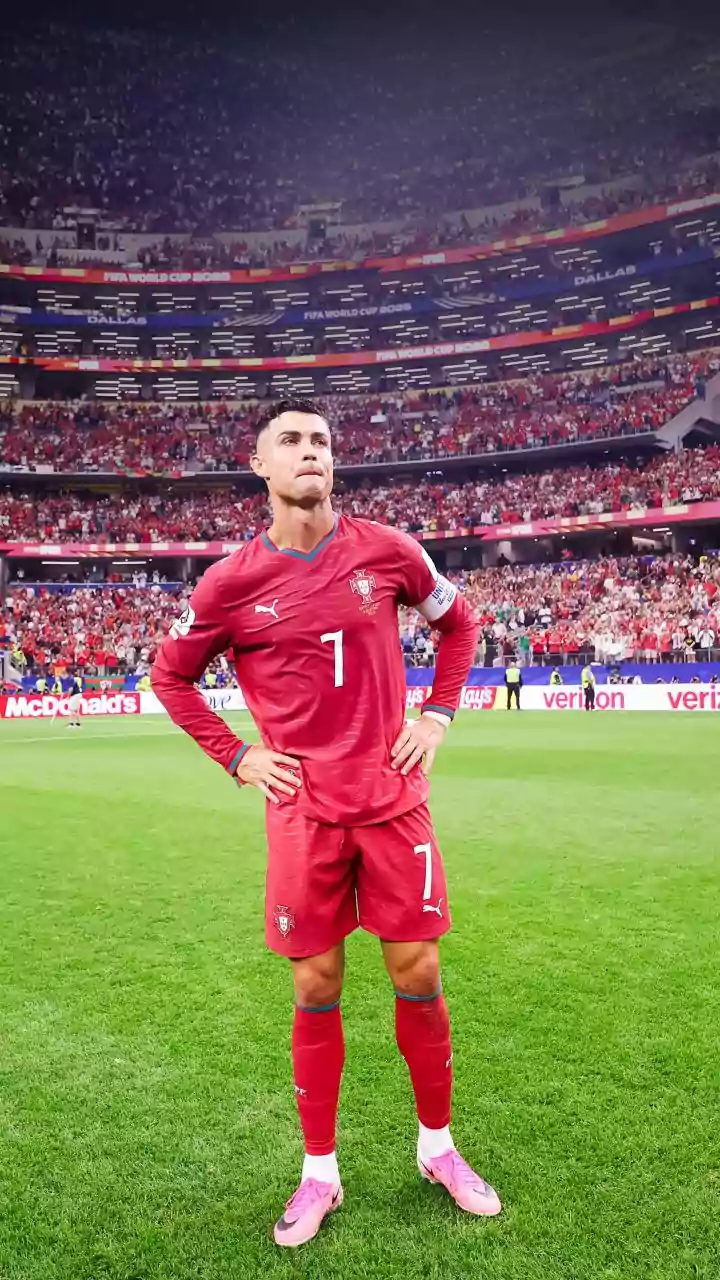
For every corrected call, however, a storm of controversy followed. Critics argue that VAR, especially in 2026, has become a 'joy denial device'. The system's application often led to excruciatingly long delays, leaving players and millions of fans in a state of suspended animation, afraid to celebrate a goal until a lengthy check was completed. This waiting game kills the momentum and spontaneous passion that defines football. The most derided moments often involved the semi-automated offside technology. Goals were disallowed for margins as small as a toe or an elbow, decisions that were technically correct but felt spiritually wrong to many. One of the tournament's most talked-about incidents saw Croatia eliminated after a last-minute equalising goal against Portugal was chalked off because a sensor in the ball detected an imperceptible touch from a player's hair, rendering a teammate offside.
The Subjectivity Problem
While offside is a factual decision, many of the biggest arguments during the World Cup stemmed from subjective calls, like fouls and handballs. The official VAR protocol is to only intervene for a 'clear and obvious error', but what constitutes 'clear and obvious' remained a source of intense debate. In a group stage match between England and Ghana, a penalty appeal for a clear foul on a Ghanaian player was denied by the on-field referee, and VAR did not intervene, leading Ghana's coach to quip that the officials must have 'gone for a coffee'. Conversely, a decisive penalty was given to Belgium against Senegal for contact so faint it was barely visible in slow motion. These inconsistencies fuelled accusations of bias and led many to feel that VAR simply replaced one controversy (a missed call on the field) with another (a debatable video intervention).
The 'VARgentina' Conspiracy
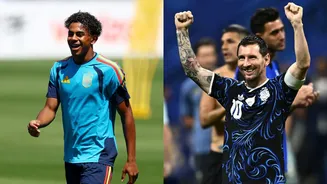
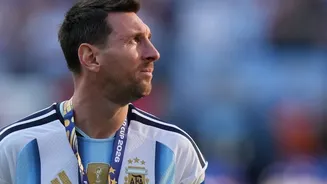
No team was more central to the VAR debate than the defending champions, Argentina. A series of calls in their favour, particularly in a dramatic 3-2 comeback win against Egypt in the round of 16, ignited a firestorm of conspiracy theories. Egypt had a second goal disallowed by VAR for a minor foul that occurred nearly a minute earlier and 100 yards away from the goal. The incident, coupled with other decisions, led Egypt's coach, Hossam Hassan, to question if FIFA wanted to keep Lionel Messi in the tournament. The tag 'VARgentina' trended online, with millions signing a petition to have Argentina disqualified. While data analysts noted that statistics alone do not prove bias, the perception of favouritism became a defining, and damaging, narrative of the tournament's latter stages.