







The Irresistible Pull of a Good Bargain
The most straightforward reason for this shift is affordability. Street markets across cities like Delhi, Mumbai, and Bengaluru are treasure troves for budget-conscious consumers. Here, you can find trendy apparel, accessories, and home decor for a fraction
of the price you would pay at a branded store. For many, especially students and young professionals, markets like Delhi’s Sarojini Nagar or Mumbai’s Fashion Street are essential for keeping up with the latest trends without breaking the bank. The culture of bargaining is an integral part of the experience; it’s an interactive, sometimes theatrical, engagement between buyer and seller that makes the final purchase feel like a personal victory. This contrasts sharply with the fixed-price environment of formal retail, making street shopping not just cheaper, but also more engaging.
A Quest for Uniqueness and Authenticity
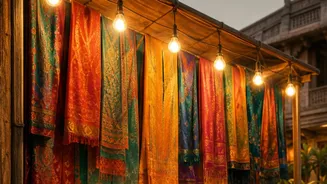
Beyond price, street markets offer something increasingly rare in a world of mass production: uniqueness. While malls provide a uniform selection of global and national brands, local bazaars are where you find one-of-a-kind items. These could be handcrafted jewellery from a local artisan, traditional textiles reflecting a region's heritage, or quirky decor pieces that tell a story. Markets such as Jaipur's Johari Bazaar, famous for its gems and Kundan sets, or Hyderabad's Laad Bazaar with its dazzling bangles, offer products deeply rooted in local culture. This search for authenticity has become a significant driver for modern consumers who want their purchases to have character and a sense of place, something that a generic mall experience often cannot provide.
An Experience That Engages All Senses
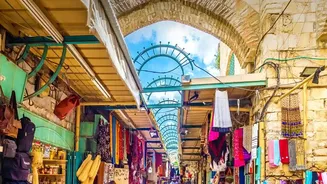
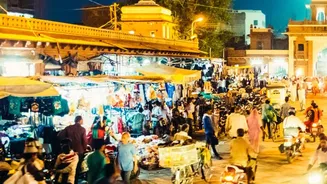
Shopping at a local market is a full-sensory experience. It’s a world away from the sterile, predictable environment of a shopping mall. The air is filled with the aroma of street food from vendors lining the lanes, from chaat to corn on the cob. The soundscape is a lively mix of vendors calling out to customers, the chatter of fellow shoppers, and the general buzz of a community hub. The visual appeal is undeniable, with a riot of colours from textiles, trinkets, and fresh produce. This vibrant, and at times chaotic, atmosphere is precisely the charm. It turns a simple shopping trip into an exploration and a memorable outing.
The Power of the Human Connection
In an increasingly digital and impersonal world, street markets offer a refreshingly human touch. Shopping here involves direct interaction with the vendors, who are often small entrepreneurs or the artisans themselves. Over time, shoppers can build relationships with their favourite sellers, leading to a level of trust and personalised service that is hard to replicate in larger retail formats. This connection allows customers to learn the stories behind the products they buy, fostering a sense of community and supporting local economies directly. Many conscious consumers find this aspect particularly rewarding, as they know their spending is helping to sustain small businesses and preserve traditional crafts.