





Beyond Traditional Vegetarianism
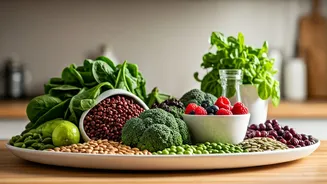
For generations, a significant portion of India has followed a vegetarian diet rooted in culture and religion. However, the term ‘plant-based’ signifies a different, more intentional approach. It often refers to a diet centred on whole, minimally processed
plant foods, and frequently overlaps with veganism—the exclusion of all animal products, including dairy, eggs, and honey. While traditional vegetarianism comfortably includes staples like ghee, paneer, and curd, the modern plant-based eater is more likely to be seeking out almond milk for their coffee, oat-based ice cream, or a burger made from jackfruit.
The New Drivers: Health and Wellness
The primary engine behind this trend is a growing consciousness around health, particularly among urban millennials and Gen Z. The post-pandemic world has amplified concerns about immunity, lifestyle diseases, and overall well-being. Consumers are increasingly reading labels and questioning the impact of processed foods and animal products on their health. Documentaries on streaming platforms highlighting the benefits of plant-centric diets have also played a significant role in educating and influencing a new generation of health-conscious Indians who view food as a tool for proactive self-care.
A Boom in Homegrown Alternatives
This rising demand has fuelled a dynamic startup ecosystem. A few years ago, finding plant-based meat or dairy alternatives was a challenge. Today, supermarket shelves and e-commerce sites are stocked with innovative products from Indian brands. Companies like Blue Tribe Foods, Shaka Harry, and GoodDot are creating plant-based versions of keema, sausages, and chicken nuggets using ingredients like soy, pea protein, and jackfruit. Similarly, the dairy-free market has exploded with options beyond imported soy milk, including locally produced milks, cheeses, and yoghurts made from oats, almonds, and cashews.
Rise of the 'Flexitarian'
The trend isn't just about a mass conversion to veganism. A large part of the movement is driven by ‘flexitarians’—people who still consume meat and dairy but are actively looking to reduce their intake. They might opt for a plant-based meal a few times a week or switch to non-dairy milk in their daily chai. This flexible approach makes the trend more accessible and less intimidating, creating a much larger potential market than strict veganism alone. It's less about rigid ideology and more about making conscious, incremental changes for personal and planetary health.
Environmental and Ethical Considerations
Alongside health, awareness about the environmental impact of industrial animal agriculture is growing. Younger Indians, in particular, are connecting their consumption choices to global issues like carbon emissions, water usage, and animal welfare. The ethical argument against animal cruelty, once a niche concern, is becoming more mainstream. For this demographic, choosing a plant-based option is not just a dietary choice but a statement of values and a vote for a more sustainable and compassionate food system.
Challenges and the Road Ahead
Despite the rapid growth, the movement faces hurdles. Price remains a significant barrier, as many plant-based alternatives are more expensive than their conventional counterparts. Taste, texture, and achieving the specific flavour profiles of beloved Indian dishes are ongoing challenges for food tech companies. Furthermore, deep-seated culinary traditions and the cultural significance of dairy in Indian cuisine mean that widespread adoption will be a gradual process. The journey is not one of replacement, but of integration, offering consumers more choices rather than demanding they abandon old favourites.