







Before You Leave: Check the Alerts
The first step to a safe journey is knowing what you're up against. Before heading out, always check the latest weather updates. The India Meteorological Department (IMD) frequently issues colour-coded alerts (like orange or red) for heavy rainfall across
different regions. These advisories are your best source of information on the intensity and duration of expected downpours. Following official sources on social media and using reliable weather apps can also provide real-time information on storms, waterlogging, and traffic disruptions. Several airlines and railway authorities issue their own advisories during severe weather, urging passengers to check the status of their service before starting their journey.
On the Road: Prepare Your Vehicle and Drive Smart
Your car is your first line of defence on wet roads. Ensure it is monsoon-ready. Check your tyres for adequate tread depth to prevent hydroplaning, where your car loses contact with the road. Test your brakes, wipers, and all lights. Wet roads can nearly double your braking distance, so slow down and maintain a safe gap from the vehicle in front. If you encounter a waterlogged street, assess the depth before proceeding; it's often best to turn around. Water above the centre of your wheels can be enough to make you lose control or stall your engine. If you must drive through, do so in a low gear with steady, slow momentum to prevent water from entering the exhaust. Avoid sudden braking and try to drive towards the centre of the road, where the water is often shallowest.
Public Transport: Expect Delays
Heavy rain severely impacts public transport. In cities like Mumbai, local train services, the city's lifeline, often run with significant delays or are suspended entirely due to waterlogged tracks. Recent incidents have shown that even key inter-city routes, like the Mumbai-Pune line, can be shut down due to landslides, leading to multiple train cancellations. Buses may be rerouted to avoid flooded areas, leading to longer travel times and overcrowding. If you rely on public transport, plan to leave much earlier than usual, have alternative routes in mind, and follow the official social media handles of railway divisions and city transport services for the latest updates on cancellations and diversions.
Air Travel: Stay Updated and Pack Smart
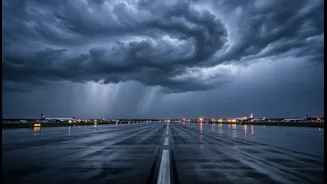
Monsoons are a challenging time for air travel. Heavy rain, strong winds, and poor visibility can lead to significant flight delays, diversions, and cancellations at major airports like Mumbai and Delhi. Airlines often issue travel advisories during periods of severe weather, urging passengers to confirm their flight status before heading to the airport. If you're flying during the monsoon, it's wise to allow extra time to get to the airport, as road traffic will likely be slow. Pack essential items like medications, a change of clothes, and a power bank in your carry-on luggage. This ensures you have necessities with you in case your flight is delayed overnight or you face a long wait at the terminal.
Your Monsoon Travel Essentials
A little preparation goes a long way in making your monsoon journey more manageable. Always carry a 'monsoon kit' with you. This should include a sturdy umbrella and a raincoat. Keep your electronic devices, including your phone, wallet, and important documents, in waterproof bags or pouches to protect them. A fully charged power bank is non-negotiable, as you may need your phone for updates and communication during long delays. Good footwear with a strong grip is essential to avoid slipping on wet, slick surfaces at stations or on pavements. Finally, carrying a bottle of drinking water and some non-perishable snacks can be a lifesaver during unexpected, long waits.