


The Squat: Build Your Foundation
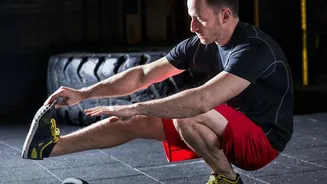
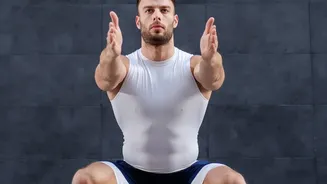
The squat is perhaps the most fundamental movement of all. Every time you sit down in a chair and stand back up, you’re performing a squat. It’s the pattern you use to lift a heavy box off the floor correctly. Training your squat builds a powerful lower
body and a resilient core, which are essential for everything from carrying children to maintaining mobility as you age. By strengthening your legs and glutes in this foundational pattern, you protect your back from taking on loads it isn't meant to handle. Start with bodyweight squats to master the form, focusing on keeping your chest up and heels on the ground. For a challenge, a Goblet Squat (holding a dumbbell or kettlebell at your chest) is an excellent way to add weight while maintaining good posture.
The Hinge: Protect Your Back
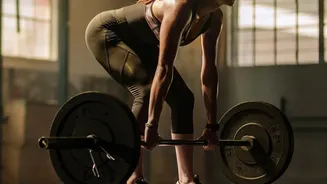
Bending over to pick something up is a daily occurrence, but doing it incorrectly is a primary cause of back pain. The hip hinge is the body's proper pattern for bending and lifting. Instead of rounding your spine, the hinge involves sending your hips backward while keeping your back straight. This engages your powerful hamstrings and glutes to do the work. Mastering the hinge is crucial for long-term spinal health. Great exercises to train this pattern include the Romanian Deadlift, where you lower a barbell or dumbbells by pushing your hips back, and the explosive Kettlebell Swing, which builds power throughout your entire posterior chain.
The Push: Develop Upper Body Power
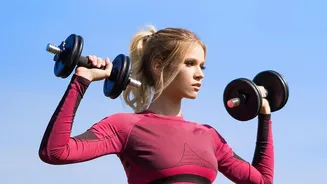
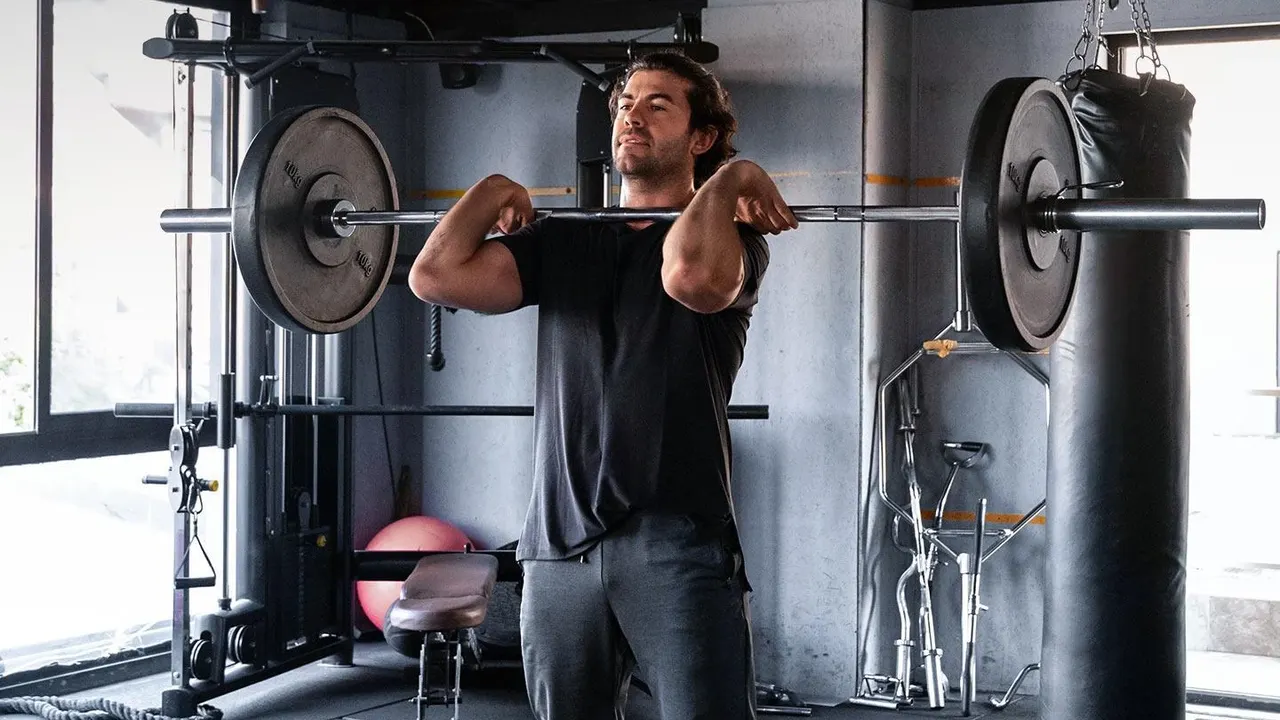
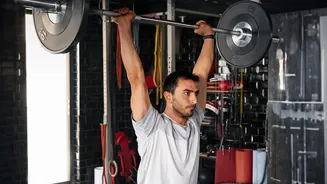
From pushing a heavy door to getting yourself up from the ground, the push is a vital upper-body movement pattern. Pushing exercises can be divided into two main categories: horizontal (pushing away from your chest) and vertical (pushing overhead). Both are important for balanced shoulder strength and stability. The classic Push-Up is one of the most effective horizontal pushing exercises, engaging your chest, shoulders, triceps, and core simultaneously. For vertical pushing, the Dumbbell Overhead Press is a great option that allows for a natural range of motion and helps build shoulder strength for tasks like placing items on a high shelf.
The Pull: Create Balance and Strength
For every push, there must be a pull. Pulling movements are critical for postural balance, helping to counteract the slouching that can come from sitting at a desk or looking at a phone. Pulling actions are part of daily life, from starting a lawnmower to opening a heavy door or pulling yourself up. Training this pattern strengthens your back, biceps, and grip. The Bent-Over Dumbbell Row is a fantastic exercise for building a strong upper back. If you have access to a gym, Pull-Ups (or their assisted variations like the Lat Pulldown machine) are the ultimate test of pulling strength.
The Lunge: Master Single-Leg Stability
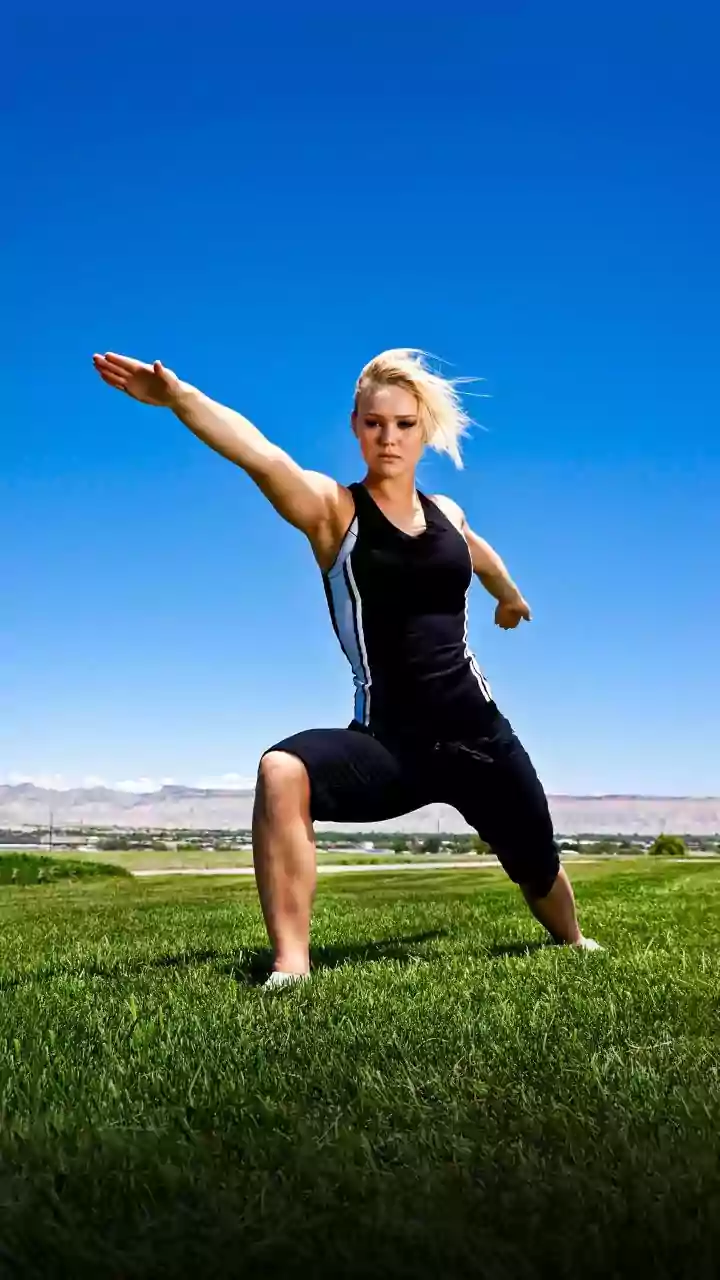
Life is often lived on one leg at a time. Walking, running, and climbing stairs are all a series of single-leg movements. The lunge trains this unilateral strength and stability, improving your balance and coordination. It mimics the motion of stepping up onto a platform or kneeling down to tie your shoe. Because lunges challenge each leg independently, they are excellent for identifying and correcting strength imbalances between your left and right sides. Simple Forward Lunges and Reverse Lunges are perfect starting points. Focus on controlled movement, keeping your torso upright and stable.
The Rotation: Build a Resilient Core
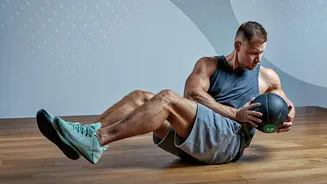
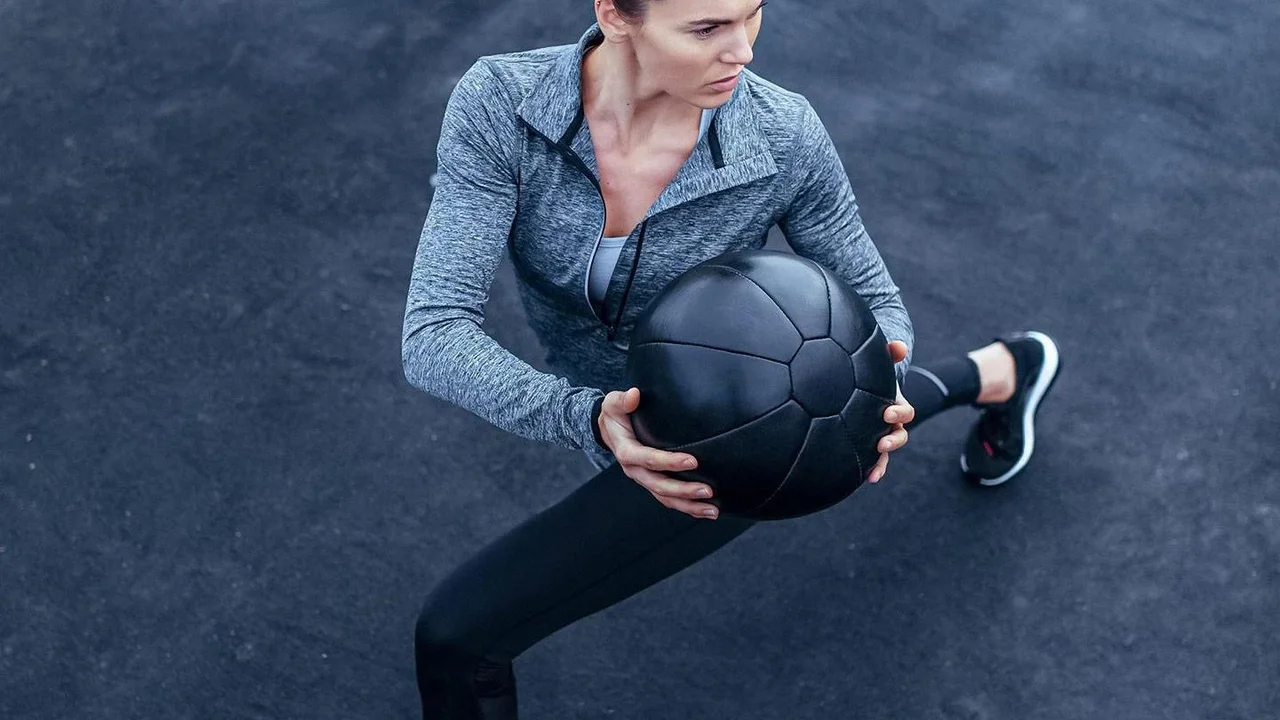
Rotation, or twisting, is a key source of power and an essential component of a strong, functional core. Think about reaching into the back seat of your car or swinging a tennis racket; these actions rely on rotational strength. Training this movement helps protect your spine from injury during twisting motions and improves your performance in countless athletic activities. Exercises like Russian Twists (sitting on the floor and twisting your torso from side to side) and Cable Wood Chops effectively train the core's ability to generate and resist rotational forces, building a truly stable midsection.
The Carry: Improve Real-World Endurance
One of the most practical tests of strength is carrying a heavy object over a distance. Whether it’s bringing in all the grocery bags in one trip or hauling a suitcase through an airport, the ability to carry a load is pure functional fitness. This movement trains your grip strength, core stability, and posture under load. The Farmer's Walk is the simplest and most effective way to train this pattern. Simply pick up a heavy dumbbell or kettlebell in each hand and walk, focusing on keeping your shoulders back and your core tight. This simple exercise builds the kind of rugged, all-body strength that is immensely useful outside the gym.