


Understanding the Spectacle
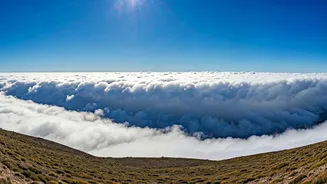
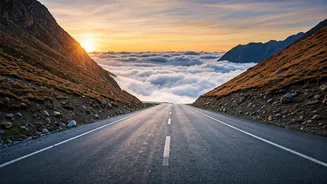
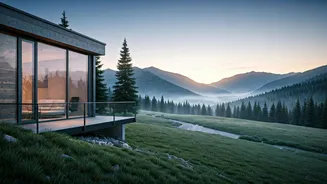
What are these “live valley cloud reels”? The term beautifully describes a natural event, often a cloud inversion, where a dense layer of clouds settles in a valley, appearing like a vast, white ocean when viewed from a higher elevation. This typically
occurs during the monsoon season (July to September) and post-monsoon months (October and November) when moisture is high and temperatures at lower altitudes are cooler than the air above them. The clouds move and swirl with the wind, creating a breathtaking, dynamic spectacle that draws thousands of tourists to the mountains of Himachal Pradesh and Uttarakhand.
The Real Risks of the Road
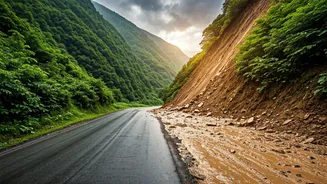
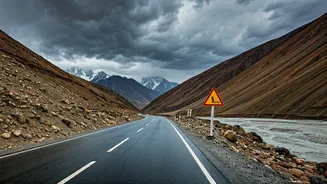
The same weather that creates these clouds also makes the journey perilous. Northern highways, especially routes like NH5 (Chandigarh to Shimla) and the roads branching towards Manali, Mussoorie, and Nainital, are prone to significant risks during these seasons. Heavy monsoon rains saturate the soil, leading to frequent landslides that can block roads for hours or even days. Dense fog can reduce visibility to near zero, making hairpin bends and steep drop-offs incredibly dangerous. The roads themselves can become slick with rain or, later in the season, black ice. Many tourists, captivated by the view, make the hazardous decision to pull over at unsafe, narrow stretches of road, creating traffic bottlenecks and increasing the risk of accidents.
Choosing Safer Viewing Locations
The key to a safe trip is choosing your destination wisely. Instead of stopping randomly on a highway, plan your trip around established and safe viewpoints. Many popular hill stations have dedicated spots designed for this purpose.
* **Kasauli, Himachal Pradesh:** Places like Monkey Point or Sunset Point offer panoramic views and are accessible via well-maintained roads within the cantonment town.
* **Mussoorie, Uttarakhand:** Lal Tibba and Cloud's End provide stunning vistas of the Doon Valley often filled with clouds. These are established tourist spots with safer infrastructure.
* **Nainital, Uttarakhand:** Viewpoints like Tiffin Top and Snow View Point require a short trek or a cable car ride, completely removing the risk of highway-side viewing.
Booking a hotel or homestay with a valley-view balcony is another excellent way to enjoy the spectacle without taking any road risks.
Timing Your Trip for Safety
While the monsoon offers the most dramatic cloud displays, it is also the most dangerous time to travel. The post-monsoon period, from late September to early November, often provides the perfect balance. The rains have subsided, reducing the immediate risk of landslides, but the valleys still hold enough moisture for cloud inversions to form, especially during early mornings. The roads are generally drier and visibility is better. Always check the long-range weather forecast from the Indian Meteorological Department (IMD) and local traffic police advisories before you start your journey. Avoid travelling during active weather warnings.
Your Essential Mountain Driving Checklist
Preparation is non-negotiable. Before you even leave, ensure your vehicle is in peak condition. Check your tyres for adequate tread, test your brakes, and make sure your fog lights and horn are working perfectly. If you are not an experienced mountain driver, consider hiring a local taxi. Local drivers have invaluable knowledge of the road conditions and know how to navigate the terrain safely. Pack an emergency kit containing a first-aid box, extra water, non-perishable snacks, a powerful torch, and a power bank. Mobile connectivity can be patchy, so download offline maps of your route in advance.
On-the-Road Best Practices
Once you're on the mountain highway, a different set of rules applies. Never drive at night if you can avoid it. Always adhere to the golden rule of hill driving: honk liberally on blind corners. Maintain a safe distance from the vehicle in front of you, as sudden braking can be difficult on steep gradients. Do not play loud music that might drown out the sound of other vehicles' horns or warning sounds. Most importantly, resist the temptation to stop at a precarious spot for a photo. Drive on until you find a designated lay-by or a safe, wide shoulder to pull over completely off the main roadway.