



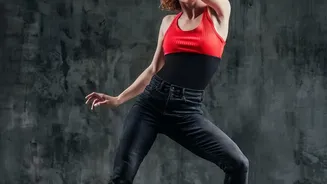
In the vibrant world of fitness, Zumba and Barre stand out as two popular, yet profoundly different, workouts. One is a high-energy dance party; the other is a study in controlled precision. Your best fit might come down to one key thing: music.
The Vibe: Global Party vs. Focused Studio
Step into
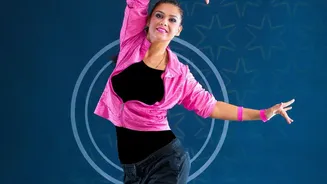
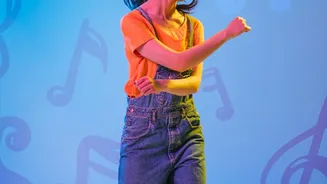
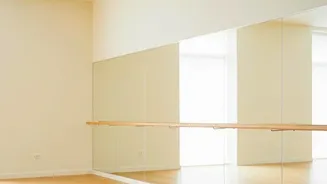
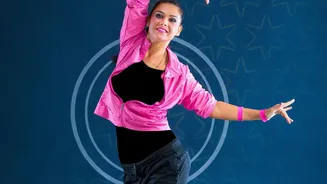
a Zumba class, and you're stepping into a party. The atmosphere is energetic, social, and unabashedly fun. It's often called 'exercise in disguise' because the focus is on moving to infectious global rhythms—from salsa and merengue to hip-hop and Bollywood—and simply enjoying yourself. The goal is to let loose, sweat, and smile. In contrast, a Barre class offers a more focused and composed environment. Inspired by ballet, Pilates, and yoga, the vibe is that of a modern dance studio. While music is present, the atmosphere is less about a party and more about concentration, connecting your mind to your muscles as you perform precise, targeted movements. The energy is high-intensity but low-impact, creating a sense of graceful strength.
The Music: The Main Event vs. The Metronome
In Zumba, music is not just the background; it's the main event. The entire workout is built around the song's structure, which is typically based on a 32-count phrase. Choreography is directly tied to the rhythm, with moves changing for the verse, chorus, and bridge. The playlist is a dynamic mix of Latin and international genres with tempos often ranging from 125 to 155 beats per minute (BPM) to create an interval training effect. You don't just hear the music; you follow it. Conversely, in Barre, music acts more like a sophisticated metronome. It provides a steady beat and tempo for exercises, but the movements themselves are not direct interpretations of the song. The instructor guides you through a series of isometric holds and small, repetitive movements—like pulses and lifts—that are timed to the music's beat. The playlist might feature anything from current pop hits to electronic music, but its primary role is to provide a consistent rhythm to pace the high number of repetitions and maintain focus.
The Movement: Dance Cardio vs. Isometric Burn
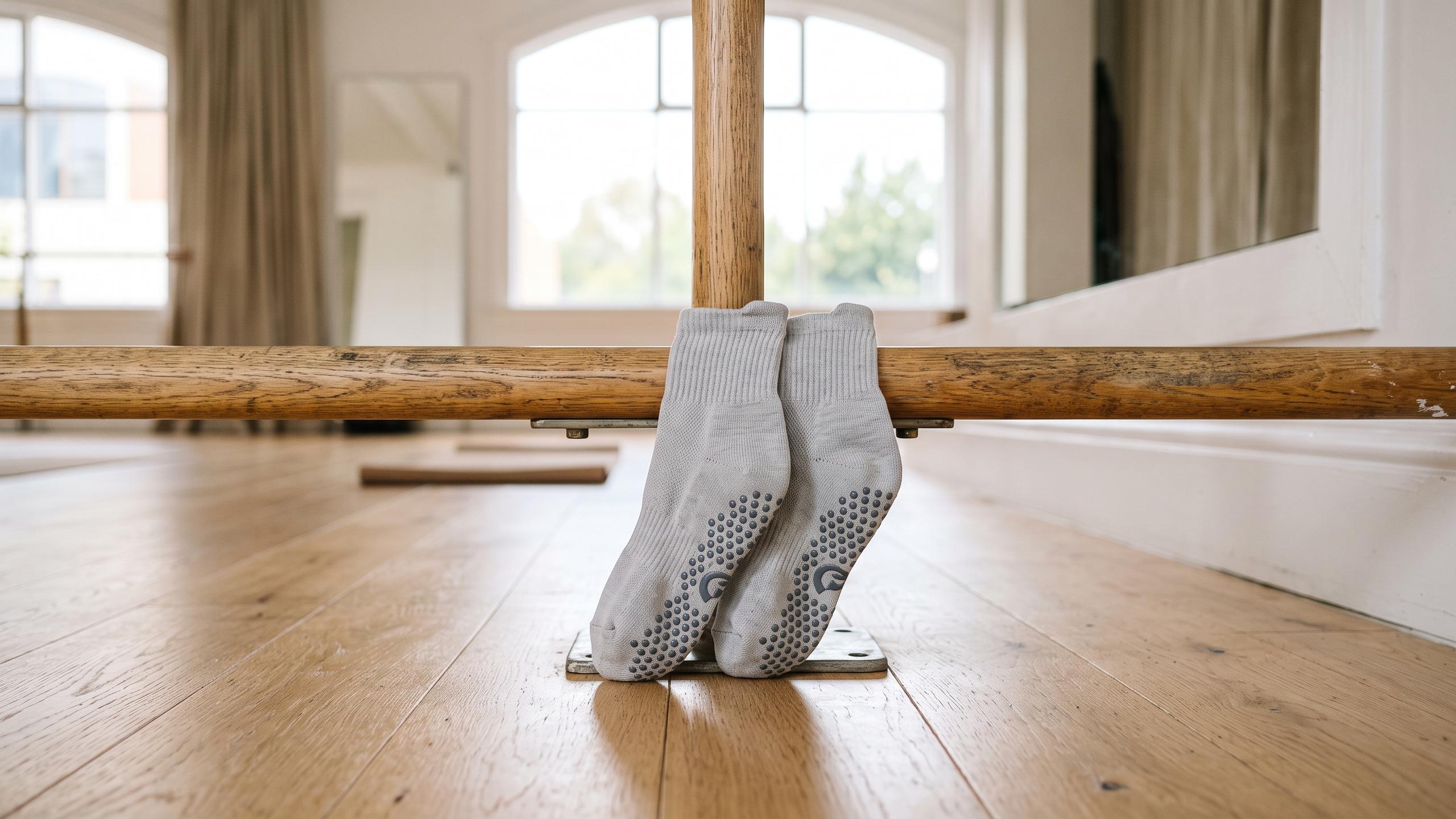
Zumba is a full-body cardio workout. The movements are large, rhythmic, and designed to get your heart rate up. You’ll perform easy-to-follow dance steps like grapevines, step-touches, and hip sways, combined into routines that feel more like dancing than exercising. It improves cardiovascular health, coordination, and burns a significant number of calories. Barre, on the other hand, focuses on muscular endurance and strength through small, controlled actions. Using a stationary barre (or chair) for balance, you'll perform high-repetition sets of tiny movements, like lifting your leg just an inch, that target specific muscles in your glutes, thighs, and core until they fatigue and shake. This isometric work is excellent for toning muscles without high impact on the joints, improving posture, and increasing flexibility.
So, Which Is Right for You?
Choosing between Zumba and Barre depends entirely on your fitness personality and goals. If the idea of a workout that feels like a dance party energizes you, and your main goal is cardiovascular fitness and weight loss in a fun, social setting, Zumba is likely your perfect match. You'll thrive if you love losing yourself in the music and don't mind a lesserstructurededed environment? If you are someone who enjoys precision, control, and feeling a deep muscle burn, Barre might be the better option. It's ideal if your goals are to build lean muscle, improve posture, and increase flexibility with a low impact workout. You'll appreciate how the steady beat of the music helps you focus and push through challenging targeted exercises.