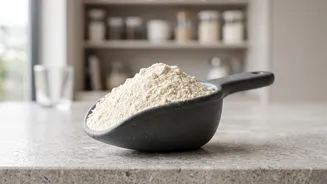





Myth: Protein Powder Will Make Me Bulky
This is one of the most persistent myths, especially among women. The truth is, protein powder alone will not make you bulky. Gaining significant muscle mass, or 'bulking', requires a combination of intense, specific weight training and consuming more
calories than your body burns. For women, it's physiologically much more difficult to build large muscles due to lower levels of testosterone. Simply adding a protein shake to a balanced diet will support muscle repair and recovery after exercise, not automatically lead to a bodybuilder's physique.
Myth: All Protein Powders Are Created Equal
The source of protein matters significantly. The most common types include whey and casein (derived from milk), and plant-based options like soy, pea, and rice protein. Whey is fast-digesting, making it popular for post-workout recovery, while casein digests slowly, providing a steady release of amino acids. People with lactose intolerance might experience bloating from whey concentrate, but could potentially tolerate whey isolate, which has less lactose, or a plant-based powder. Plant proteins like soy are considered 'complete', containing all nine essential amino acids, while others like pea and rice can be combined to achieve a complete profile.
Myth: The Front of the Tub Tells You Everything
Marketing claims on the front of the package like 'Clean Protein' or 'Natural' are often unregulated and designed to sell the product. The real story is on the back, in the nutrition panel and the ingredient list. This is where you can see the actual protein content per serving, the protein source, and everything else that has been added. The first step to becoming an informed consumer is to ignore the flashy claims on the front and turn the container around.
Reality: How to Actually Read the Label
When you look at the ingredient list, remember that ingredients are listed in descending order by weight. In a quality protein powder, the protein source (like 'Whey Protein Isolate' or 'Pea Protein') should be the very first ingredient. Be cautious if sugars, fillers, or gums appear high on the list. A shorter ingredient list with names you can recognise is generally a better sign. Also, compare products by looking at the 'protein per 100g' value, not just 'protein per serving', as serving sizes can vary widely between brands to make their numbers look better.
Red Flag: Proprietary Blends
If you see terms like 'Protein Matrix' or a 'Proprietary Blend' without a breakdown of how much of each ingredient is included, be wary. Companies often use this tactic to hide the fact that they are using a larger amount of a cheaper, lower-quality protein and only a small amount of a more expensive, desirable one. For example, a blend might list both whey concentrate and the more pure whey isolate, but be 95% of the cheaper concentrate. This lack of transparency makes it impossible for you to know what you're actually paying for.
Red Flag: Fillers and Artificial Additives
Some companies add fillers like maltodextrin, inulin, or various gums to bulk up the powder and reduce costs, which can dilute the actual protein content. These ingredients offer little nutritional value and can sometimes cause digestive issues like bloating and gas. Also, look out for artificial sweeteners like sucralose and acesulfame potassium (Ace-K), as well as artificial colours and flavours. Recent guidelines from the Indian Council of Medical Research (ICMR) have specifically warned that these additives can detract from the health benefits of protein supplements.
Green Flag: Third-Party Testing
Given that the supplement market in India can be poorly regulated, a crucial sign of quality is third-party certification. Look for logos from independent testing organisations on the label. These certifications verify that the product actually contains what the label claims, is free from harmful contaminants like heavy metals, and does not contain banned substances. A verifiable FSSAI licence number is also a mandatory minimum for any legal supplement sold in India.