







The Trouble with the Grand Escape
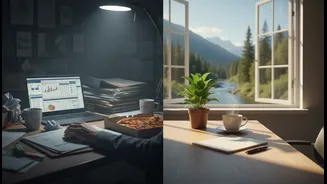
For decades, the rhythm of work was built around a long annual vacation—a complete escape to recharge. Yet, many professionals find this model is breaking down. In our 'always-on' work culture, fully disconnecting is a challenge. Research has shown that
a significant number of people work while on vacation, with many feeling anxious if they don't check work messages. This inability to detach means the restorative benefits of a long break can be short-lived. Some studies have even highlighted the phenomenon of 'post-vacation burnout', where employees return to an overwhelming backlog of work, causing stress levels to spike higher than before they left. The grand escape, once a reliable remedy for fatigue, often feels like a temporary fix that gets undone within days of returning to the office.
The Rise of the Micro-Cation
Enter the concept of the 'micro-cation' or 'mini-break'. Instead of banking all paid time off for one major trip, a growing number of workers are opting for several shorter breaks spread throughout the year. These can be three or four-day weekends, a random Tuesday off for personal errands, or a mid-week mental health day. The logic is simple: shorter breaks are easier to plan, more affordable, and less disruptive to both personal and professional life. They provide regular, predictable opportunities to step away from work before stress accumulates to a critical level. This trend is a direct response to modern work pressures, offering a more sustainable way to manage energy and avoid the cycle of intense work followed by exhaustion.
The Science of a Quick Reset
The benefits of this approach are backed by science. Research indicates that frequent, short breaks can be highly effective at reducing stress and preventing fatigue. Even very brief 'micro-breaks' of a few minutes during the workday have been shown to improve focus and boost energy. When applied to leave, the principle holds: regular opportunities for recovery can be more beneficial for maintaining well-being and performance than waiting months for a single long vacation. These resets interrupt the accumulation of daily stress, helping to reset mental and physical systems to their baseline. A meta-analysis of multiple studies found that short breaks have a significant positive effect on reducing fatigue and increasing vigour, though their impact on performance can depend on the nature of the task.
Company Culture Is Crucial
This shift isn't just about individual choices; it requires a corresponding evolution in company culture. For employees to feel comfortable taking shorter, more frequent breaks, employers must actively encourage and support it. This goes beyond just having a flexible PTO policy on paper. Leaders need to model healthy behaviour by taking their own time off and truly disconnecting. Companies that foster a culture of trust and prioritise well-being—offering benefits like mental health support, flexible schedules, and clear guidelines on disconnecting after hours—are better positioned to retain talent. Without this top-down support, employees may fear being seen as less committed, leading them to leave vacation days unused, a persistent problem in many workplaces.
Is It a Perfect Solution?
Despite the clear benefits, a strategy of frequent short breaks isn't a universal solution. For some people, a longer vacation is essential for truly unwinding, pursuing travel that requires more time, or reconnecting with faraway family. The process of detaching from work can take several days, and a three-day weekend may not be enough to achieve a deep state of relaxation. Furthermore, the effectiveness of any break, long or short, depends heavily on the ability to psychologically detach from work. If a four-day weekend is spent constantly checking email, it provides little restorative value. The ideal future may not be a wholesale replacement of long vacations, but a more hybrid and flexible approach where employees have the autonomy to choose the leave structure that best suits their personal needs and work-life demands.