

More Than Just a Walk
At first glance, Nordic Walking looks like walking with a pair of ski poles. However, it's a specific fitness technique that originated in Finland as a way for cross-country skiers to train in the summer. Unlike regular walking which primarily uses muscles
below the waist, Nordic Walking incorporates specially designed poles to engage the upper body, turning a simple stroll into a comprehensive, full-body workout. This technique engages up to 90% of the body's muscles, compared to about 50% with regular walking, leading to significantly greater health benefits.
The Whole-Body Advantage
The benefits of engaging your upper body are substantial. Studies show that Nordic Walking can burn up to 46% more calories than walking without poles. Some estimates suggest the increase could be even higher. This elevated calorie burn is ideal for weight management. Furthermore, it helps improve posture by encouraging a more upright stance, strengthens the core, and builds muscle in the arms, shoulders, and back. The poles also provide stability and reduce the strain on lower-body joints like knees and hips, making it an excellent choice for older adults or those with joint issues.
The Gradual Training Philosophy
The most significant shift in Nordic Walking is its emphasis on gradual, progressive training. This isn't about pushing to exhaustion from day one. Instead, the focus is on consistency and slowly increasing duration and intensity over time. This approach makes it incredibly accessible for beginners, individuals returning to exercise after a break, or those managing chronic conditions. A key recommendation for newcomers is to start by using the poles for just a portion of their walk, perhaps 25% of the time, and gradually increase usage as they become comfortable with the rhythm and technique. This philosophy transforms exercise from a daunting task into a manageable and enjoyable habit, promoting long-term adherence and health.
Mastering the Basic Technique
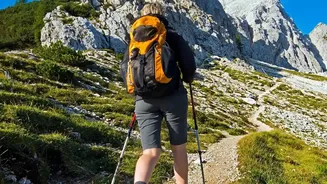
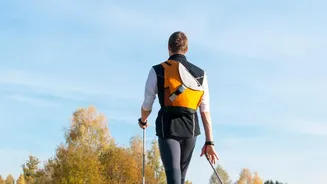
The core of Nordic Walking is the coordination of arms and legs. The movement is natural and mimics regular walking: as your right leg steps forward, your left arm swings forward with the pole. The key is to plant the pole at an angle behind you and push off, propelling yourself forward. Your hand should hold the grip as you swing forward and then open slightly as the arm extends backward, pushing through the strap. The movement should feel fluid and come from the whole body, not just the arms. Maintaining a relaxed, upright posture with your gaze forward is crucial for an efficient technique.
Your First Month: A Sample Plan
Adopting a gradual approach is key. A beginner's plan could look something like this. In Week 1, focus on mastering the technique during three 20-minute walks. For Week 2, increase the duration to 25-30 minutes, three or four times a week, applying gentle pressure on the poles. By Week 3, aim for four 30-minute sessions, concentrating on a stronger push-off from the poles. In Week 4, you could progress to 30-40 minute walks, four or five times a week, perhaps incorporating a small hill or varying your pace. The goal is steady progress, not immediate perfection.
Gearing Up: What You Really Need
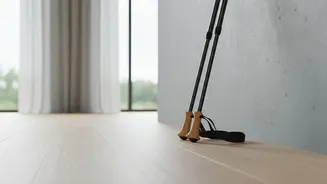
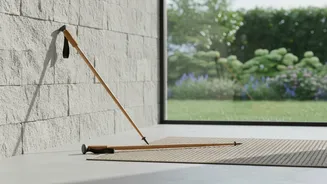
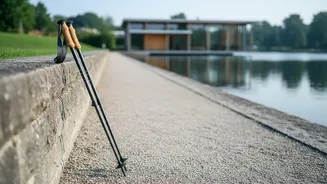
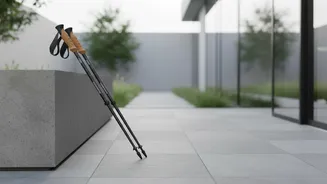
The essential equipment for Nordic Walking is a pair of proper poles. These are different from trekking poles, which are designed for stability on uneven terrain. Nordic Walking poles have a special glove-like strap system that allows you to perform the push-and-release technique correctly. For footwear, comfortable trainers or walking shoes with good support are perfectly suitable; specialist shoes aren't necessary at the beginning. Wear comfortable, breathable clothing that allows for a full range of motion in your arms and shoulders.