





Tackle Your Tyres First
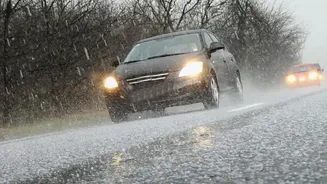
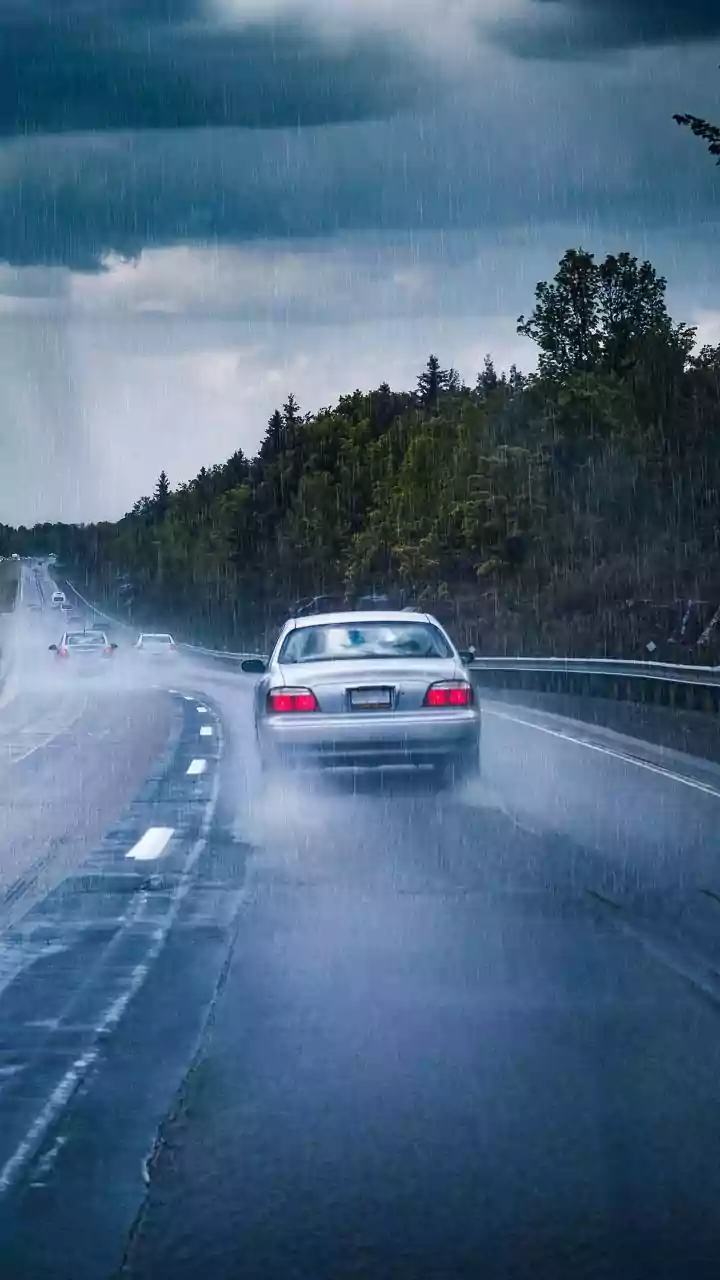
Your tyres are the only part of your car in contact with the road, and their performance is critical on wet surfaces. The primary danger during the monsoon is aquaplaning, where a layer of water builds between the tyre and the road, causing a total loss
of control. To prevent this, your tyres need deep enough grooves to channel water away effectively. For monsoon safety, a tread depth of at least 3mm is recommended. Worn tyres with shallow tread cannot clear water fast enough, dramatically increasing your braking distance and risk of skidding. Also, check the tyre pressure, including the spare. Incorrect pressure affects grip and handling, making your car less stable on slick roads.
Prioritise Brakes and Visibility
Heavy rain drastically reduces visibility and can compromise your braking system. When brake pads and discs get wet, the water acts as a lubricant, reducing friction and increasing the distance it takes to stop. If your brakes feel spongy or make squealing noises, get them inspected immediately. After driving through a waterlogged area, it's a good practice to gently tap your brakes a few times to help dry them out. Equally important are your windscreen wipers. The summer heat often degrades the rubber, causing them to streak or skip across the glass instead of clearing it. Replace them if they aren't providing a perfectly clear view. Don't forget to top up your windshield washer fluid with a proper solution that can cut through road grime.
Inspect Lights and Electricals
In a downpour, being able to see and be seen is a matter of safety. Walk around your car and check all your lights: headlights (both low and high beam), tail lamps, brake lights, and indicators. Foggy or yellowed headlight lenses can reduce light output significantly and should be cleaned or restored. The monsoon's high humidity is also tough on your car’s electrical systems. Moisture can seep into wiring or the fuse box, leading to short circuits or component failure. An older battery is more likely to fail in damp conditions, as humidity can accelerate corrosion on the terminals and drain power. Ensure the battery is securely fastened and the terminals are clean and tight.
Check the AC and Defogger
Your car's air conditioning system does more than just keep you cool; it's a crucial safety feature during the monsoon. High humidity causes the inside of your windshield and windows to fog up rapidly, severely obstructing your view. The most effective way to clear this is by running the AC, which removes moisture from the cabin air. Before you set off on a long drive, test your AC and defogger functions to ensure they are working properly. Make sure the system can direct a strong flow of dry air onto the windshield. A malfunctioning AC can force you to constantly wipe the glass by hand, which is a dangerous distraction while driving.
Prevent Leaks and Rust
Small leaks can turn into big problems during the monsoon. Inspect the rubber seals around your doors, windows, and sunroof. If they are cracked or hardened, they may not be able to keep heavy rain out, leading to a damp interior, musty smells, and potential damage to electronics. While checking the seals, also take a look at your car’s underbody. Driving through waterlogged streets and muddy patches can trap moisture and debris against the metal, accelerating rust and corrosion, especially on the chassis and exhaust system. A pre-monsoon underbody anti-rust coating can provide an effective shield against long-term damage.
Assemble a Monsoon Emergency Kit
Even with the best preparation, things can still go wrong. Being ready for a breakdown is the final piece of the puzzle. A well-stocked emergency kit can be a lifesaver if you get stranded in a remote area during a downpour. Your kit should include essentials like a tow rope, a powerful flashlight, a first-aid kit, and a reflective warning triangle to alert other drivers. Also consider packing a tyre inflator, a basic puncture repair kit, and jumper cables. Since you might be waiting in the rain, an umbrella, a waterproof jacket, and a phone charger or power bank are also invaluable additions.