


The New Voice of India Is Not from a Metro
For years, the Indian creator economy revolved around a predictable handful of metropolitan hubs. But a seismic shift is underway. Today, nearly two out of every three creators in India come from non-metro cities. This explosion of talent from Tier-II
and Tier-III cities is redefining what it means to be an influencer, moving the focus from broad reach to deep, authentic connection. At the heart of this movement is a new generation of podcasters who have realized their biggest asset is their relatability. They speak the local dialect, understand the cultural nuances, and discuss topics that resonate with the everyday lives of their listeners—something a Mumbai-based creator might miss. This isn't just a trend; it's the geographic and cultural redistribution of influence.
Indore’s Audio Scene: From Poha-Jalebi to Startup Dreams
In Indore, a city known for its vibrant street food culture and educational hubs, young podcasters are creating content that is unapologetically local. You'll find podcasts discussing everything from the nuances of student life in the city to reviews of the latest local cafes. Creators are building communities around shared experiences that are unique to Indore. Shows like 'The Xtrim Podcast' are recording and sharing inspiring stories and honest conversations in a mix of Hindi and English, directly from the city. They tap into the city’s aspirational energy, talking to local entrepreneurs, artists, and professionals, creating content that feels both personal and motivational. The intimacy of audio allows these creators to build a level of trust that video often cannot replicate, turning listeners into a loyal community.
Patna’s Podcasting Pulse: Identity, Ambition, and Conversation
Similarly, in Patna, audio creators are capturing the unique spirit of Bihar. Podcasts are emerging that tackle topics central to the lives of young Biharis, from navigating the pressures of competitive government exams to celebrating regional identity and culture. Platforms see a growing list of shows like 'The Bihar Podcast' and 'Bihar Halt', alongside content focused on local current affairs and storytelling. These creators are providing a platform for conversations that were previously happening only in private. They offer a sense of shared identity and validation, discussing the complexities of migrating for work, the stereotypes faced by Biharis, and the burgeoning sense of pride in their roots. For many listeners, these podcasts are the first time they are hearing their own specific life experiences reflected in popular media.
Why Audio, Why Now, Why Here?
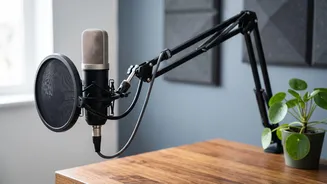
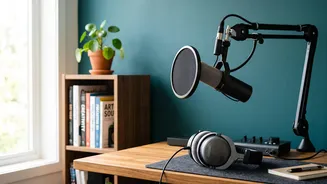
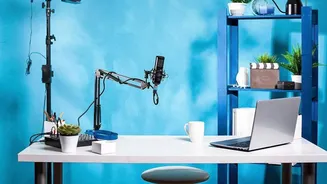
Several factors are fueling this hyper-local podcasting boom. The widespread availability of affordable smartphones and cheap data has democratized both content creation and consumption. Podcasting has a significantly lower barrier to entry than video production; a decent microphone and a quiet room are all that's needed to start. This accessibility has empowered creators in smaller cities to share their voice without needing a production budget. Furthermore, Gen Z audiences are increasingly seeking authenticity and connection. They trust nano and micro-influencers from their own communities more than distant celebrities. The non-metro creator consistently records higher engagement rates than their metro counterparts, proving that a smaller, more invested audience is often more valuable.
The Challenge of Turning Passion into a Paycheque
Despite the rapid audience growth, monetization remains the biggest hurdle for these regional creators. While brand-sponsored host-read ads are becoming more common, many earning opportunities are still concentrated among top-tier influencers. A recent report highlighted that while hundreds of thousands of non-metro creators now participate in brand campaigns, most only secure a single paid project annually. To build sustainable careers, these podcasters are getting creative. They are exploring diverse revenue streams, including local brand partnerships, affiliate marketing for relevant products, and direct listener support through platforms that allow for subscriptions or one-time payments. Live, ticketed events are also emerging as a viable model, allowing creators to connect with their community offline and generate significant revenue.