





The Challenge of the Carbon-Copy Menu
Traditionally, the blueprint for a successful restaurant chain was simple: create a winning formula and replicate it. This model, prized for its efficiency and predictable customer experience, meant that a dish in one city would taste identical to its counterpart
a thousand kilometres away. While this approach builds brand recognition, it has a significant downside. It often ignores the vast, vibrant pantry of India's diverse regions. The unique produce of the Nilgiris, the foraged greens from Maharashtra's marshes, or the specific chilli varieties of the Northeast were overlooked in favour of ingredients that could be reliably sourced and transported nationwide. This homogenisation not only limited the creativity of chefs but also disconnected diners from the agricultural heritage of their own locales, creating a uniform taste that flattened India's rich culinary map.
A New Philosophy: Hyperlocal at Heart
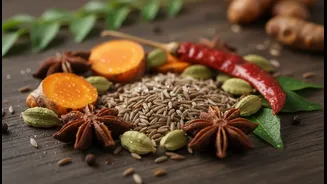
A new generation of chefs is championing a different approach, one that celebrates regional identity. This isn't just about swapping one vegetable for another; it's a fundamental shift in philosophy. The movement is rooted in the idea that a menu can have a consistent soul while its expression changes based on location. This 'locavore' mindset means actively seeking out what is fresh, seasonal, and unique to a specific area. Chefs are travelling to remote villages, collaborating with small-scale farmers, and rediscovering forgotten grains and indigenous produce. This philosophy treats each new restaurant outpost not as a franchise to be duplicated, but as an opportunity to engage with a new ecosystem of ingredients and traditions, creating dishes that are both nationally recognisable and fiercely local.
Pioneers of the Plate
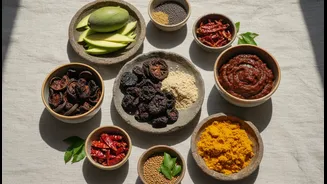
Restaurants like The Bombay Canteen in Mumbai became trailblazers for this movement. Their philosophy was built on celebrating India by sourcing fresh, local, and seasonal ingredients. This involved a deep commitment, from chefs personally visiting markets to building dedicated supply chains for everything from native Indian sea purslane foraged from marshes to unique regional vegetables. This approach has inspired many others. Across the country, chefs are now placing indigenous ingredients at the centre of modern menus. At Masque in Mumbai, for instance, hyperlocal produce like prickly pear is transformed into sophisticated sorbets. In Goa, Hosa reinterprets South Indian cuisine using local ingredients to create daring dishes like a Jaffna chicken with raw mango chutney. These establishments prove that a restaurant's core identity can be a framework for creativity, not a rigid set of rules.
More Than Just Ingredients
This trend goes beyond simply sourcing local produce; it also involves embracing regional techniques. Chefs are reviving ancient practices like smoking, fermenting, and sun-drying that have been passed down through generations in home kitchens. This might mean using nixtamalized corn for a masala papad or hay-smoking mackerel, a technique native to Goa. This deep dive into culinary heritage allows for a more authentic and nuanced dining experience. By learning from and collaborating with indigenous communities and home cooks, restaurants are not just borrowing flavours, they are helping to preserve and document dying recipes and cooking wisdom. This exchange creates a richer, more textured menu that tells a story of place, history, and community.
The Ripple Effect on Culture and Community
The impact of this movement extends far beyond the restaurant table. By creating demand for hyperlocal produce, chefs are providing crucial support to small-scale farmers and preserving agricultural biodiversity that is threatened by monoculture. This focus on local sourcing strengthens rural economies and can even lead to the upskilling of local community members, as seen with restaurants that train and employ women from nearby villages. For diners, it offers a more exciting and meaningful connection to their food. It moves beyond the predictable and introduces them to the true diversity of Indian cuisine, one plate at a time. This culinary shift is redefining what it means to be an 'Indian' restaurant, replacing a single narrative with a multitude of rich, regional stories.