






First, Find the Source
Before any drying can begin, you must play detective. A damp wall is a symptom, not the disease itself. Simply drying it without fixing the underlying issue is a temporary fix at best. The three most common culprits in Indian homes are condensation, penetrating
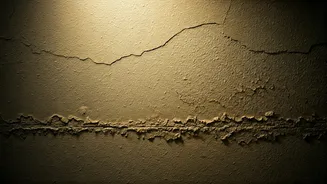
damp, and rising damp. Condensation occurs when warm, humid air from activities like cooking and showering hits a cooler wall, and is common in poorly ventilated kitchens and bathrooms. Penetrating damp happens when water from outside gets in, often due to cracks in external walls, faulty guttering, or poor waterproofing, a frequent issue during the monsoon season. Rising damp is when groundwater travels up through the porous materials of the wall from the ground up, typically due to a failed or missing damp-proof course. Look for clues: condensation appears as moisture on surfaces, penetrating damp often leaves stains after rain, and rising damp shows a 'tide mark' coming up from the floor.
The Power of Air Circulation
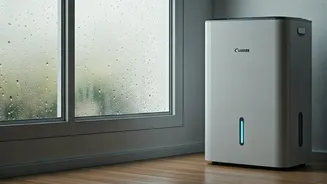
Moisture loves stagnant air. Your most powerful tool against damp, especially condensation, is ventilation. Increasing airflow helps remove moisture-laden air and replace it with drier air, allowing the walls to release their trapped moisture. The easiest method is to open windows and doors regularly to create a cross-breeze. In high-moisture areas like kitchens and bathrooms, using an exhaust fan is crucial; run it during and after showers or cooking to pull humid air outside immediately. Even simple changes, like leaving a small gap between furniture and walls, can improve air circulation and prevent moisture from getting trapped. For persistent issues, a dehumidifier can be an excellent investment, actively pulling water from the air and significantly speeding up the drying process.
Let There Be Light and Warmth
Sunlight is a natural dehumidifier and mould inhibitor. If the damp wall is in a room that gets natural light, make the most of it. Open curtains and blinds wide during the day. The warmth from the sun helps evaporate moisture from the wall's surface, while the UV rays can help stop mould spores from growing. Keeping a room consistently warm also helps. Warm air can hold more moisture than cold air, which helps lift it from the walls before it is removed by ventilation. This doesn't mean you need to blast the heating, but maintaining a low, consistent background temperature prevents cold spots on walls where condensation is most likely to form.
The Underrated Virtue of Patience
Once you have fixed the source of the water and improved ventilation, the waiting game begins. A thoroughly soaked wall will not dry in a day or two. The general rule of thumb used by professionals is that a wall takes about one month to dry for every inch of its thickness. This means a solid brick wall could take anywhere from a few weeks to several months to dry out completely. Rushing the process by applying a sealant or non-breathable paint too early will only trap the remaining moisture inside, leading to bubbling paint, crumbling plaster, and a return of the damp problem. You may see the surface appear dry within weeks, but the core of the wall can hold moisture for much longer. It's essential to let the wall breathe and dry naturally from the inside out.
When to Call the Professionals
While air, light, and patience can solve many minor damp issues, some problems require expert help. You should call a professional if you suspect rising damp, as this may require the injection of a new damp-proof course. If damp patches are large (over a metre wide), reappear despite your efforts, or are accompanied by a persistent musty smell, it could signal a more serious structural issue. Other red flags include crumbling plaster, rotting skirting boards, or any signs of structural decay. A professional can accurately diagnose the root cause, assess for any hidden damage, and recommend the correct, long-term solution to protect your home's structural integrity and your family's health.